
Free in-home measure and quote - PGT, CGI and CWS impact lines compared on your actual openings, style by style
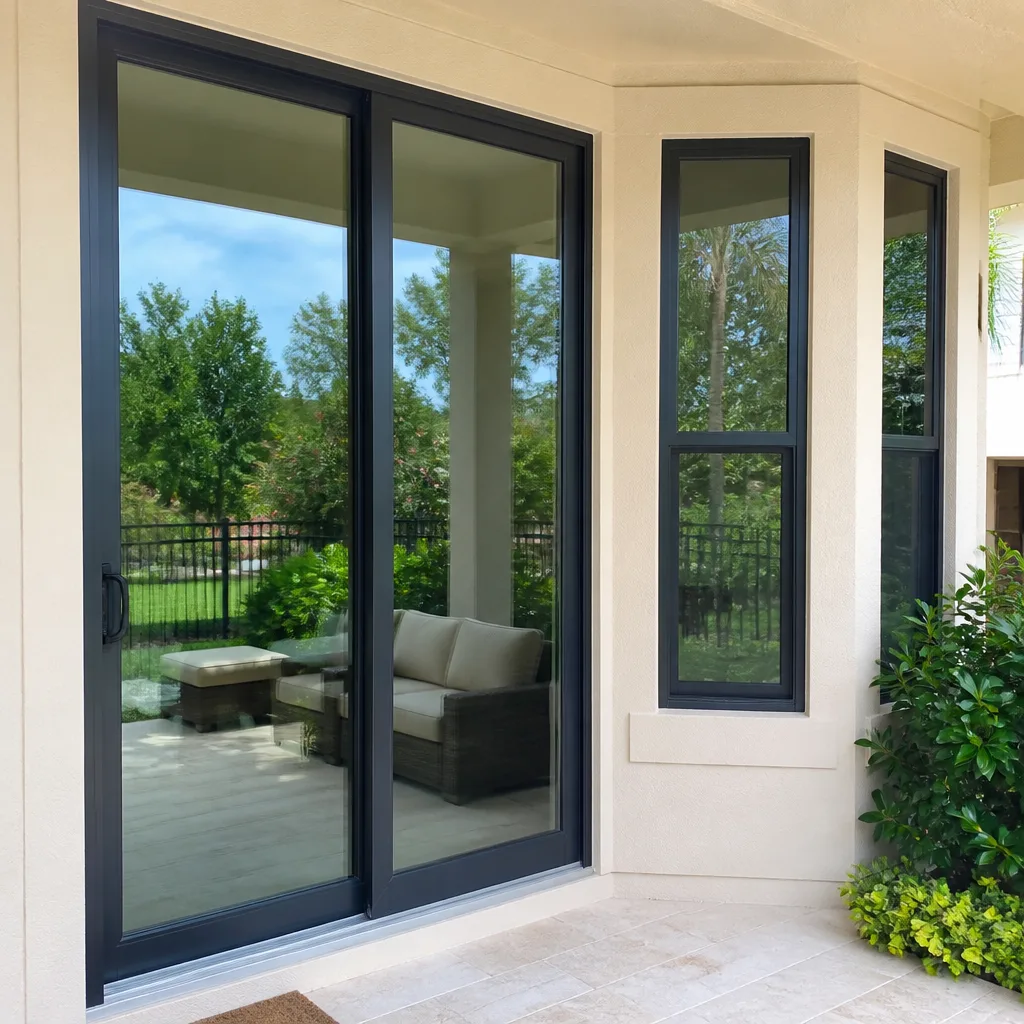
Sliding glass doors
Impact garage doorsPGTCGI
 Before
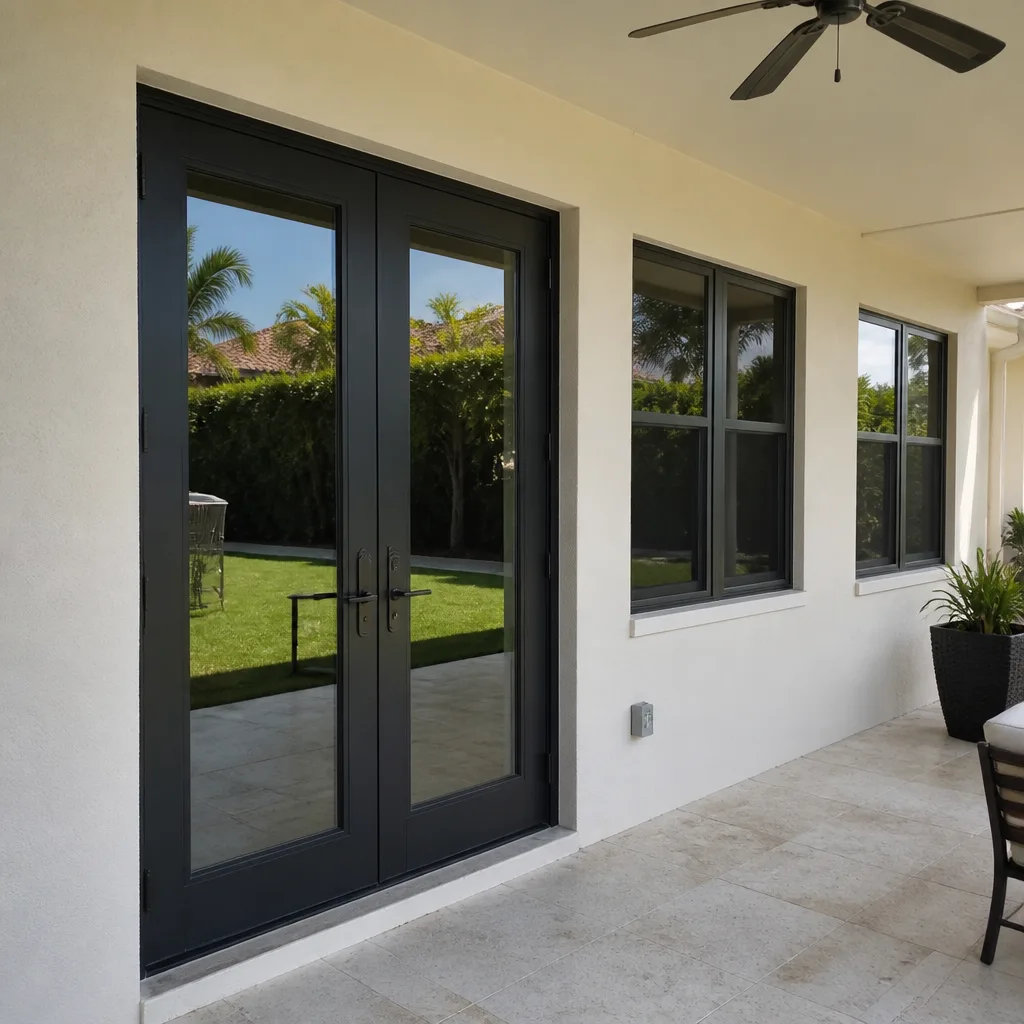 After
After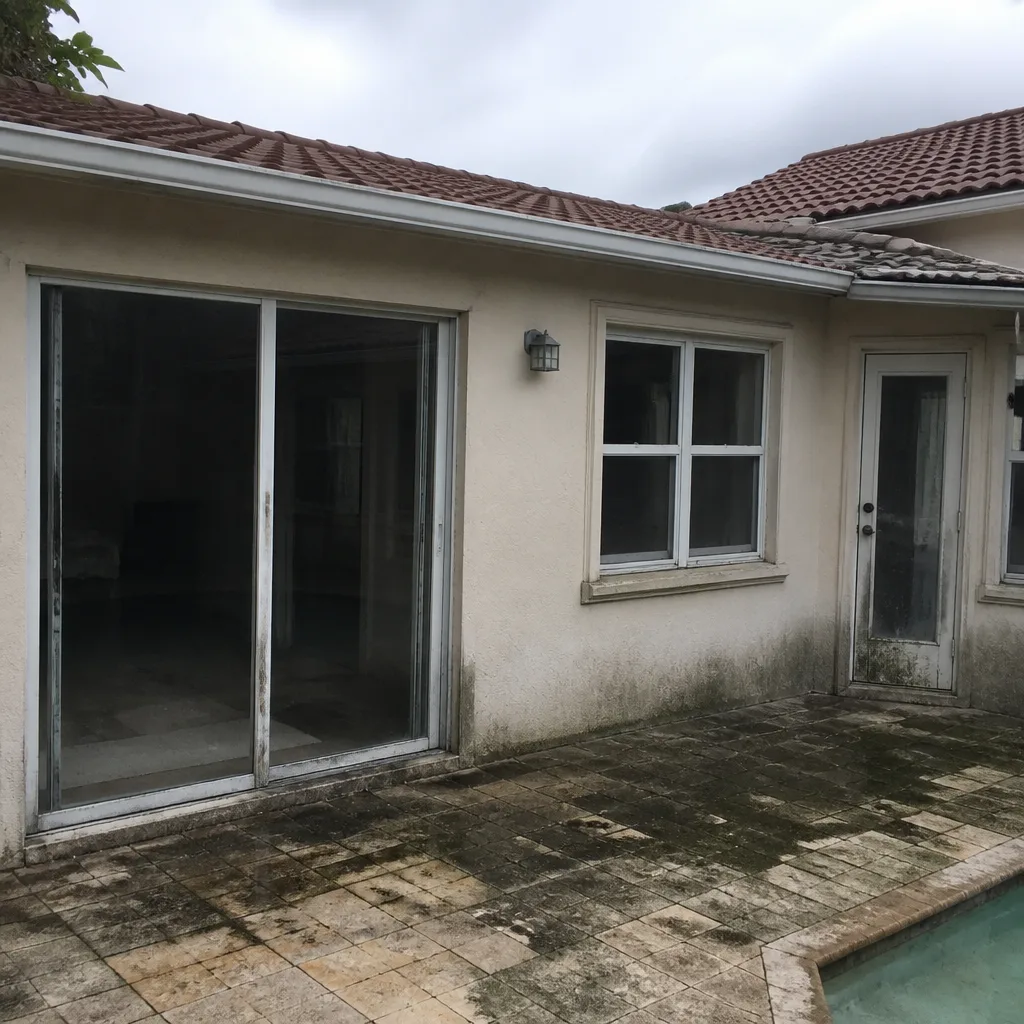 Before
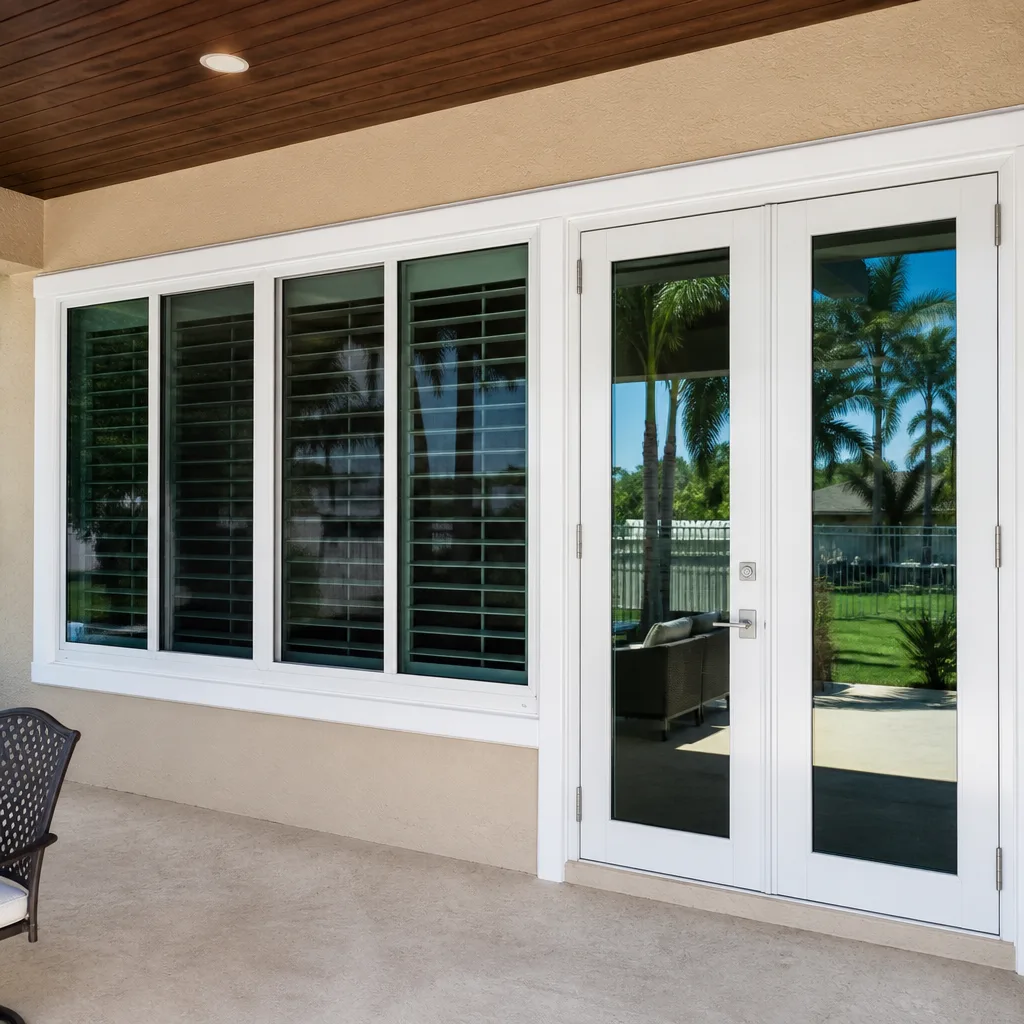 After
After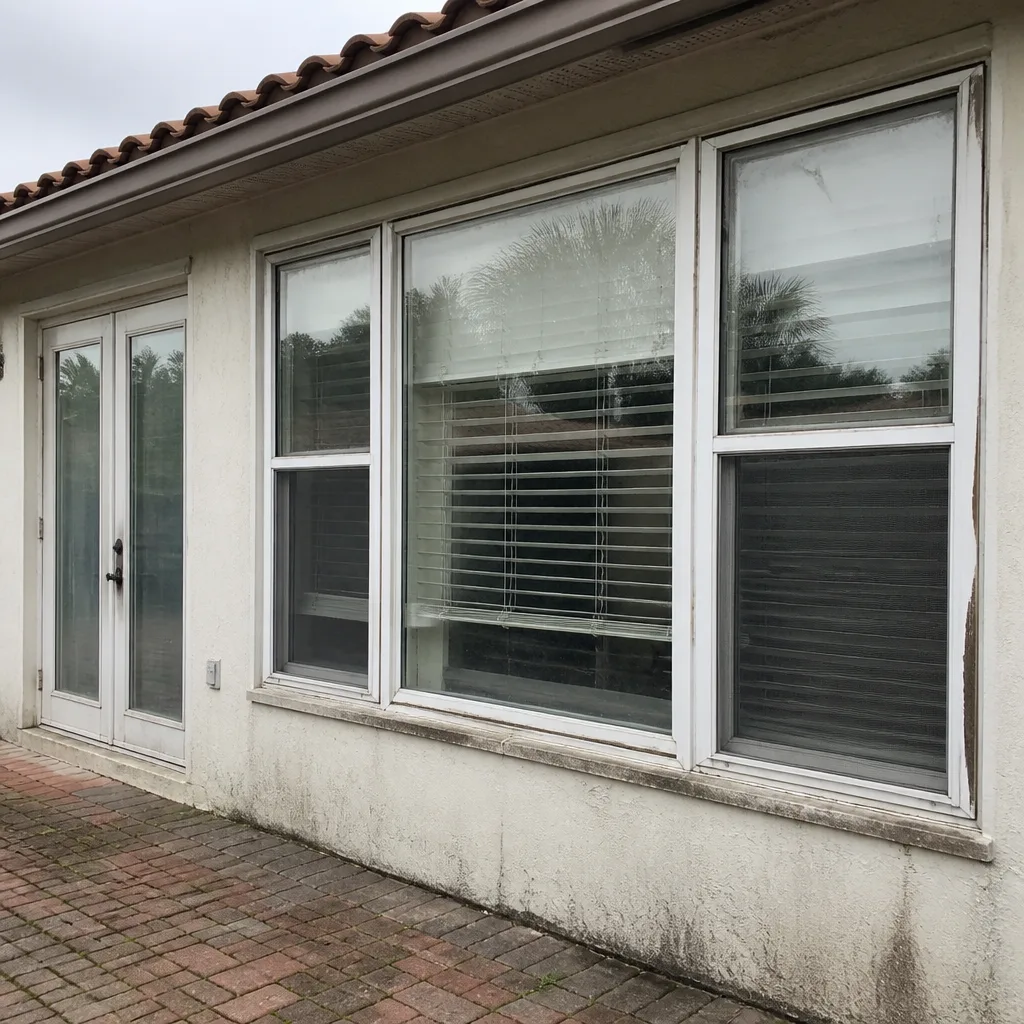 Before
 After
AfterCWS Impact Garage Doors: The Wellington Owner’s Guide
We stock and install CWS-compatible impact garage doors throughout Wellington, with most replacements running between $2,800 and $6,500 installed depending on size, track configuration, and whether you’re replacing just the door or the full assembly. Most homeowners discover a failed CWS door the same way: the door suddenly binds halfway up, hangs visibly out of level, or a storm season inspection turns up a buckled panel and stretched cables. We keep the common CWS wear parts and hardware on the truck, so a single-visit repair is the norm for us here in Wellington, not the exception.
Dale Kessler grew up in Wellington’s Paddock Park neighborhood and has seen what salt air, humidity, and afternoon squalls do to garage doors over the years. That local experience matters when you’re matching a CWS door that has to hold its impact rating year after year.
Which CWS Models This Applies To
CWS impact garage doors fall into a few distinct build families, and the parts do not always swap between them. The CWS 800 series uses a heavier top rail and a specific bottom-astragal profile that differs from the 600 and 700 series. The track hardware is manufacturer-matched: CWS doors are built to take their own spring-and-cable set, and a generic spring from a parts warehouse will throw the balance off and strain the operator.
Look for the model sticker on the inside face of the top section, near the left end, or on the vertical track. If the sticker is gone, measure the panel thickness and the bottom seal profile and we can usually identify the series from that. For CWS doors, we recommend OEM parts unless the manufacturer has discontinued the line. A quality aftermarket equivalent can work for rollers, hinges, and seals, but the springs and cables should stay CWS-matched. We are an independent service provider, not affiliated with CWS, which means we can tell you plainly when an aftermarket part is fine and when it isn’t.
One compatibility gotcha we run into in Wellington: the CWS 800 series and the PGT WinGuard doors look nearly identical to the untrained eye, but the spring rates are different. Installing a PGT-spec spring on a CWS door gets you a door that runs hot and eats the operator. We check the manufacturer plate before we touch the springs.
Signs Your CWS Impact Garage Doors Is Failing
- Door hangs crooked or binds on one side. This is usually a failing spring that has dropped tension on one side, and it means the weight is no longer evenly distributed. Running the door in this condition scores the track and eventually bends a section hinge.
- Loud bang from inside the garage, then the door feels dead-heavy. A spring has let go. This is a dangerous failure because the door now weighs its full 150 to 200 pounds with nothing holding it balanced.
- Visible gaps at the bottom corners when closed. The bottom astragal has torn or the panel has bowed, which breaks the impact seal and lets water and wind-driven debris in during a Wellington storm.
- Rollers sound like they’re chewing gravel. The bearing races are worn or the rollers have rusted from years of humidity. If left, the rollers eat the track and you’re replacing the entire hardware set instead of a $15 roller.
- Cables are fraying or showing rust streaks. Galvanized cable doesn’t last forever in Florida garages, especially near the coast. A frayed cable under a loaded spring is the failure we respect the most on CWS doors.
Replacement Cost & What’s Included
In Wellington, a full CWS impact door replacement typically lands between $2,800 and $6,500 installed. The spread comes down to door width and height, the condition of the existing track and hardware, and whether the operator can be reused. A single-spring replacement on a CWS door runs $180 to $340, a cable set $160 to $280, and a full roller-and-hinge refresh $220 to $400 including parts and labor.
Every quote we write is a line-item price before work starts, and the number on the quote is the number on the bill. The Done Right Promise covers the workmanship, and we register both warranty layers in writing before we leave the driveway, so there’s no surprise when it comes time to make a claim.
DIY or Call Us?
For CWS impact doors, the honest line is this: springs, cables, and anything under tension are not a DIY job. A CWS door spring carries enough stored energy to break bone or worse if it lets go while you’re working on it. We don’t give step-by-step for that, and any company that tells you it’s a weekend project is not doing you a favor.
What you can safely do is check the balance and the seals. With the door closed, release the opener and lift the door by hand. It should lift smoothly and stay put about halfway up. If it drops or flies up, the springs are telling you something. Check the bottom seal for tears and look for rust on the cables. Then call us at (561) 349-4826. We’ll send a uniformed, background-checked technician who has done this exact CWS repair more times than he can count, and he’ll quote you the fix on paper before he picks up a wrench.
FAQs
A CWS impact door in Wellington typically lasts 15 to 20 years, assuming the springs are replaced every 7 to 10 years and the rollers and cables get refreshed when they wear. Doors closer to the coast or on west-facing exposures tend to age faster because of salt and afternoon sun. If you’re at year 12 on the original springs, plan for a replacement before you’re forced into one. Call (561) 349-4826 and we’ll come out and give you an honest read on what’s left in the door.
Yes, in most cases a failed CWS door is repairable, and the repair is usually less than a third of the cost of replacement. Springs, cables, rollers, hinges, and seals are all replacement items. The exception is a bowed or buckled panel: once the panel loses its shape, the impact rating is gone and the door needs to be swapped. We’ll tell you which one you’re looking at. Call (561) 349-4826 for a free estimate.
A spring or cable replacement on a CWS door typically takes 60 to 90 minutes on site. A full roller-and-hinge refresh runs about two hours. Most jobs are completed in a single visit because we stock the CWS hardware on the truck before we arrive.
We stock the common CWS wear parts, springs, cables, rollers, hinges, and bottom seals on the truck for most series. For less common parts, we order directly and have them in hand within a few days. Unlike a generalist shop that has to special-order everything, we keep CWS on hand because Wellington has enough of these doors that it makes sense to be ready. Call (561) 349-4826 and we’ll tell you right away whether your part is on the truck or coming in.
Written by Dale Kessler, Owner, TruePane Windows & Doors at TruePane Windows & Doors, serving Wellington and nearby areas.
Six Reasons Homeowners Choose TruePane Windows & Doors
Impact systems engineered to design pressures up to +/-100, matched to your wind zone - your openings hold when the storm arrives.
Low-E insulated impact glass from our manufacturer lines commonly cuts monthly cooling bills 20-30%.
Laminated impact glass shuts out up to 40% of outside noise - traffic, neighbors, weather.
Monitoring services run $30-90 a month. Laminated impact glass resists forced entry around the clock, with no subscription.
Florida homeowners average around 25% savings on the windstorm portion of their policy after protecting every opening - some homes qualify for more.
A full impact package upgrades curb appeal, buyer confidence and appraised value in one project.