
Free in-home measure and quote - PGT, CGI and CWS impact lines compared on your actual openings, style by style
Sliding glass doors
Impact garage doorsPGTCGI
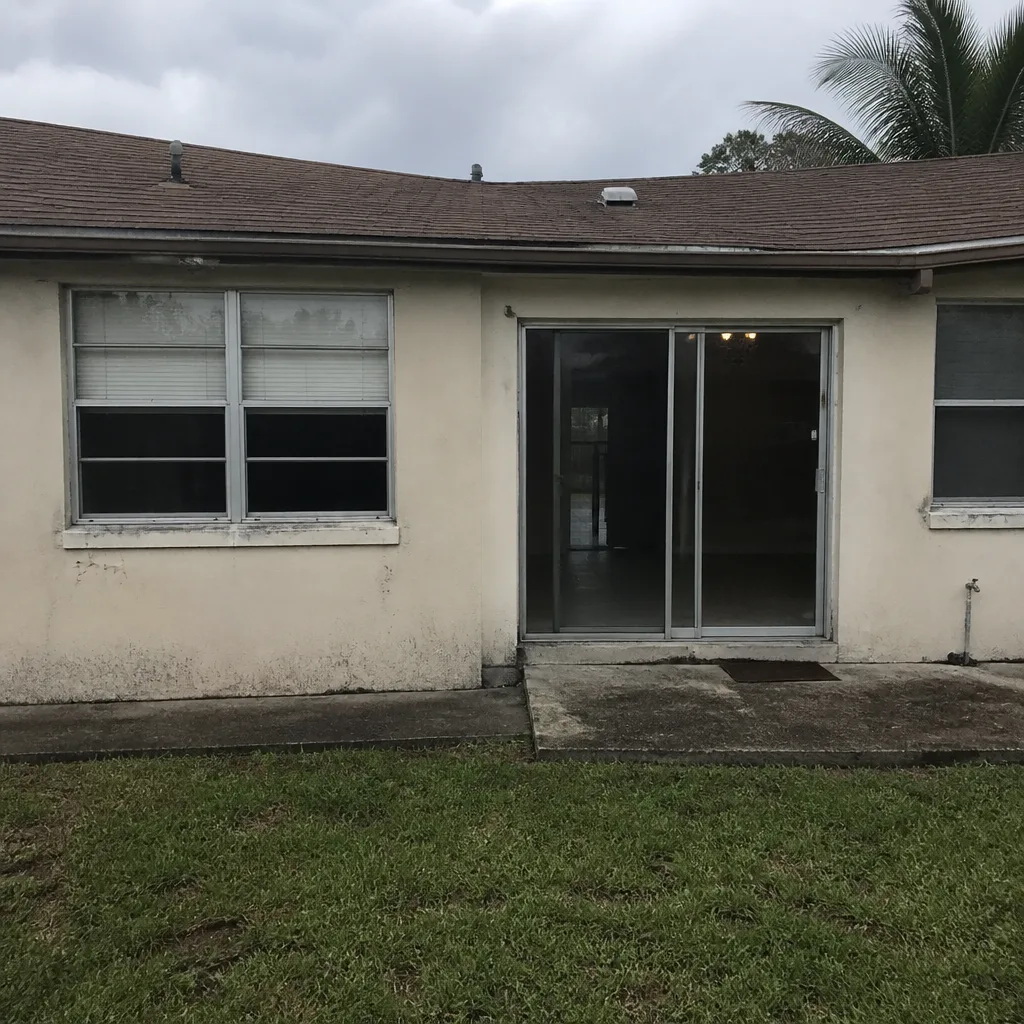 Before
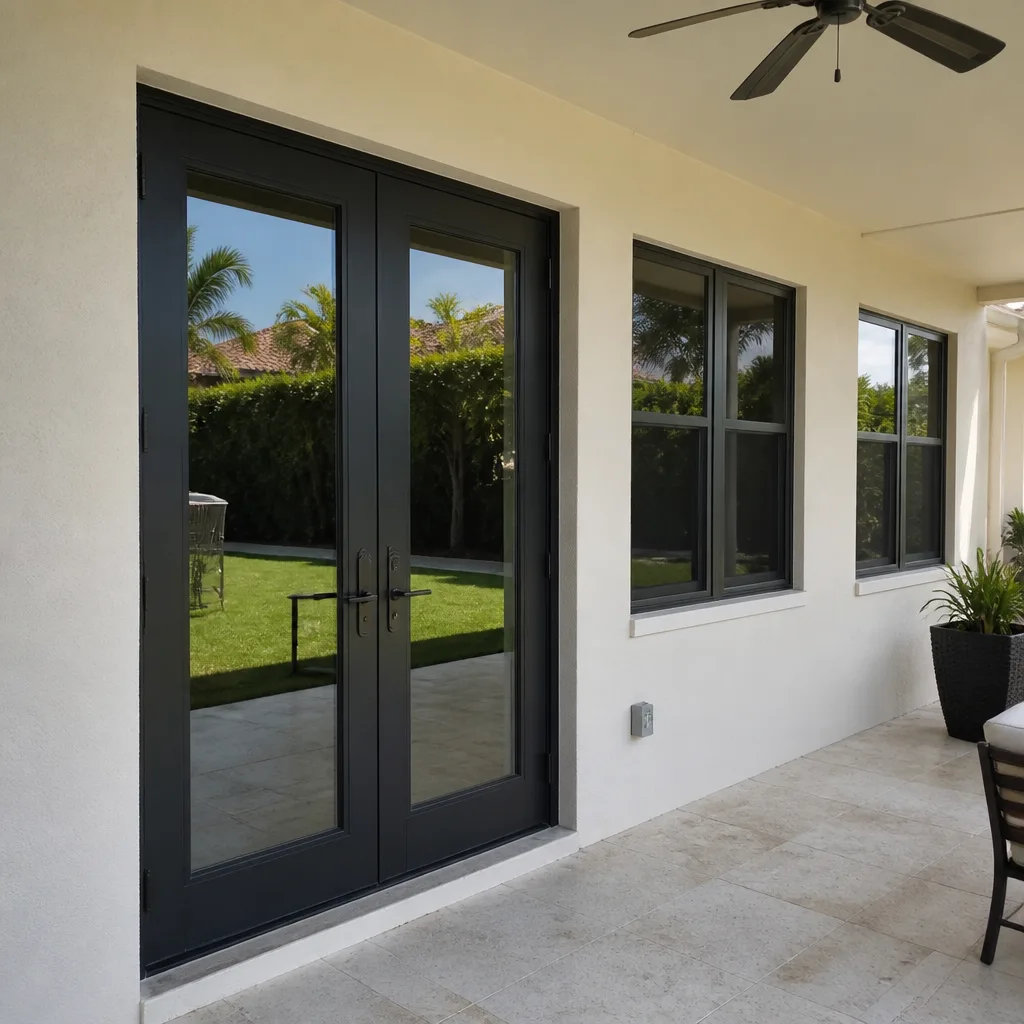 After
After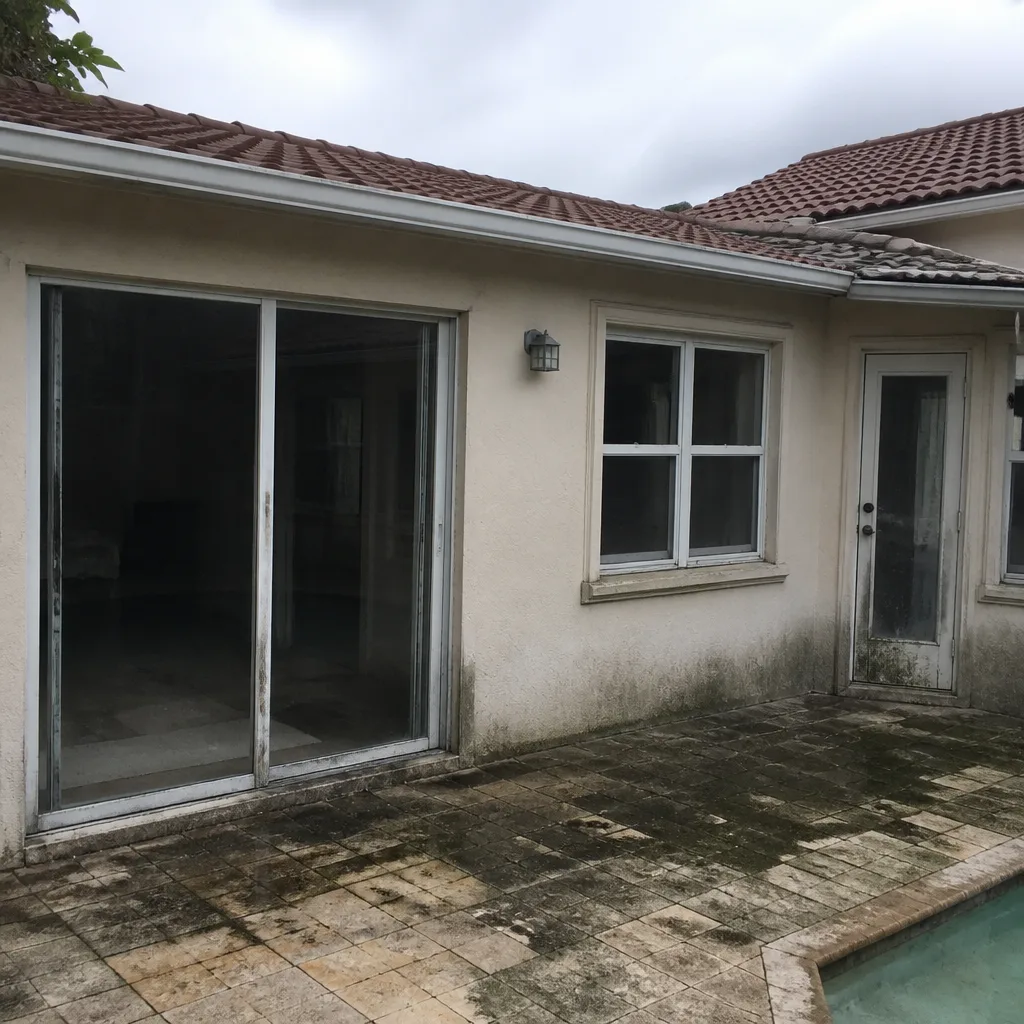 Before
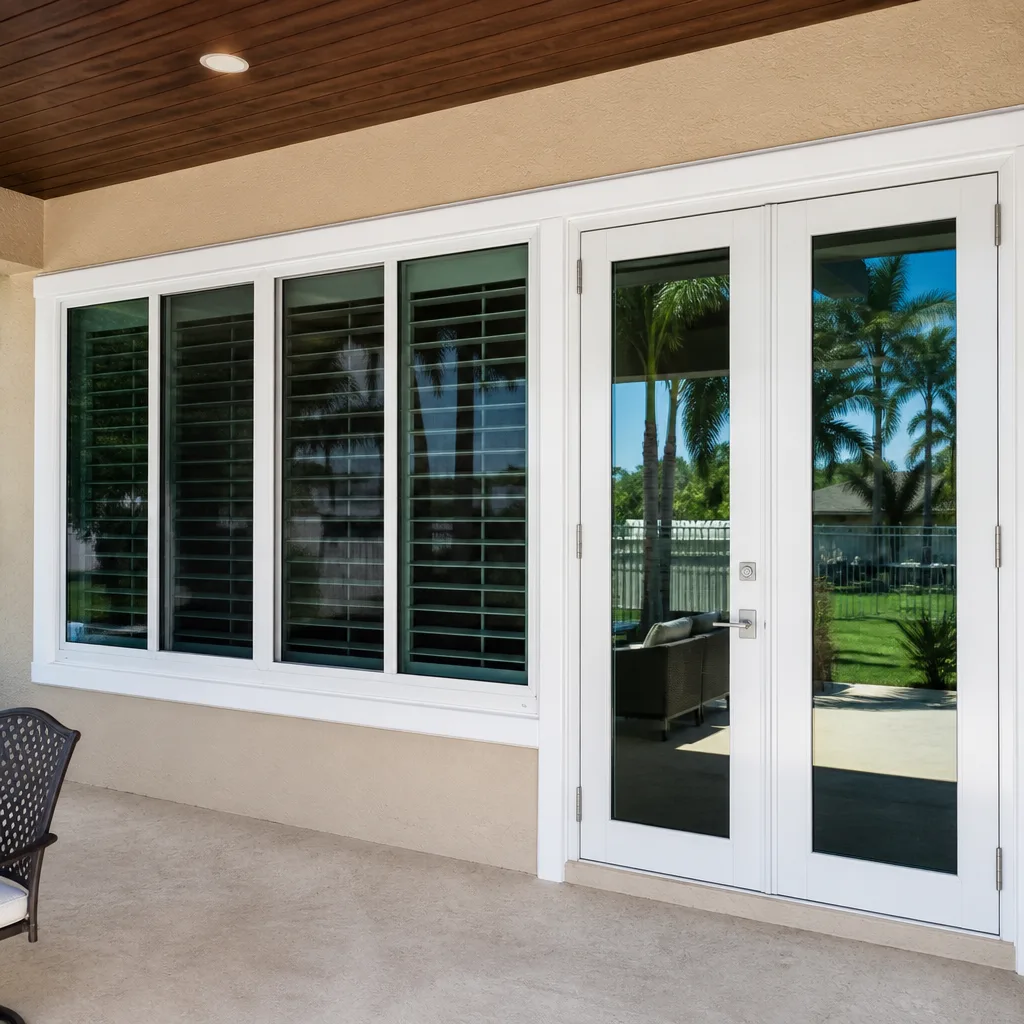 After
After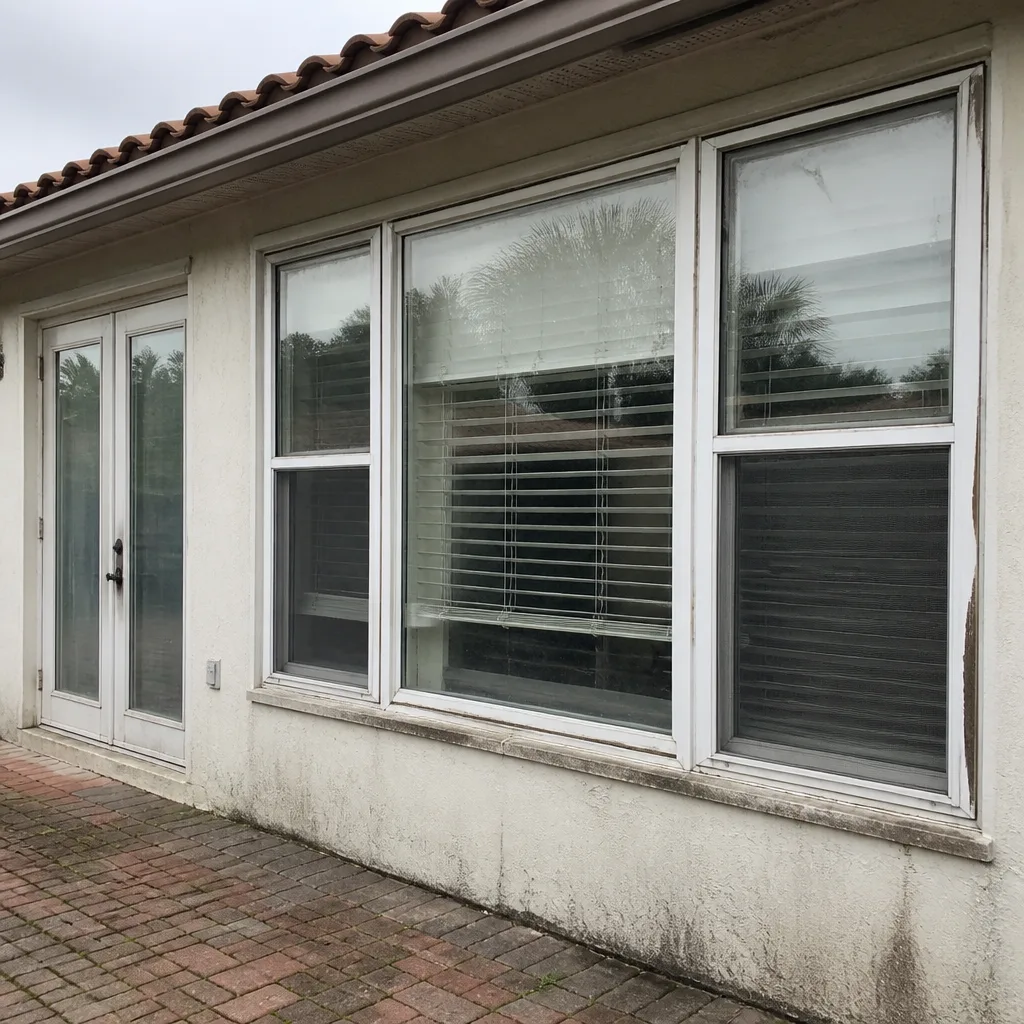 Before
 After
AfterJeld-Wen Glass Railing Systems: The Wellington Owner’s Guide
We stock and install Jeld-Wen-compatible glass railing systems in Wellington, with most panel or shoe replacements running between $220 and $520 per section installed, depending on panel size and hardware condition. If your railing has developed a wobble, a crack, or a cloudy lamination line, we can usually match the exact Jeld-Wen profile the same week and often within a day or two. What usually brings a Wellington homeowner to this page is simple: a panel that started as a small chip near the edge, a clamp that no longer tightens the way it used to, or a railing that shudders when a grandchild grabs it.
Glass railing systems live outdoors here in South Florida, which means they take sun, humidity, and salt air year-round. The hardware and the glass wear differently than the manufacturer’s brochure suggests. We’ve been called out to enough Jeld-Wen systems in Wellington over the years to know which parts fail first, which ones matter most, and what it costs to make the railing right again without replacing the whole run.
Which Jeld-Wen Models This Applies To
Jeld-Wen has offered glass railing systems through several product lines over the years, most commonly as part of their balcony, deck, and patio door packages. The majority of what we see in Wellington is the frameless top-rail system with tempered glass panels held by aluminum or stainless steel base shoes, along with some semi-frameless runs with vertical posts every four to six feet. Before we order anything, we identify the system by three things: the glass thickness etched in the corner of the panel, the base shoe width, and the clamp or standoff style. Jeld-Wen panels are typically 1/2-inch or 5/8-inch tempered glass, and the base shoes run either 3-1/8-inch or 3-1/2-inch wide depending on the year it was installed.
One compatibility gotcha we run into often: a Jeld-Wen panel from a 2012 install does not always seat cleanly into a 2020-era base shoe, even if both are labeled for the same product family. The extrusion tolerances changed slightly when Jeld-Wen moved some railing manufacturing lines. That matters because the difference between a snug, silent railing and one that rattles in the wind is about a sixteenth of an inch in the shoe. We measure the old shoe with a caliper before quoting, and we note the panel’s edge finish, since polished versus ground edges affect how the glass sits in the clamp. On the OEM-versus-aftermarket question, we stock both: Jeld-Wen factory panels and hardware for exact-match work, and a quality aftermarket tempered glass option for cases where the original part is discontinued or backordered. The aftermarket glass we use is cut to the same ANSI Z97.1 and CPSC 16 CFR 1201 safety standards as the OEM panel and costs about 20 to 30 percent less.
Our technicians carry a reference chart of Jeld-Wen railing series spanning the last 20 years, so when we arrive in Wellington with the part, we’re not guessing at the driveway. We also stock components for Andersen, and Pella railing systems for the mixed-brand patio, which is more common in Florida remodels than most people expect.
Signs Your Jeld-Wen Glass Railing Systems Is Failing
- Wobble or sway at the top rail. This almost always traces back to loosened base shoe anchors or worn rubber gaskets inside the shoe. Concrete anchors in Florida heat expand and contract through the seasons, and after a few years the wedge anchors lose bite. Left alone, a railing that moves a quarter inch today will move a half inch next year.
- Cloudy or hazy lines inside the glass. Tempered glass does not fog like an insulated window, but laminated panels can develop delamination at the edge from moisture creep in humid air. Once the lamination starts separating, the panel’s structural rating drops and the only safe fix is replacement.
- Hairline cracks at the corner of a panel. Tempered glass failures nearly always begin at the corners, where the heat-treating stress is highest. A chip or crack there is not cosmetic. It is a countdown. In Wellington’s summer heat and afternoon thunderstorms, that countdown runs faster than it would in another climate.
- Rust or corrosion on the base shoe or clamps. Even stainless hardware pits over time near salt air and pool chemicals. Corroded clamps lose clamping force, and once the stainless-to-aluminum contact point starts galvanically corroding, tightening it further only strips the threads.
- Glass sitting off-level or gaps at seams. When one panel reads slightly lower than its neighbor, the leveling shims under the shoe have usually compressed or rotted. This is a frame-and-shim issue, not a glass issue, and the fix is usually faster and cheaper than most owners expect.
Replacement Cost & What’s Included
For Jeld-Wen glass railing work in Wellington, expect to budget as follows:
- Single tempered glass panel replacement: $220 to $390 installed
- Base shoe replacement, per linear foot: $28 to $55 installed
- Clamp or standoff replacement, per unit: $18 to $40 installed
- Full gasket and hardware refresh per section: $45 to $95 installed
- Complete railing section rebuild (shoe, panel, hardware): $480 to $760 per 6-foot section installed
What drives the range is panel size and glass type. A 5/8-inch laminated panel costs more than a 1/2-inch tempered panel, and a panel with custom edge polish adds fabrication time. Our quotes on Jeld-Wen railing work are written line by line: the panel, the shoe, the anchors, the gaskets, and the labor are all separate items on the paper, so you can see exactly what you are paying for before we start. There are no surprise line items at the end. The labor carries our Done Right Promise, which means if the railing is not right, we come back and make it right without paperwork arguments. Both manufacturer warranty layers on any OEM Jeld-Wen part get registered in writing before the truck leaves your driveway. And for Wellington homes where the railing has been in place more than ten years, we recommend the hardware refresh at the same time as the panel replacement. It is the difference between fixing the railing and fixing it twice.
DIY or Call Us?
There are two things a Wellington homeowner can safely check before picking up the phone. First, run your hand along the base shoe and note any sections where the shoe has separated from the concrete or the screws spin without tightening. Second, look at each panel’s bottom corners with a flashlight for chips, cracks, or white stress marks around the drill holes. That is a diagnosis. The fix itself is not a weekend job. Glass railing panels weigh between 60 and 90 pounds each, and tempered glass under lift-and-twist friction in a base shoe can bind without warning. One wrong angle on a 5/8-inch panel and you have a shattered lite and a hospital trip. The base shoe anchors also need to be set to the original embedment depth in the concrete, which means a hammer drill and the right wedge anchors, not tapcons from the hardware store.
Dale Kessler has been measuring and setting glass in Palm Beach County for going on three decades, and he’ll tell you plainly: on a Jeld-Wen railing, the labor is the easiest part to get wrong and the hardest part to see. If the pane is not true, the job is not done. We’d rather come out, measure it once, and quote it straight. Call (561) 349-4826 and we’ll put a technician at your door with a tape measure and a written price.
FAQs
The glass itself should last 20 to 25 years, but the hardware, gaskets, and shims typically need attention every 8 to 12 years in Wellington’s humidity and salt air. Most of the failures we see are not the glass; they are the small components underneath it. Call (561) 349-4826 for an exact quote on what your railing needs.
No. Tempered glass cannot be repaired once cracked or chipped. The panel has already lost its structural integrity, and the right move is replacement with a panel matched to the original thickness and edge treatment.
Most single-panel or base-shoe replacements take two to four hours on site, and we typically schedule Wellington railing work within a few days of the estimate. A full three-section rebuild is usually a one-day job.
We stock common Jeld-Wen panel sizes, base shoes, clamps, standoffs, and gasket sets on the truck. If you have a discontinued profile or a custom panel size, we fabricate the tempered glass through a local Palm Beach County supplier, which usually adds three to five business days.
Written by Dale Kessler, Owner, TruePane Windows & Doors at TruePane Windows & Doors, serving Wellington and nearby areas.
Six Reasons Homeowners Choose TruePane Windows & Doors
Impact systems engineered to design pressures up to +/-100, matched to your wind zone - your openings hold when the storm arrives.
Low-E insulated impact glass from our manufacturer lines commonly cuts monthly cooling bills 20-30%.
Laminated impact glass shuts out up to 40% of outside noise - traffic, neighbors, weather.
Monitoring services run $30-90 a month. Laminated impact glass resists forced entry around the clock, with no subscription.
Florida homeowners average around 25% savings on the windstorm portion of their policy after protecting every opening - some homes qualify for more.
A full impact package upgrades curb appeal, buyer confidence and appraised value in one project.