
Free in-home measure and quote - PGT, CGI and CWS impact lines compared on your actual openings, style by style
Sliding glass doors
Impact garage doorsPGTCGI
 Before
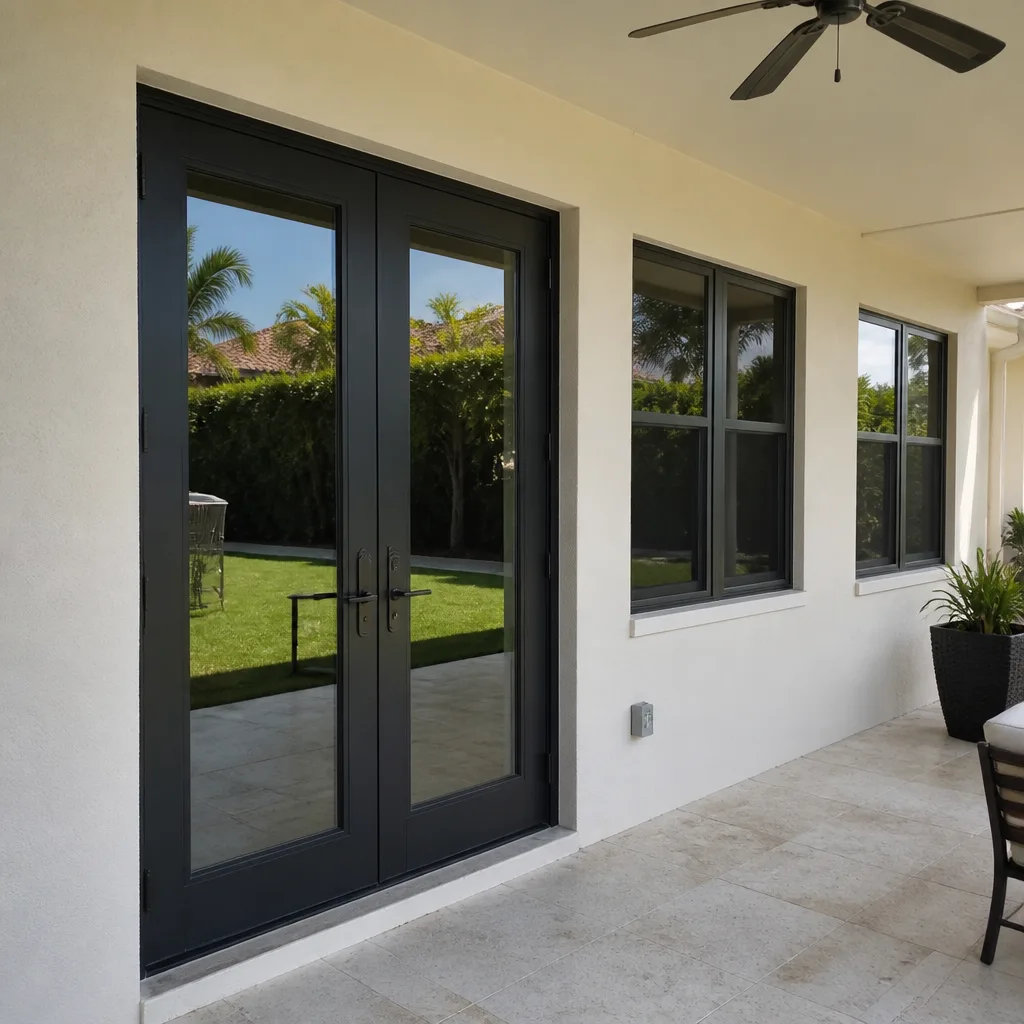 After
After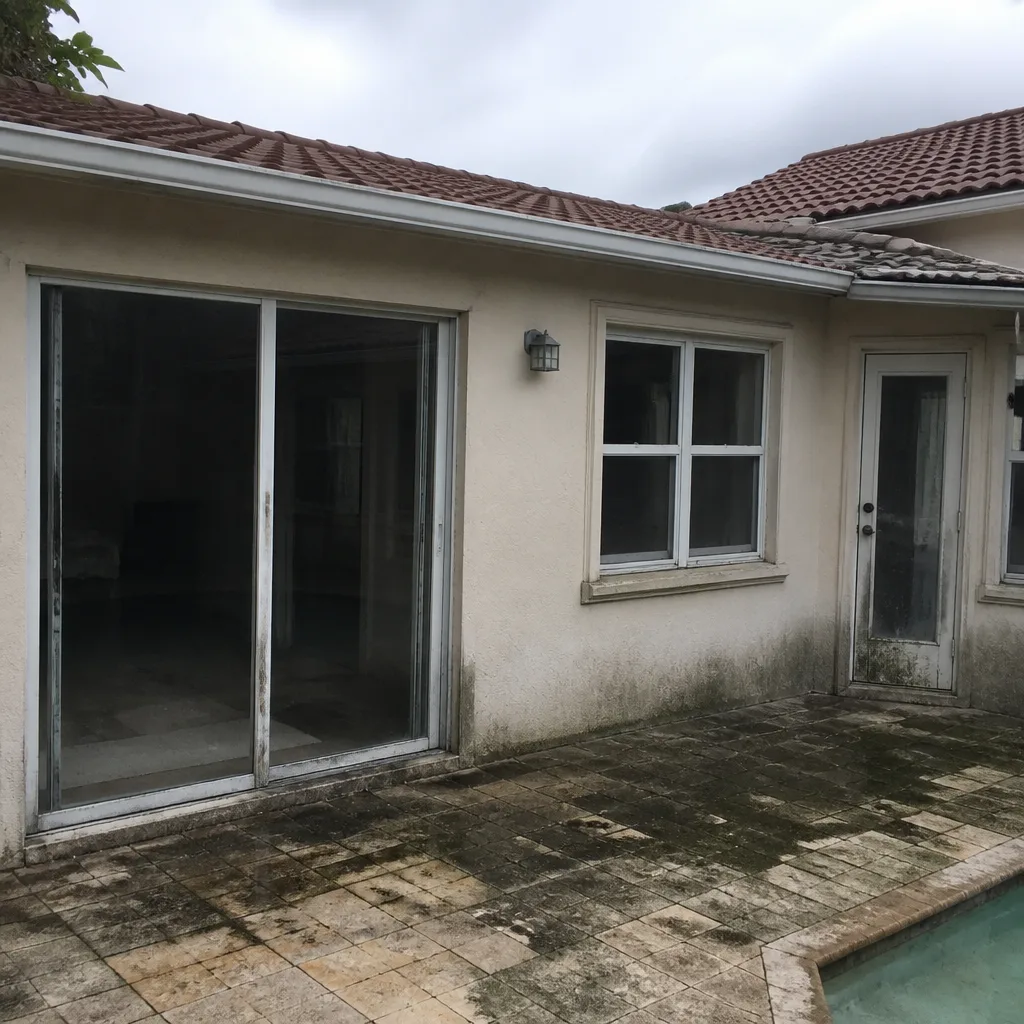 Before
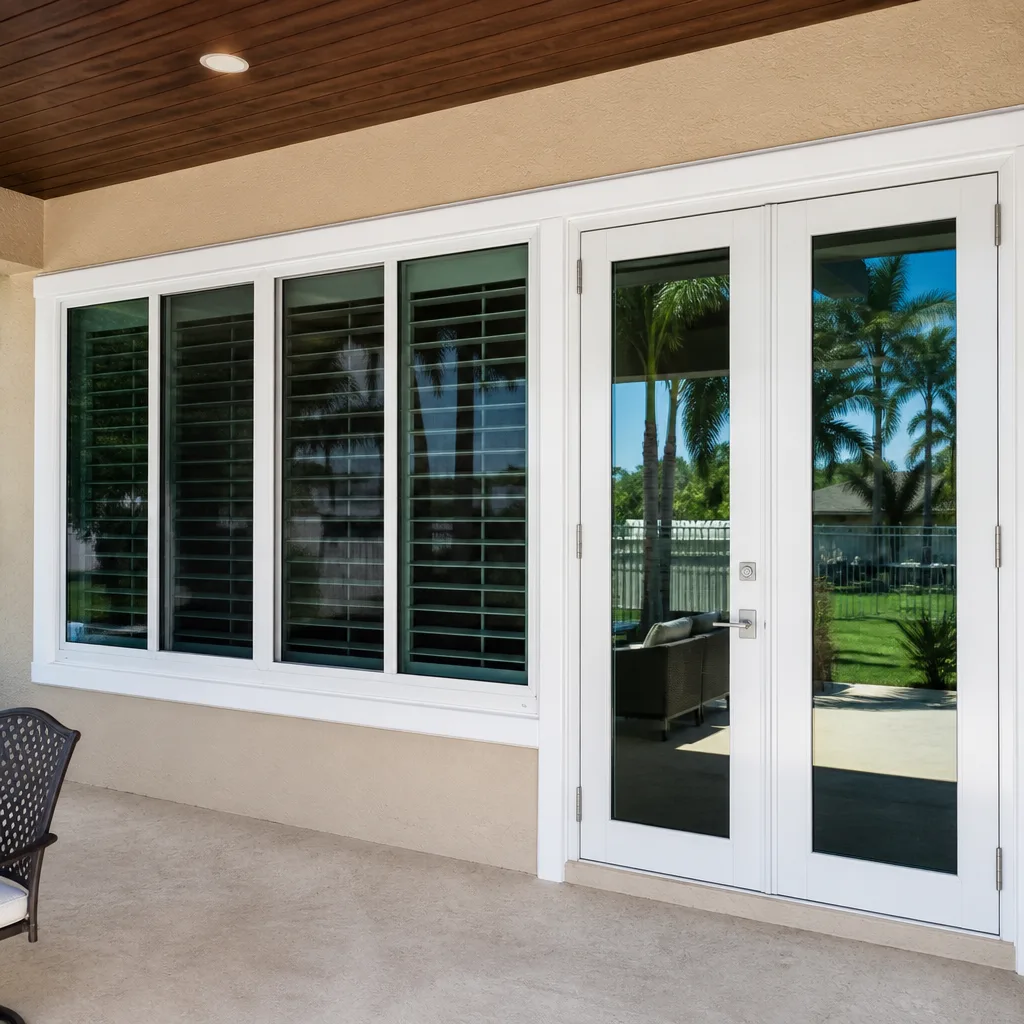 After
After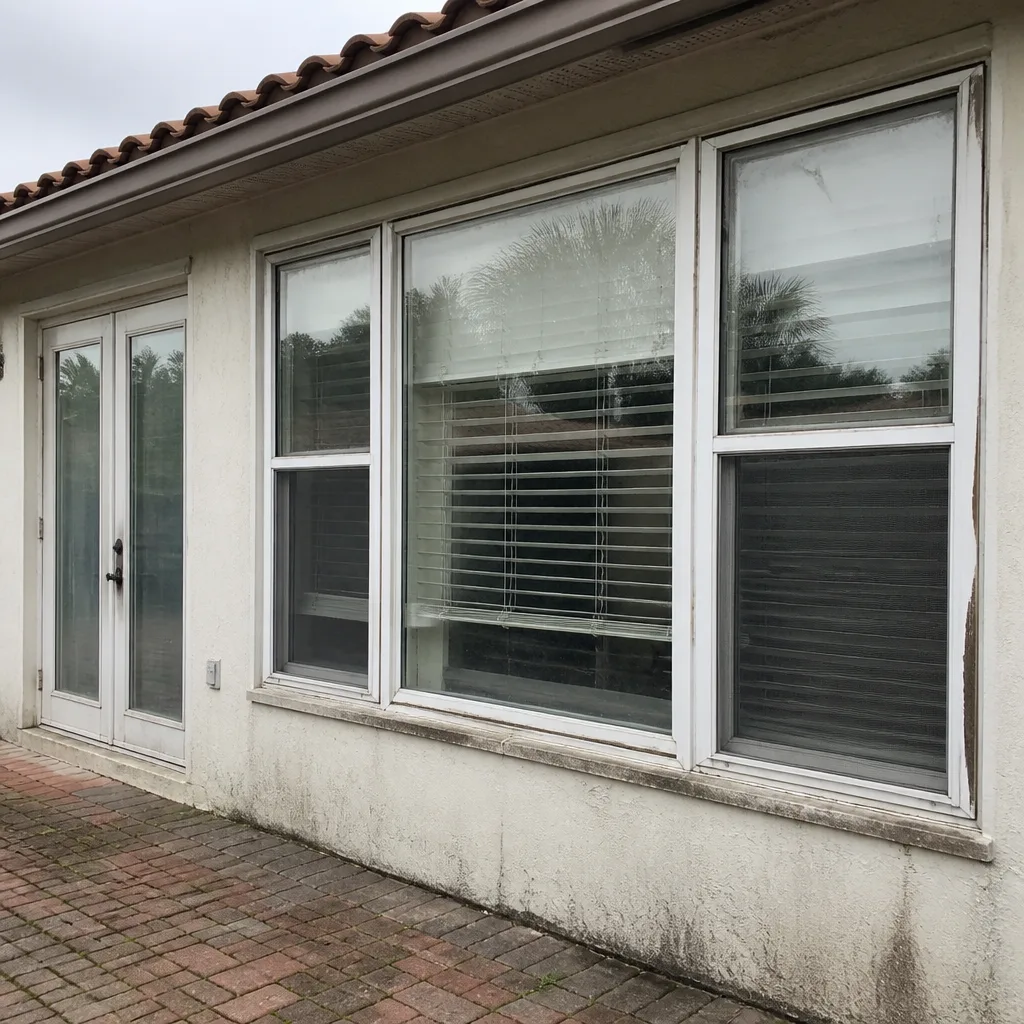 Before
 After
AfterCGI Energy-Efficient Windows in Wellington: What to Know First
CGI energy-efficient windows in Wellington can be repaired or replaced without losing your manufacturer warranty, and most jobs are completed in a single visit. As an independent CGI service provider, we handle everything from failed Low-E coatings and argon gas leaks to full ENERGY STAR replacement installations, with upfront pricing and both warranty layers registered in writing before we leave. If you own CGI windows and your electric bill has crept up or a pane is fogging, call (561) 349-4826 for a free estimate. This page is for Wellington homeowners who want the straight answer on what’s wrong, what it costs, and what fixes actually hold up in our climate.
How CGI Products Fail - and How We Fix Them
CGI builds a solid impact window, but energy efficiency fails in predictable ways after ten to fifteen years in Wellington’s heat and humidity. Here’s what we see most often on CGI units in this area:
- Seal failure on CGI Estate Collection double-pane units. The Estate line uses a dual-seal spacer system, and when the outer seal degrades in Wellington’s summer humidity, argon gas escapes and the pane fogs between the glass. The energy loss is real – a fogged unit can lose 30% or more of its insulating value. We replace the insulated glass unit to factory spec rather than patching the seal, because a patch on an Estate unit rarely lasts more than one wet season.
- Low-E coating degradation on south-facing CGI Sentinel windows. Wellington homes with western or southern exposure put real stress on Low-E coatings. We see Sentinel series windows where the coating has oxidized at the edges and turns milky, which cuts the glass’s ability to reflect heat. The unit still holds its impact rating, but it’s no longer doing the energy job. We quote the replacement IG unit with the same Low-E specification CGI used originally, so the new glass matches the rest of the elevation.
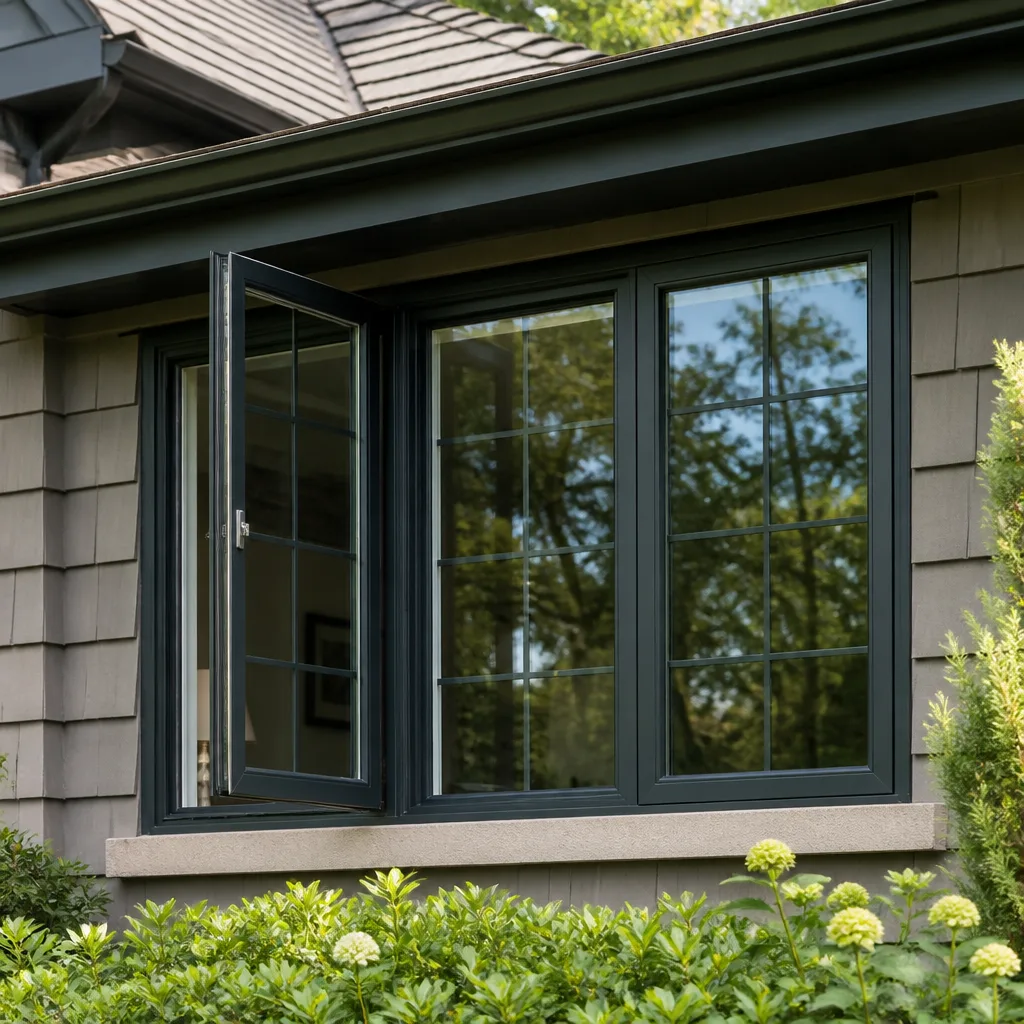
- Frame sealant shrinkage around CGI casement and picture windows. In Wellington’s dry winters and wet summers, the exterior sealant bead on CGI frames expands and contracts enough to pull away from the stucco. The window doesn’t leak water – the air infiltration is what gets you. We remove the old bead, clean the reveal, and re-seal with a commercial-grade sealant rated for South Florida UV exposure. This is a repair CGI’s warranty paperwork often excludes, which catches homeowners by surprise.
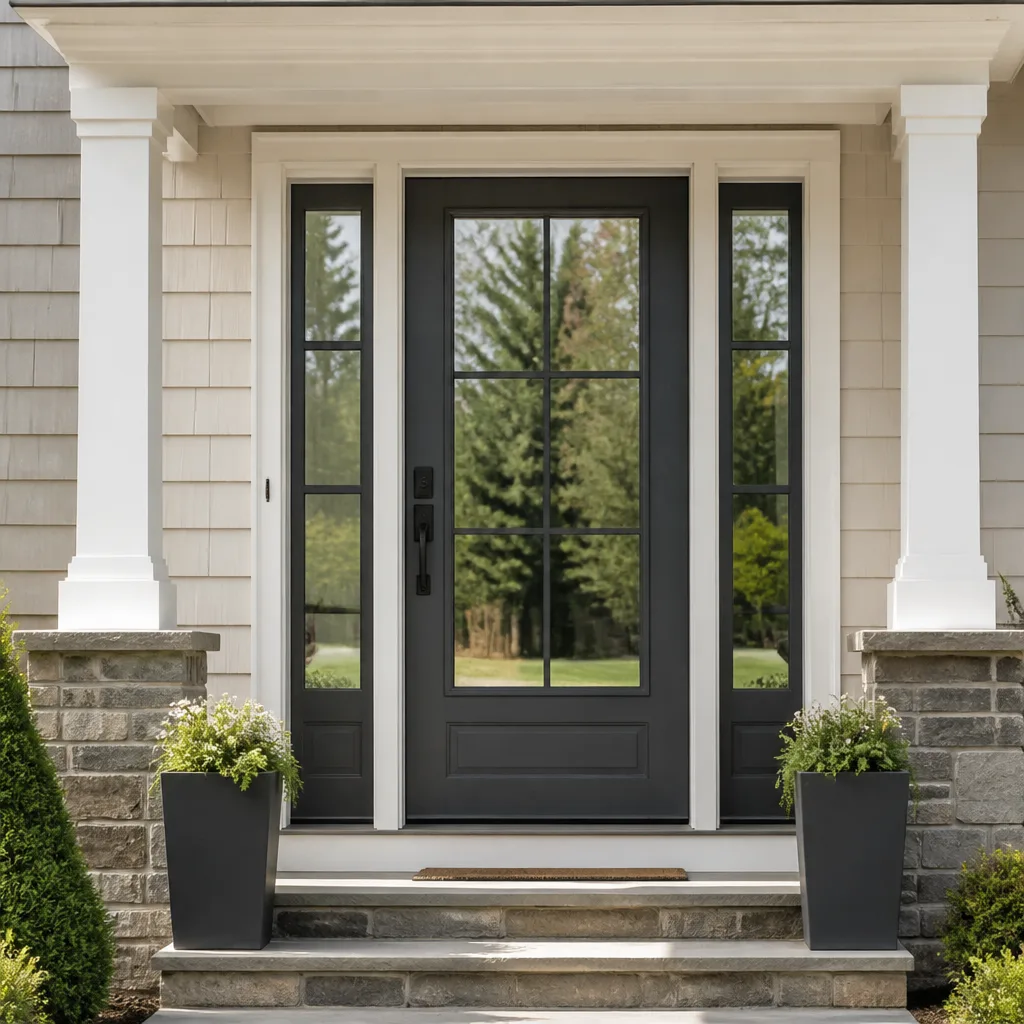
- Failed interlocking weatherstripping on CGIC sliding glass doors. The interlock where the panels meet wears down from daily use, and once that strip flattens, you feel the draft and the AC runs longer. We replace it with an aftermarket weatherstrip that’s denser than the OEM part, which holds its shape longer in Wellington’s heat. It’s a forty-minute fix most owners don’t know exists.
- Condensation on CGI Esteem series windows in the early morning. When the Esteem’s internal weep system clogs with pollen and dust, moisture builds inside the track and shows up as condensation at dawn. Owners assume the glass failed. Usually it’s just a clogged drain channel, which we clear and flush in one visit. If the glass truly has failed, we’ll tell you plainly and quote the replacement before we touch anything.
Our CGI Energy-Efficient Windows Process
Every CGI job follows the same sequence, whether it’s a single fogged pane or a full elevation of replacement windows:
- 1
Call and diagnosis. A live person answers at (561) 349-4826. We’ll ask what you’re seeing – fog, draft, condensation, high bills – and schedule a time that works for you.
- 2
On-site measurement and inspection. Our technician measures every opening twice and checks the frame, sealant, glass thickness, and the CGI label etched in the corner of the pane. That label tells us the series, the glass package, and the manufacturing date.
- 3
Parts decision. For warranty-sensitive work, we use OEM CGI insulated glass units ordered through authorized channels. For weatherstripping, sealants, and hardware, we’ll recommend the best option, OEM or a quality aftermarket equivalent, and put it on paper before we start.
- 4
The repair or replacement. We set the new unit, re-seal the opening, and make sure the sash operates without drag. If the pane is not true, the job is not done.
- 5
Test and verify. We check for air infiltration, confirm the weep system drains, and verify the Low-E coating faces the correct direction. Both warranty layers get registered in writing, with durations stated, before we leave your driveway.
- 6
Cleanup and walkthrough. We haul the old glass and hardware away, and we walk the job with you before we call it finished. You’ll have a written record of what was done and what’s covered.
What CGI Energy-Efficient Windows Costs in Wellington
Here’s what Wellington homeowners can expect to pay for common CGI energy-efficient window work:
- Replacing a fogged or failed insulated glass unit in a CGI Estate or Sentinel window: $340 to $620 per pane, including labor and sealant.
- Full frame sealant re-bead on one CGI window: $180 to $290 per opening.
- Weatherstripping replacement on a CGI sliding glass door interlock: $120 to $220.
- Weep system clearing and flush on a CGI Esteem window: $90 to $160.
- Complete ENERGY STAR replacement window with CGI or a comparable impact-rated line: $900 to $1,800 per opening, depending on size, glass package, and frame condition.
What moves the price is glass thickness, whether the unit is impact-rated, and the size of the opening. We quote line items on paper before work begins, and the price we quote is the price you pay. No change orders, no surprise charges after the fact. Call (561) 349-4826 and we’ll give you a free estimate for your specific windows.
Why Wellington Homeowners Call TruePane Windows & Doors for CGI Work
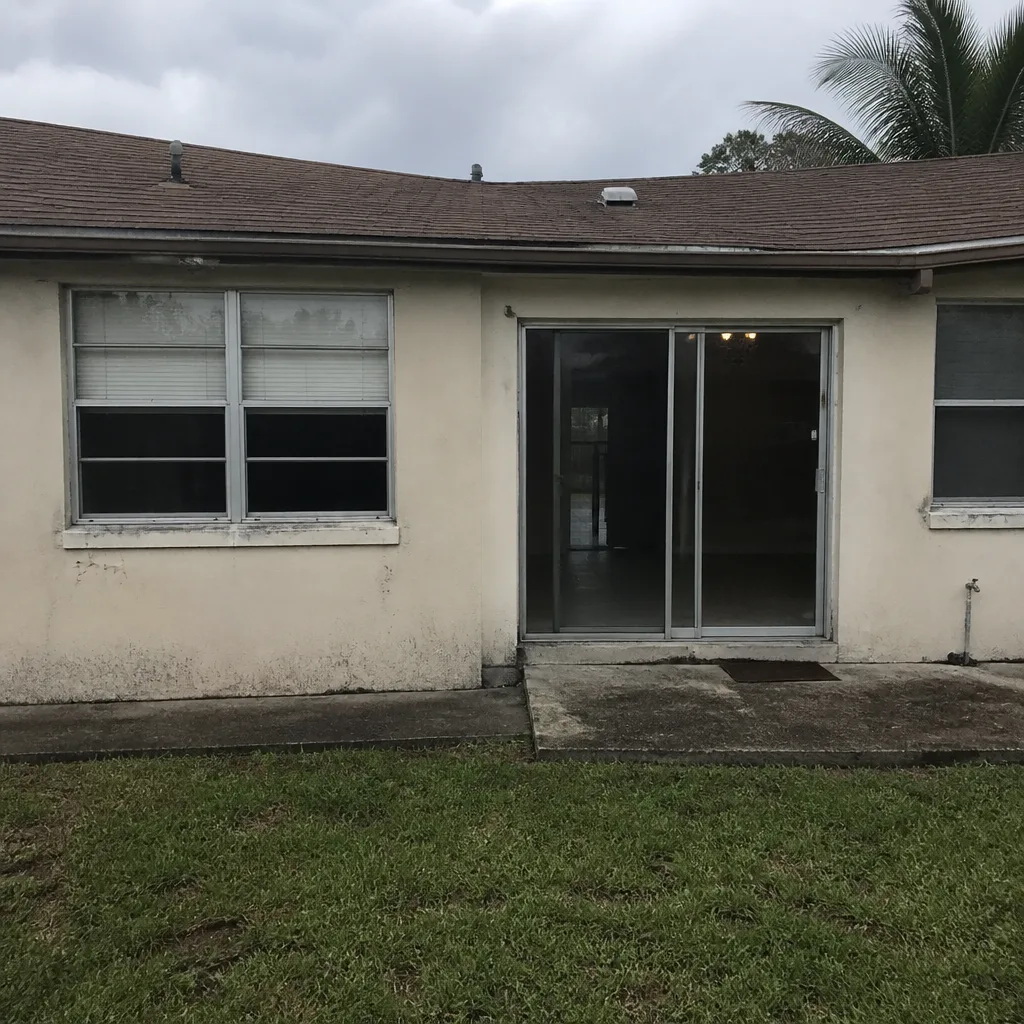
We’ve served Wellington since 2008, and Dale Kessler grew up in Paddock Park – he knows what aluminum jalousie windows did to this neighborhood every time a storm rolled in off the Everglades, and that’s why he built this company around a simple rule: if the pane is not true, the job is not done. Every CGI job is covered by our Done Right Promise, and The Keystone Standard means both manufacturer warranty layers are registered in writing before our truck leaves your driveway. A live person answers the phone 24 hours a day. Our technicians are background-checked, uniformed, and trained on CGI units specifically. And if CGI is not the right fit for a replacement, we’ll show you side-by-side quotes from Andersen, Pella, and PGT on paper so you can compare what you’re actually buying.
FAQs
No, not when the repair is done correctly with the right parts. We register both warranty layers in writing and use OEM CGI insulated glass units on warranty-sensitive work. As an independent CGI service provider, we’re not authorized by CGI, but our work methods are designed to keep your warranty intact. Call (561) 349-4826 and we’ll walk you through what’s covered before we touch anything.
If you see fog or moisture between the panes, the seal has failed and the glass needs replacement, not just repair. If you feel a draft around the frame or see condensation on the inside of the glass in the morning, that’s usually a weatherstripping or weep system issue, which costs far less. We’ll diagnose it on-site and tell you which one it is before you spend a dollar. The estimate is free.
Most CGI insulated glass units from the last twenty years can still be ordered, though lead times vary by series and glass package. For hardware like latches, rollers, and weatherstripping, quality aftermarket options often outperform the original parts in Wellington’s heat and humidity. We’ll quote both and let you decide.
Most single-window glass replacements are done in one visit, typically two to three hours from arrival to cleanup. Full frame replacements or multi-window jobs depend on how many openings and whether we’re ordering custom glass sizes. We’ll give you a firm timeline when you call (561) 349-4826, and we’ll be there when we say.
For impact-rated or structural openings, yes – Wellington requires permits for window replacements that affect the building envelope, and we handle that paperwork. For a straight insulated glass unit swap in an existing frame, permits are not typically required. Dale’s rule on this is simple: if it’s not right on the paperwork, it won’t be right on the wall.
Written by Dale Kessler, Owner, TruePane Windows & Doors at TruePane Windows & Doors, serving Wellington and nearby areas.
Six Reasons Homeowners Choose TruePane Windows & Doors
Impact systems engineered to design pressures up to +/-100, matched to your wind zone - your openings hold when the storm arrives.
Low-E insulated impact glass from our manufacturer lines commonly cuts monthly cooling bills 20-30%.
Laminated impact glass shuts out up to 40% of outside noise - traffic, neighbors, weather.
Monitoring services run $30-90 a month. Laminated impact glass resists forced entry around the clock, with no subscription.
Florida homeowners average around 25% savings on the windstorm portion of their policy after protecting every opening - some homes qualify for more.
A full impact package upgrades curb appeal, buyer confidence and appraised value in one project.