
Last updated August 27, 2026
Free in-home measure and quote - PGT, CGI and CWS impact lines compared on your actual openings, style by style
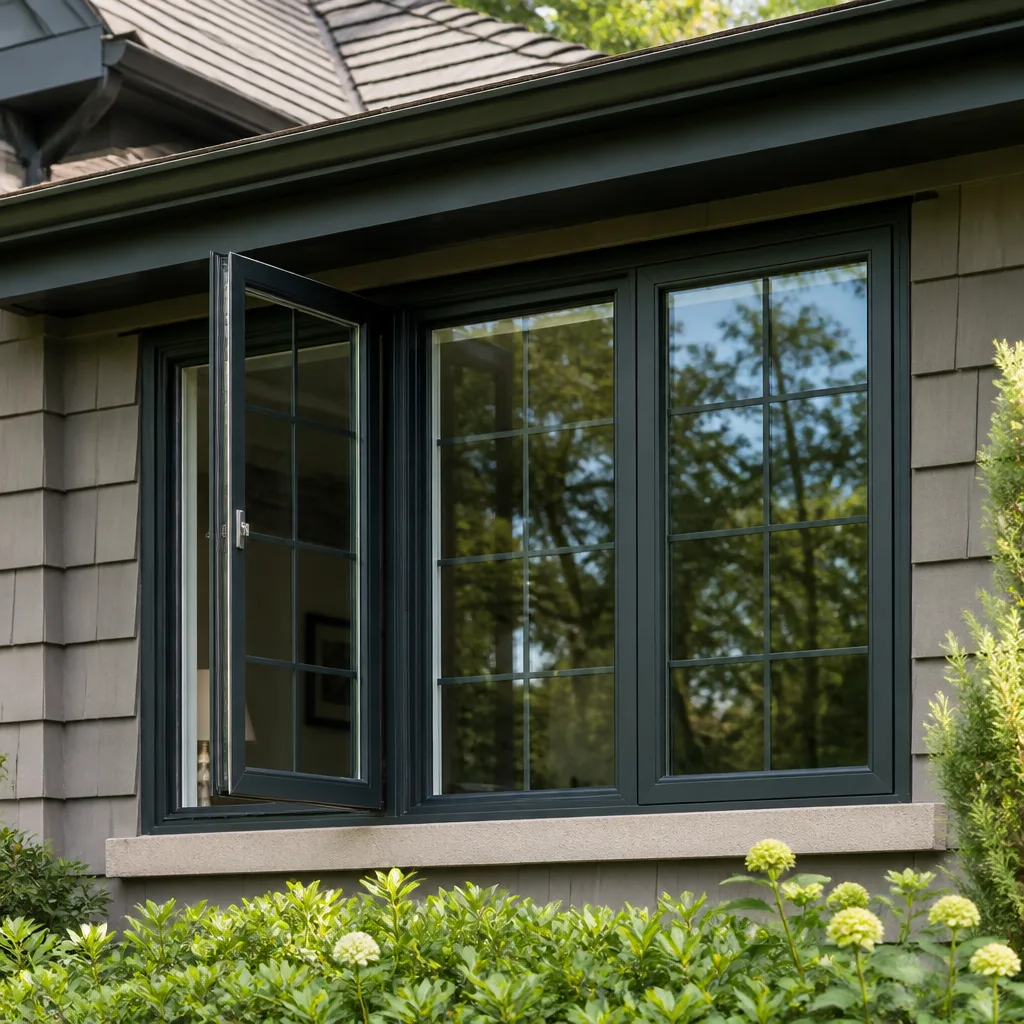
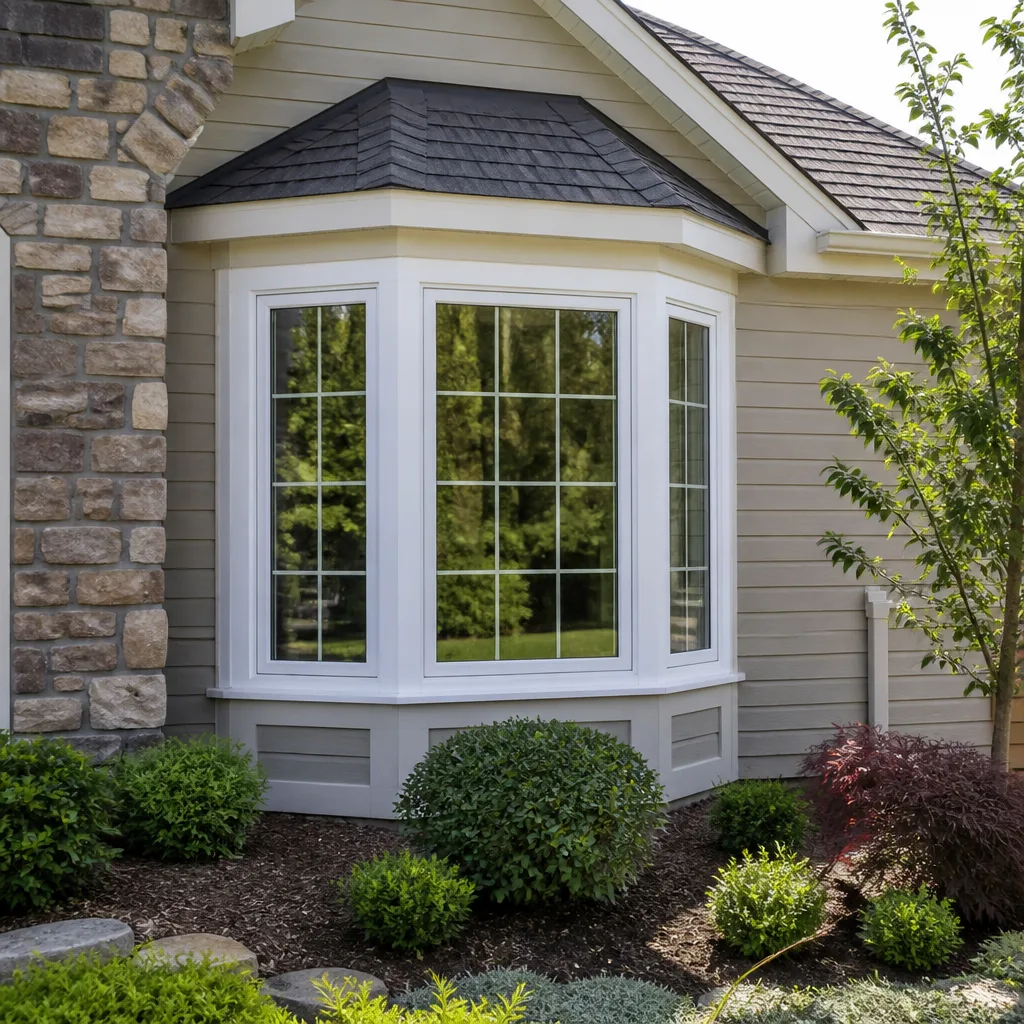
Sliding glass doors
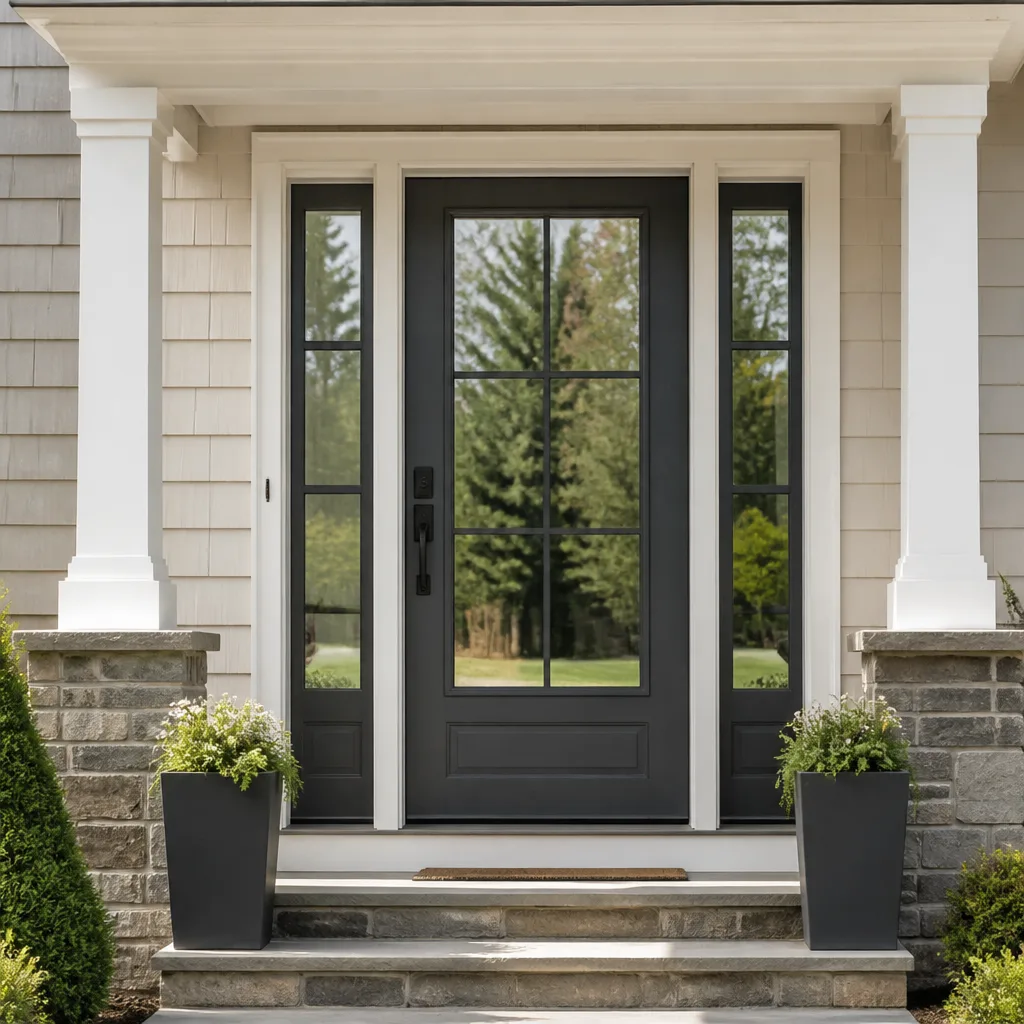
Impact garage doorsPGTCGI
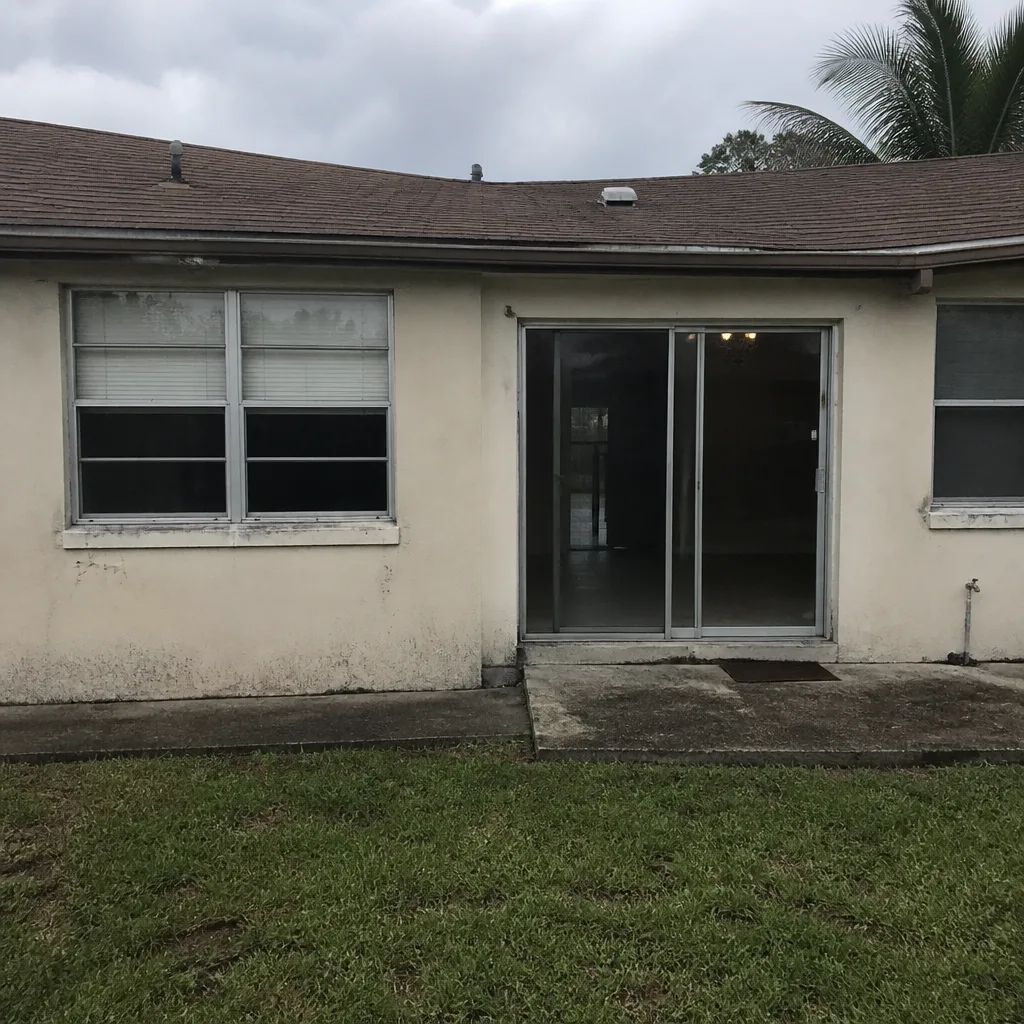 Before
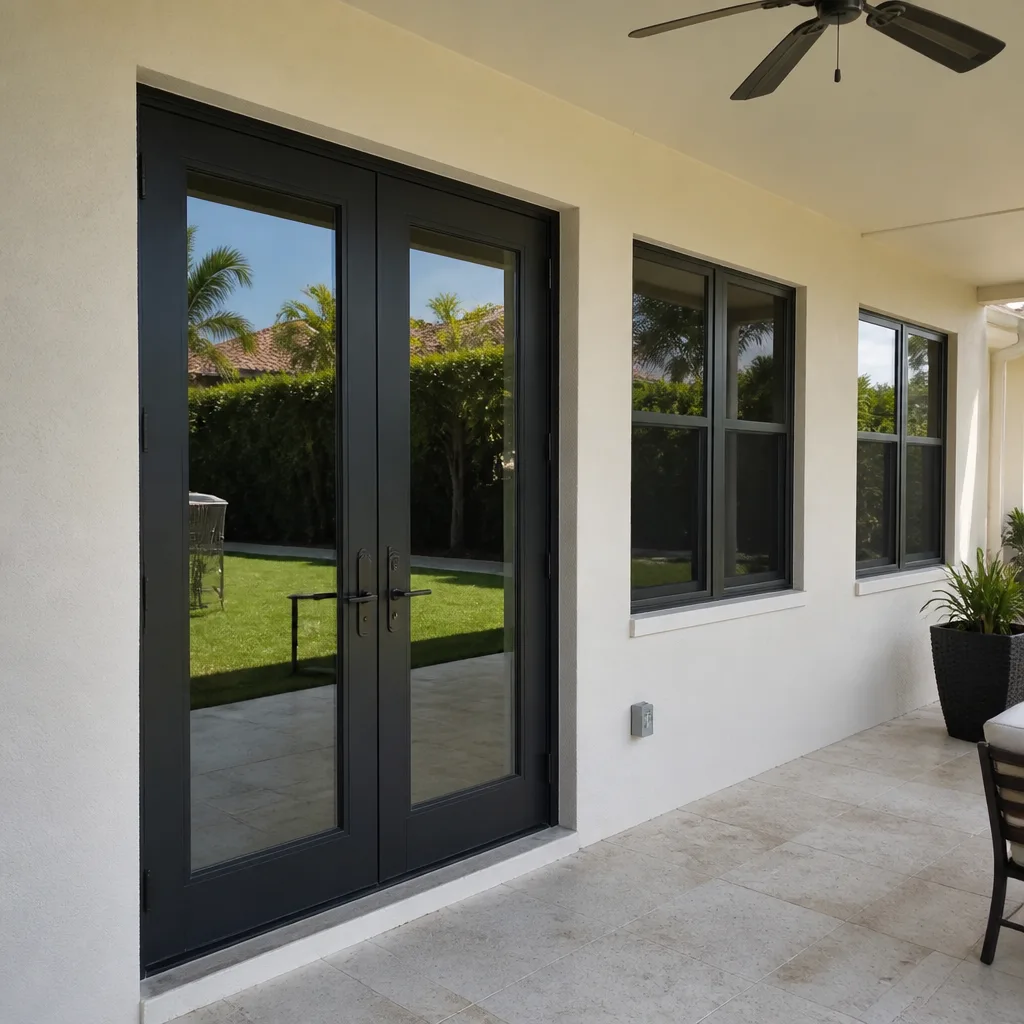 After
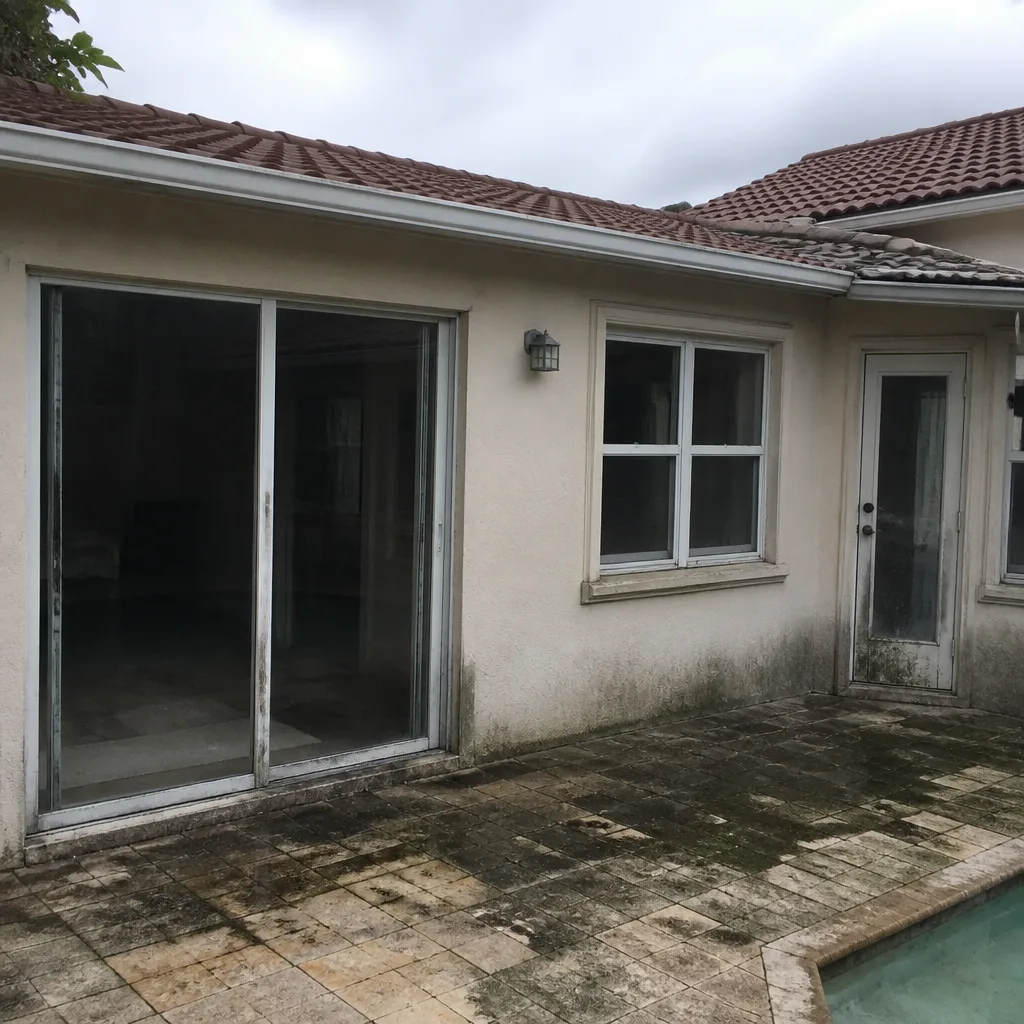 Before
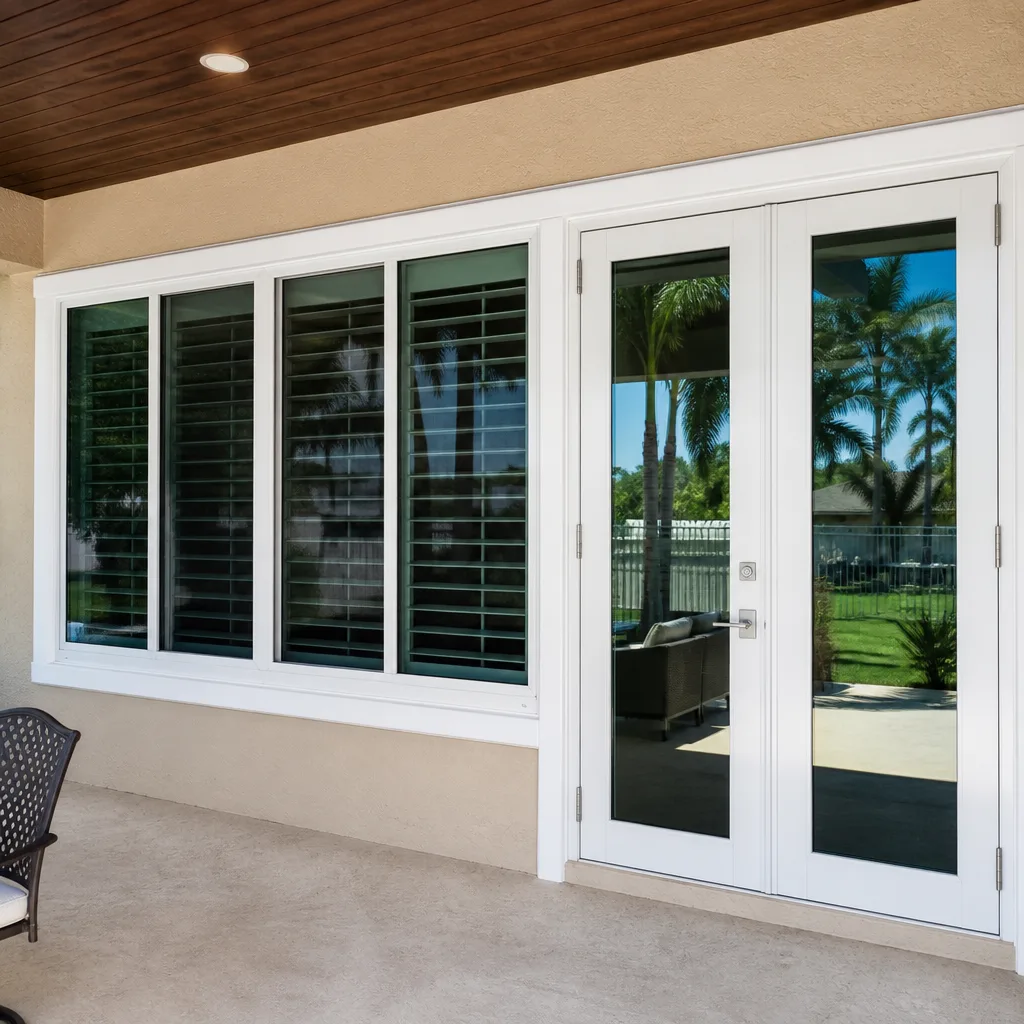 After
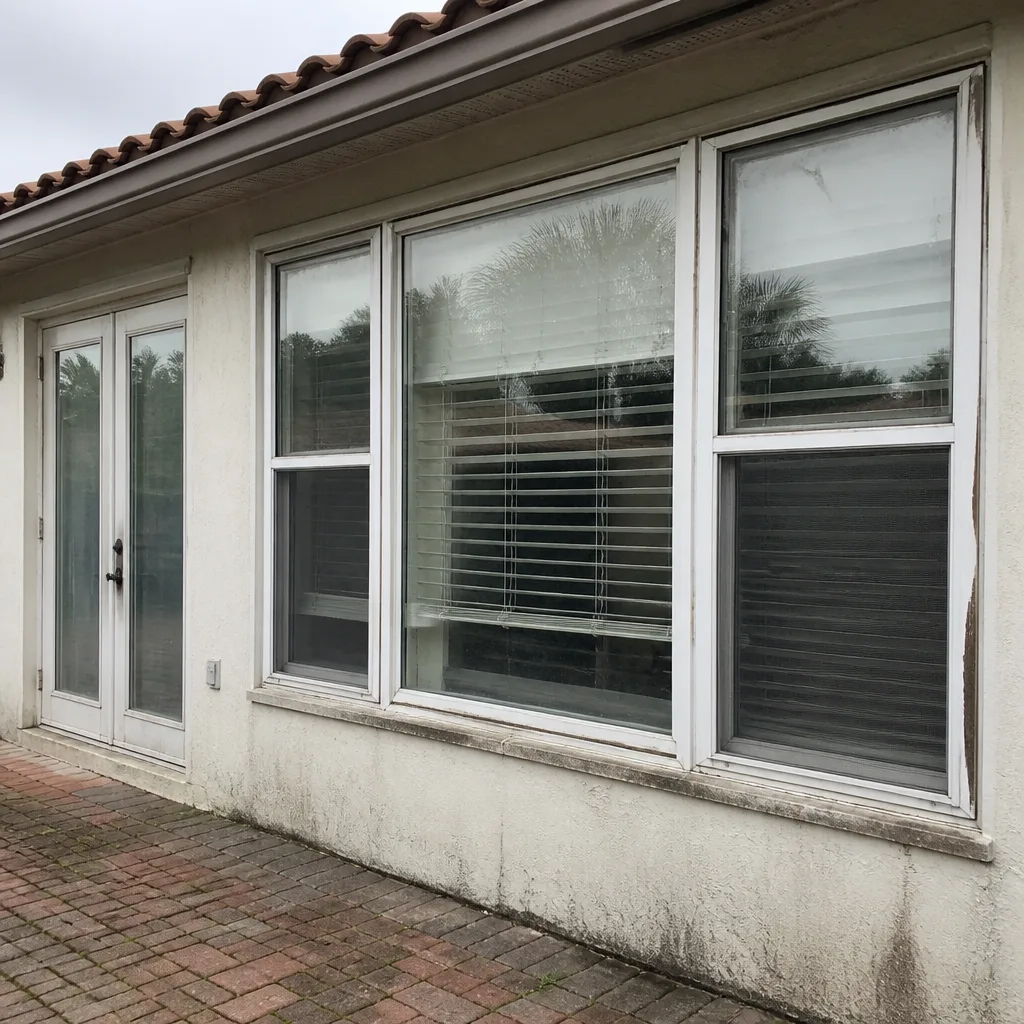 Before
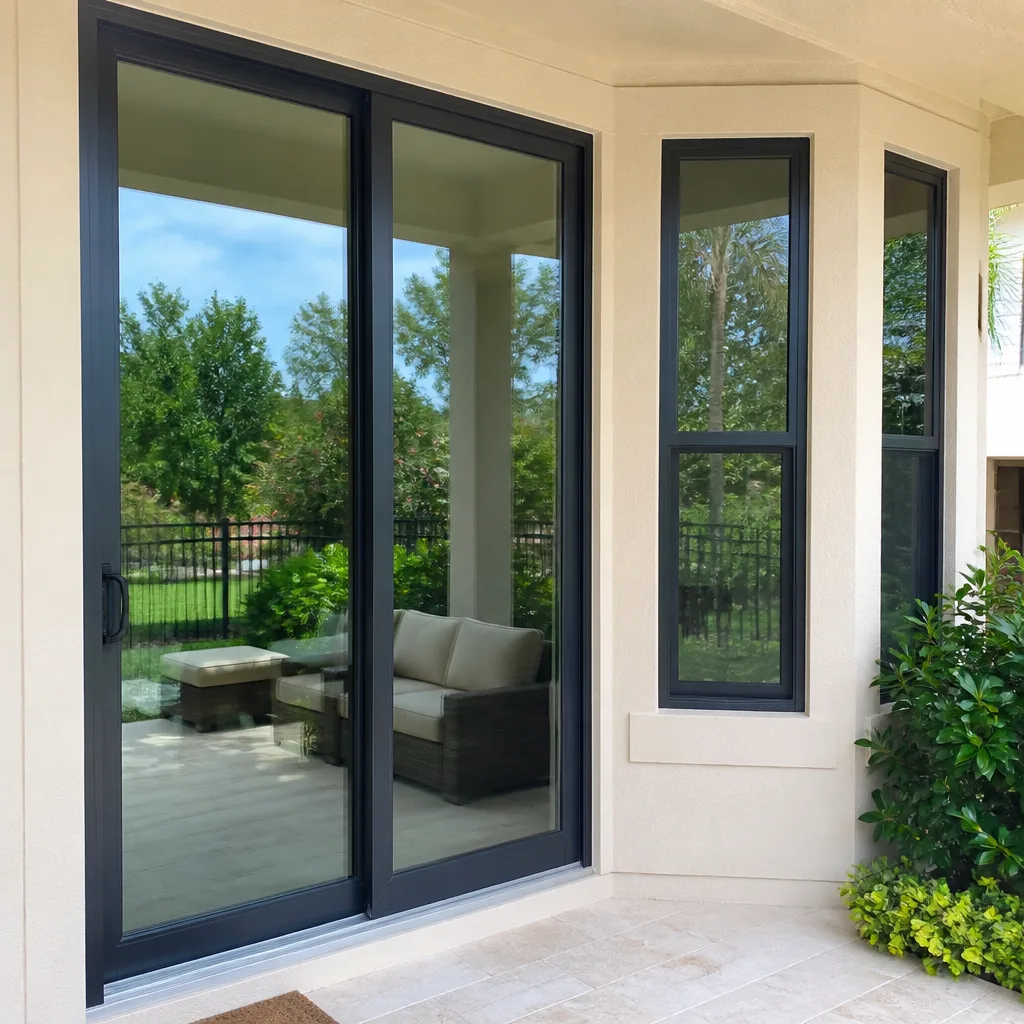 After
The Complete Guide to Windows & Doors in Wellington
Here is a number that surprises most Wellington homeowners: a single poorly sealed window can account for up to 30 percent of a home’s annual heating and cooling loss. In South Florida, that means your air conditioner is running harder every afternoon while your money leaks through the frame. This guide is written for the homeowner who plans to stay in their house for another twenty years and wants to make one set of window and door decisions that will hold up that long. We’ll walk through what actually matters in Wellington’s climate, what things cost, which materials survive hurricane season, and how to avoid paying twice for the same mistake.
Quick Answer
Replacement windows in Wellington typically run $600 to $1,800 per opening installed, while a standard exterior door replacement costs $1,200 to $4,000 depending on material and impact rating. The two factors that matter most in this climate are impact-glass certification and low-E coatings, because Wellington homes face both hurricane wind loads and year-round UV exposure. A properly specified and installed window or door should last 20 to 30 years in Wellington’s conditions, and the best way to protect that investment is to register both manufacturer warranty layers in writing on installation day.
Table of Contents
- What Wellington’s Climate Does to Windows and Doors
- Choosing Window Materials That Survive South Florida
- Impact Windows: What the Ratings Actually Mean
- Entry Doors, Patio Doors, and What Holds Up Here
- Energy Efficiency: The Numbers Behind the Labels
- Warranty Structure: The Fine Print That Protects You
- What Replacement Windows and Doors Cost in Wellington
- The Installation Process: Step by Step
What Wellington’s Climate Does to Windows and Doors
Wellington sits in a unique microclimate within Palm Beach County. We get the full force of Atlantic hurricane season from June through November, followed by a dry season that still pushes daytime temperatures into the high 80s as late as Thanksgiving. Combine that with humidity that rarely drops below 60 percent, and you have a testing ground for windows and doors that most manufacturers do not design for by default.
The primary threat is not the dramatic storm event. It is the daily grind of moisture and UV exposure. Wood frames that perform beautifully in the Northeast will swell, cup, and rot within a decade of Wellington humidity unless they are clad, sealed, and maintained aggressively. Aluminum that works fine in a dry climate will corrode at the joints if the powder coating is scratched during installation. Vinyl is a solid mid-range choice for Wellington, but only when it includes welded corners and adequate reinforcement to handle thermal expansion, which can hit meaningful ranges in direct sun.
We have seen specific failure patterns repeat themselves across Wellington neighborhoods. In Olympia and Buena Vida, where homes were built in the early 2000s, original builder-grade windows often show seal failure around year twelve to fifteen, visible as fogging between the panes. In Palm Beach Polo and Aero Club areas, where lakeside exposure adds reflected UV load, south-facing frames deteriorate faster than north-facing frames on the same house. This is not guesswork; it is predictable material science applied to a specific climate.
The practical takeaway: when you select windows or doors for a Wellington home, choose materials rated for coastal humidity, not just coastal wind. A window can pass an impact test in a lab and still fail a real-world service life here if the frame material cannot handle daily moisture cycling.
Choosing Window Materials That Survive South Florida
Every window conversation eventually arrives at material. Here is how the four main options actually perform in Wellington, based on what we have replaced, repaired, and installed over the years.
- Vinyl: The most common replacement frame in Wellington. Good thermal performance, minimal maintenance, and a reasonable price point. The key is welded corners and internal reinforcement. Cheap mechanically fastened vinyl will sag over time, and in Wellington’s heat that sag becomes a seal failure. A quality vinyl window from a manufacturer line we trust, with proper installation, should give 20 to 25 years of service here.
- Aluminum: Strong and slim, which is why it dominated Florida construction for decades. The drawback is thermal conductivity. Aluminum frames transfer heat directly from the outside surface to the inside, which works against your air conditioning. Modern thermally broken aluminum solves much of this, but it adds cost. For hurricane-rated openings where frame strength matters most, aluminum remains a serious contender.
- Fiberglass: The best thermal performance of the group and excellent structural stability. It expands and contracts at roughly the same rate as glass, which reduces seal stress over time. It costs more than vinyl and aluminum. We recommend it for Wellington homeowners who want a fifty-year window and plan to stay in the house long enough to justify the premium.
- Wood and wood-clad: Beautiful, traditional, and high-maintenance in South Florida humidity. If you choose wood, choose a clad product with an aluminum or vinyl exterior and plan to maintain interior finishes. We have replaced enough rotted wood frames in older Wellington estates to know that bare wood is a ten-year product here, not a thirty-year one.
One note that matters in Wellington specifically: HOA requirements. Several Wellington communities have architectural review committees that restrict frame colors, grid patterns, and even material types. Before you fall in love with a specific window, confirm what your association will approve. Getting this wrong means a board rejection and a delay that can stretch into the next season. We quote manufacturer lines side by side on paper so you can bring exact specifications to your HOA on the first pass.
Impact Windows: What the Ratings Actually Mean
Impact windows are the difference between a house that weathers a Wellington storm and one that does not. Here is what the ratings mean without the marketing fog.
An impact-rated window passes two tests. The large-missile test fires a 2×4 piece of lumber at the glass at 50 feet per second to simulate flying debris. The cyclical wind pressure test then subjects the window to repeated positive and negative pressure cycles to simulate hurricane-force wind gusts. A window that passes both earns a Miami-Dade NOA (Notice of Acceptance) or Florida Product Approval, which are the two certifications that matter in Palm Beach County.
There is a critical distinction between impact glass and non-impact glass with shutters. If you install standard windows, you must deploy shutters or panels before every named storm that threatens Wellington. If you install impact glass, the window itself is the protection. No shutters to store, no plywood to cut, no scrambling at the last minute. For a homeowner in their sixties or seventies, this is not a convenience question. It is a safety and mobility question.
Impact windows in Wellington cost roughly 40 to 60 percent more than non-impact windows of the same size, depending on the manufacturer line. Andersen, Pella, and PGT all make excellent impact-rated lines, each with different frame profiles and price points. The investment pencils out over time through insurance premium reductions, which many Florida carriers offer for homes with full impact protection. Check with your carrier after installation; some require documentation that a qualified installer should provide on day one.
One caution from our own work: impact glass is heavy. A large picture window can weigh more than a hundred pounds. This is not a one-person installation, and it is not a place to cut corners on flashing and anchoring. The window can pass every lab test and still leak if it is not set square and sealed properly. That is the part no brochure covers and the part that determines whether the window performs for five years or thirty.
Entry Doors, Patio Doors, and What Holds Up Here
Doors fail differently than windows in Wellington. They move. They carry weight. They are opened and closed thousands of times a year. In humidity, a door that fits perfectly in January can bind in July if the slab was not selected and hung with thermal movement in mind. We hear the same complaint across the VillageWalk and Isles communities: the door was fine when it was installed, and six months later it sticks. That is a material and installation issue, not a mystery.
For entry doors, fiberglass has become the default choice for Wellington homeowners who want the look of wood without the swelling. A quality fiberglass entry door with a composite frame will hold its dimensions through seasonal humidity swings, and it accepts paint well. Steel doors are cheaper and strong, but they dent on the exterior and can rust at the bottom sweep if the paint is not maintained, particularly on the lake side of homes where reflected moisture is constant.
Patio doors deserve special attention because they are the largest glass opening in most Wellington homes. Sliding glass doors see two common failure points here: roller failure from constant use, and track corrosion from humidity and incidental water intrusion. Multi-point locking systems on newer sliding doors help with both security and seal compression, but only if the door is adjusted correctly at installation. A sliding door that is out of level by a quarter inch will wear rollers unevenly and bind within a few years.
French doors and hinged patio doors bring their own considerations. The threshold detail matters enormously in Wellington’s rainy season. An improperly flashed threshold channels water into the floor sheathing, and by the time you see the stain on the baseboard, the subfloor has been wet for months. We pull the threshold on every door replacement and inspect what is underneath before setting anything new. That practice has saved Wellington homeowners from thousands in floor repair over the years.
Energy Efficiency: The Numbers Behind the Labels
Window efficiency is measured in four primary numbers that appear on every manufacturer’s NFRC label. Understanding these four numbers is the difference between buying a cheap window and buying a value.
- U-Factor: The rate of heat transfer through the window. Lower is better. For Wellington, where your primary energy cost is cooling, look for U-Factor of 0.30 or lower on any window you buy. Impact glass typically runs slightly higher than non-impact, but quality lines from Andersen and Pella can still land in the low 0.30s.
- Solar Heat Gain Coefficient (SHGC): The fraction of solar radiation admitted through the window. Lower is better for Wellington’s cooling-dominated climate. Target SHGC of 0.25 or lower. This is the number that tells you how hard your air conditioner has to work against the sun hitting your windows every afternoon.
- Visible Transmittance (VT): How much natural light passes through. Higher is better, typically 0.40 to 0.60. The trick is finding glass that blocks solar heat while still letting in daylight. Modern low-E coatings do this well, and they do it without the dark tint that makes interiors feel gloomy.
- Air Leakage (AL): How much air passes through the assembled window. Lower is better. Look for AL of 0.30 or less. This number reflects the quality of the frame, sash, and weatherstripping design, not just the glass.
In practical terms for Wellington: a double-pane window with a low-E coating and argon gas fill will reduce your cooling load noticeably versus single-pane builder windows. We have measured interior glass surface temperatures on west-facing windows in the afternoon that differ by 12 to 15 degrees between low-E double-pane and clear single-pane glass. That differential is real money on an FPL bill every month from May through October.
Energy Star certification applies to windows rated for specific climate zones. Wellington falls in the Southern zone, which means Energy Star windows here are tuned for cooling efficiency. When comparing quotes, check that the window rated for the Southern zone is the one being priced. A Northern zone Energy Star window is not the right product for a Palm Beach County house.
Warranty Structure: The Fine Print That Actually Protects You
Window and door warranties come in layers, and most Wellington homeowners only discover this when something fails. Here is how the layers work.
Manufacturer warranty layer one: glass. This covers the insulated glass unit against seal failure, which shows up as fogging or condensation between the panes. Quality manufacturers cover glass for 20 years or longer, some for the life of the product. The warranty pays for the replacement glass, and in many cases covers some labor. This is the warranty that matters most in Wellington, because seal failure is the most common long-term failure mode in our climate.
Manufacturer warranty layer two: frame and hardware. This covers the frame, sash, hardware, and other non-glass components. Typical coverage runs 10 to 20 years depending on the manufacturer and product line. Vinyl frame warranties usually cover cracking, warping, and discoloration. Hardware warranties are often shorter than frame warranties.
Installation workmanship warranty. This is the layer the installing company provides, separate from the manufacturer. It covers the installation itself: flashing, sealing, leveling, anchoring, and the fit of the unit in the opening. Manufacturer warranties do not cover installation errors. If a window leaks because it was set wrong, the manufacturer will not pay for the damage, and the argument becomes between you and the installer.
This is why we document warranties in writing on every job in Wellington. The Keystone Standard at TruePane Windows & Doors means both manufacturer warranty layers are registered in writing, with durations stated, before our truck leaves your driveway. If something fails later, there is no question about what is covered, for how long, and by whom. The Done Right Promise covers workmanship: if the installation is not done right, we make it right. No paperwork fight, no fine print that covers neither.
A practical tip: when you receive a window quote in Wellington, ask the company to state the manufacturer warranty term and the workmanship warranty term in writing on the quote itself. A contractor who will not commit warranty terms to paper is telling you something important about how they will handle a problem in five years.
What Replacement Windows and Doors Cost in Wellington
Window and door pricing varies by product line, size, impact rating, and installation complexity. Here are standard ranges for the Wellington market, based on installed prices we see regularly.
- Single-hung vinyl replacement window: $550 to $900 per opening installed, depending on size and glass package.
- Impact-rated single-hung vinyl window: $800 to $1,400 per opening installed.
- Impact-rated casement window: $900 to $1,600 per opening installed.
- Impact-rated sliding glass door: $3,000 to $6,500 per unit installed, depending on width and frame material.
- Fiberglass entry door with impact glass: $2,500 to $5,000 installed, depending on sidelights and transom.
- Standard steel entry door: $1,200 to $2,800 installed.
- Full-house replacement (15 to 20 openings): $18,000 to $45,000 depending on impact rating and product line.
A few Wellington-specific factors affect these numbers. Homes built before 1994, when Florida adopted stronger wind-load requirements, may have non-standard opening sizes that require custom fabrication or framing modifications, which adds 10 to 20 percent per opening. Second-story windows require lift equipment and additional labor. HOA-mandated specifications, which are common in communities like Olympia and Palm Beach Polo, can push you into a higher price tier than a standard off-the-shelf window.
Impact windows in Wellington carry a meaningful premium, typically 40 to 60 percent over non-impact equivalents. That premium is offset over time by insurance savings, avoided storm damage, and the fact that you never buy shutters. Request a wind mitigation inspection after installation and submit the documentation to your insurance carrier; many Wellington homeowners recover a measurable annual reduction.
We do not give prices over the phone sight unseen because opening condition, accessibility, and second-story factors all affect the real number. We measure every opening twice and quote manufacturer lines side by side on paper, so you are comparing identical specifications, not a vague description. Every quote is line-item, fixed, and in writing before we start.
The Installation Process: Step by Step
Most Wellington homeowners have never watched a window replacement happen properly. Here is the full sequence, from first phone call to final walkthrough, so you know what a real installation looks like.
- Measurement and quotation. A technician visits the home, measures every opening with a laser and a tape, and documents the existing conditions: frame condition, squareness, rot, water damage, and any code issues. You receive a written quote with manufacturer lines side by side, exact specifications, and warranty terms in writing. No pressure, no same-day discount games.
- Product ordering. Once you approve the quote, the units are ordered with the manufacturer. Lead times in Florida vary by product line and season, from two weeks for standard vinyl to eight to twelve weeks for custom impact lines. We provide a written schedule before you commit.
- Pre-installation inspection. On arrival day, the lead technician walks the home with you, confirms the scope, and covers flooring and furniture in the work areas. We treat your home the way we would treat our own mother’s house.
- Old window removal. The existing window is removed carefully to preserve the rough opening. The opening is inspected for rot, termite damage, or water intrusion. Damaged wood or compromised framing is documented and addressed before the new unit goes in. A contractor who sets a new window into a rotted opening is installing a future problem.
- New unit installation. The new window is set level and square, shimmed, fastened, and flashed. Flashing detail is where leaks start or stop. The seal is checked around the full perimeter. For impact units, the anchoring pattern is confirmed against the manufacturer specification.
- Interior and exterior sealing. Gaps are insulated and sealed with backer rod and sealant. Exterior caulking is tooled for drainage. Interior trim is replaced or reinstalled. The sill is checked for pitch so water drains away, not in.
- Operation check. Every window is opened, closed, locked, and inspected. Sashes are adjusted. Hardware is torqued. The unit is inspected from inside and outside from a ladder, not from the ground.
- Cleanup and walkthrough. We vacuum, remove packaging, and walk the home with you before leaving. Warranty documentation is registered in writing on the spot per The Keystone Standard. If anything is not right, you tell us then, and we fix it before we leave, not on a callback.
Most standard window replacements in Wellington are completed in a single day. Full-house jobs may run three to five days depending on size and complexity. Either way, the work should follow this sequence without shortcuts.
Common Mistakes to Avoid
- Buying non-impact glass in a hurricane zone. Non-impact windows leave you dependent on shutters or plywood every season. In Wellington’s windborne debris region, this is a recurring liability, not a one-time savings.
- Choosing the cheapest bid without comparing specifications. A low price usually means cheap glass, thin frames, or skipped flashing. Compare manufacturer lines side by side.
- Skipping the HOA review. Many Wellington communities have strict architectural standards. Installing windows the HOA will not approve creates a fight you will not win.
- Ignoring warranty documentation. A verbal warranty promise disappears when the company changes hands or the technician leaves. Get both warranty layers in writing with durations stated.
- Replacing a door without inspecting the threshold and subfloor. Water damage under a door gets worse after the new door is installed, not better. Inspect what is underneath before setting the new unit.
- Oversizing glass on east and west exposures without SHGC consideration. Big glass looks great until August. Check the solar heat gain coefficient before falling in love with a wall of west-facing glass.
When to Call a Professional
Call a professional when you see fog between the panes, feel drafts around a closed window, or notice a door that binds seasonally. Call when a window sticks, locks poorly, or shows water staining on the interior wall below it. Call before storm season if you have single-pane windows and no shutter plan. And call when you are ready to replace windows or doors and want the work done right the first time by people who stand behind it in writing. TruePane Windows & Doors offers free estimates in Wellington. Call (561) 349-4826 and a person answers the phone.
Frequently Asked Questions
Window replacement in Wellington typically costs between $600 and $1,800 per opening installed, depending on size, material, and whether the window is impact-rated. Impact windows run 40 to 60 percent higher than non-impact equivalents. A full-house replacement of 15 to 20 openings ranges from $18,000 to $45,000. Call (561) 349-4826 for an exact written quote for your specific openings.
Wellington is in a high-velocity hurricane zone, which means any window replacement must meet current Florida wind-load requirements. Impact-rated glass is not strictly required by code if you maintain shutters or panel protection, but most Wellington homeowners choose impact glass to eliminate the seasonal scramble and reduce insurance costs. Impact windows also provide permanent protection, which matters for anyone who cannot or should not be hauling shutters across the house at 65 years old.
No. We quote line-item, fixed prices in writing before we start, and the price does not change due to our own estimation error. If hidden damage is discovered behind an old window or door, we document it, discuss it with you, and get approval before doing anything beyond the original scope. We do not slip surprise fees onto the final bill. Call (561) 349-4826 for a quote that stands up.
A quality replacement window, properly installed, should last 20 to 30 years in Wellington’s humidity and heat. Vinyl windows typically reach the lower end of that range, while fiberglass windows can exceed 30 years. Seal failure, visible as fogging between the panes, is the most common reason Wellington homeowners replace windows before the full service life is up.
Yes. We handle permit applications and schedule inspections with the Village of Wellington building department where required. Permit fees are included in our written quote, not added as a surprise. Inspections are scheduled promptly, and we do not leave a job unresolved.
You can replace a single window or door without any problem. We replace individual units regularly for Wellington homeowners who have one failed window or a door that has stopped functioning. Mixing new and old windows is perfectly acceptable, and it allows you to phase a full replacement over several years if that fits your budget better. Visit the TruePane Windows & Doors home page to see the full range of what we install.
The Bottom Line
Windows and doors are a thirty-year decision in a climate that punishes shortcuts. Wellington’s humidity, heat, and storm exposure mean the right product and the right installation are not optional extras; they are the entire game. Choose impact-rated glass appropriate for a windborne debris region, select frame materials that handle daily moisture cycling, and verify both manufacturer warranty layers in writing before the installation is complete. The cheapest bid is rarely the cheapest ten years later. If the pane is not true, the job is not done. That is the standard we have built TruePane Windows & Doors on in Wellington since 2008 of combined craft heritage, and it is the standard we will stand behind on your home.
Written by Dale Kessler, Owner at TruePane Windows & Doors, serving Wellington since 2008.
Six Reasons Homeowners Choose TruePane Windows & Doors
Impact systems engineered to design pressures up to +/-100, matched to your wind zone - your openings hold when the storm arrives.
Low-E insulated impact glass from our manufacturer lines commonly cuts monthly cooling bills 20-30%.
Laminated impact glass shuts out up to 40% of outside noise - traffic, neighbors, weather.
Monitoring services run $30-90 a month. Laminated impact glass resists forced entry around the clock, with no subscription.
Florida homeowners average around 25% savings on the windstorm portion of their policy after protecting every opening - some homes qualify for more.
A full impact package upgrades curb appeal, buyer confidence and appraised value in one project.