
Last updated August 27, 2026
Free in-home measure and quote - PGT, CGI and CWS impact lines compared on your actual openings, style by style
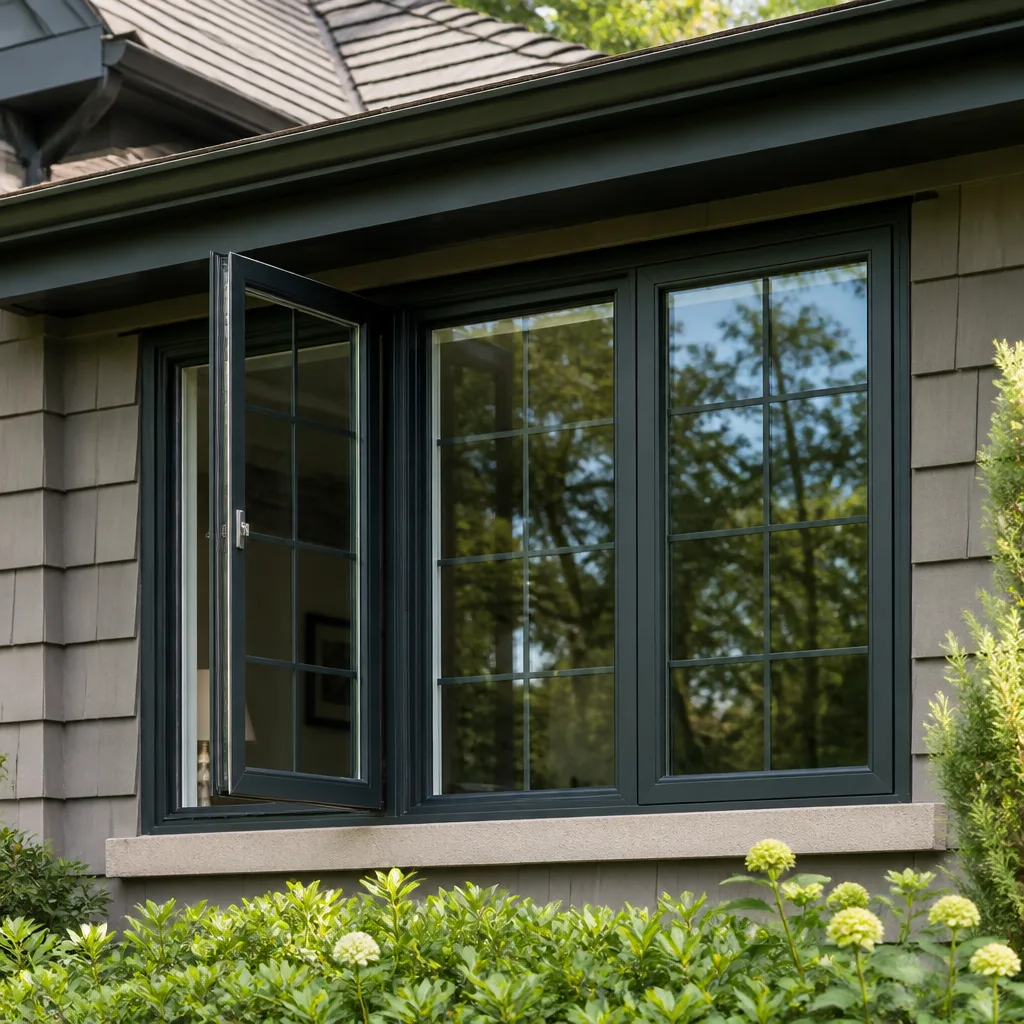
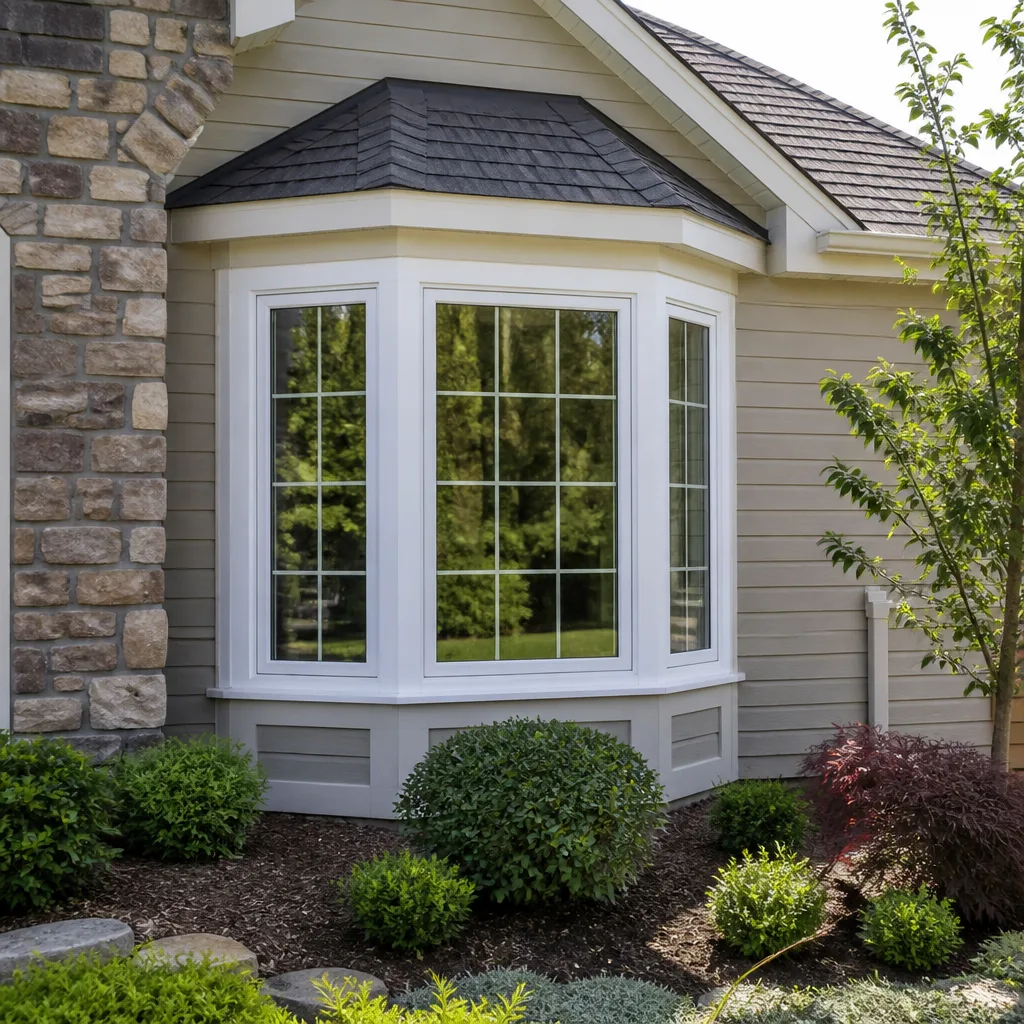
Sliding glass doors
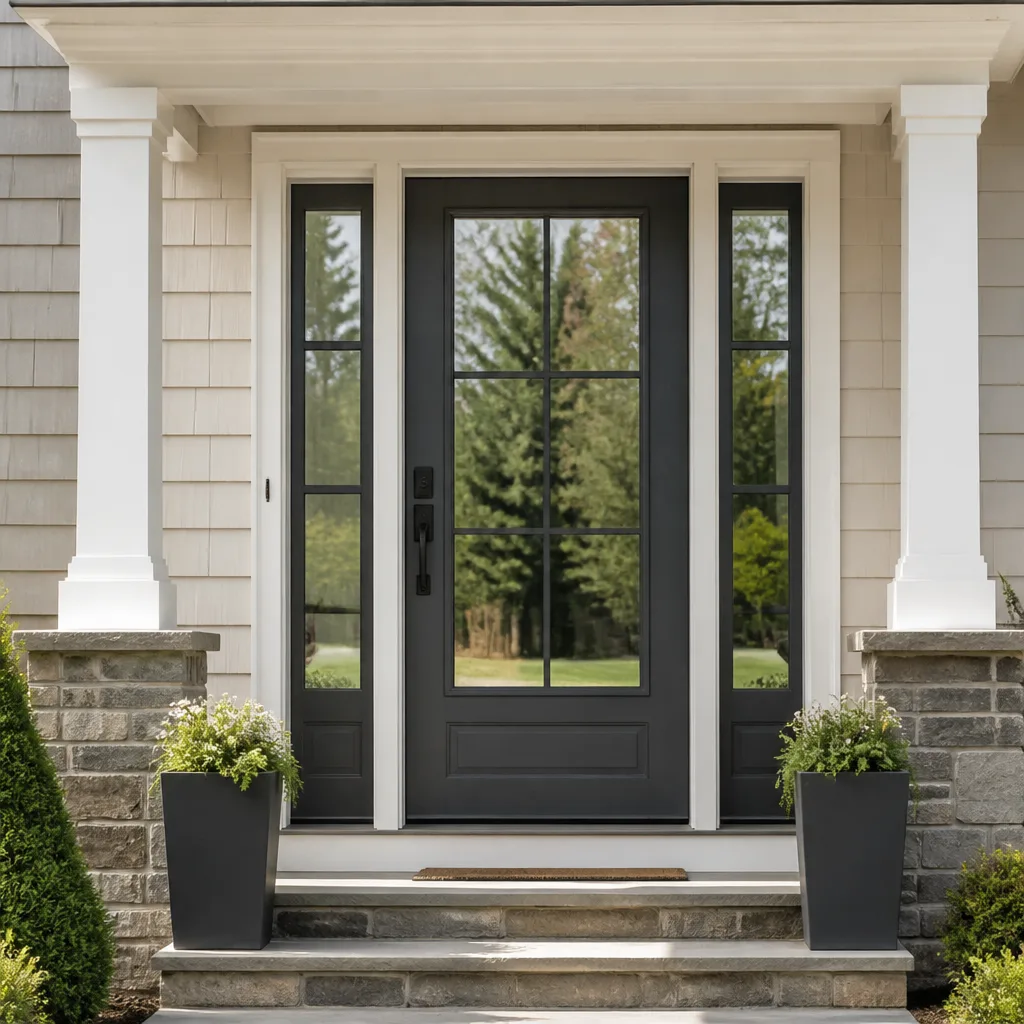
Impact garage doorsPGTCGI
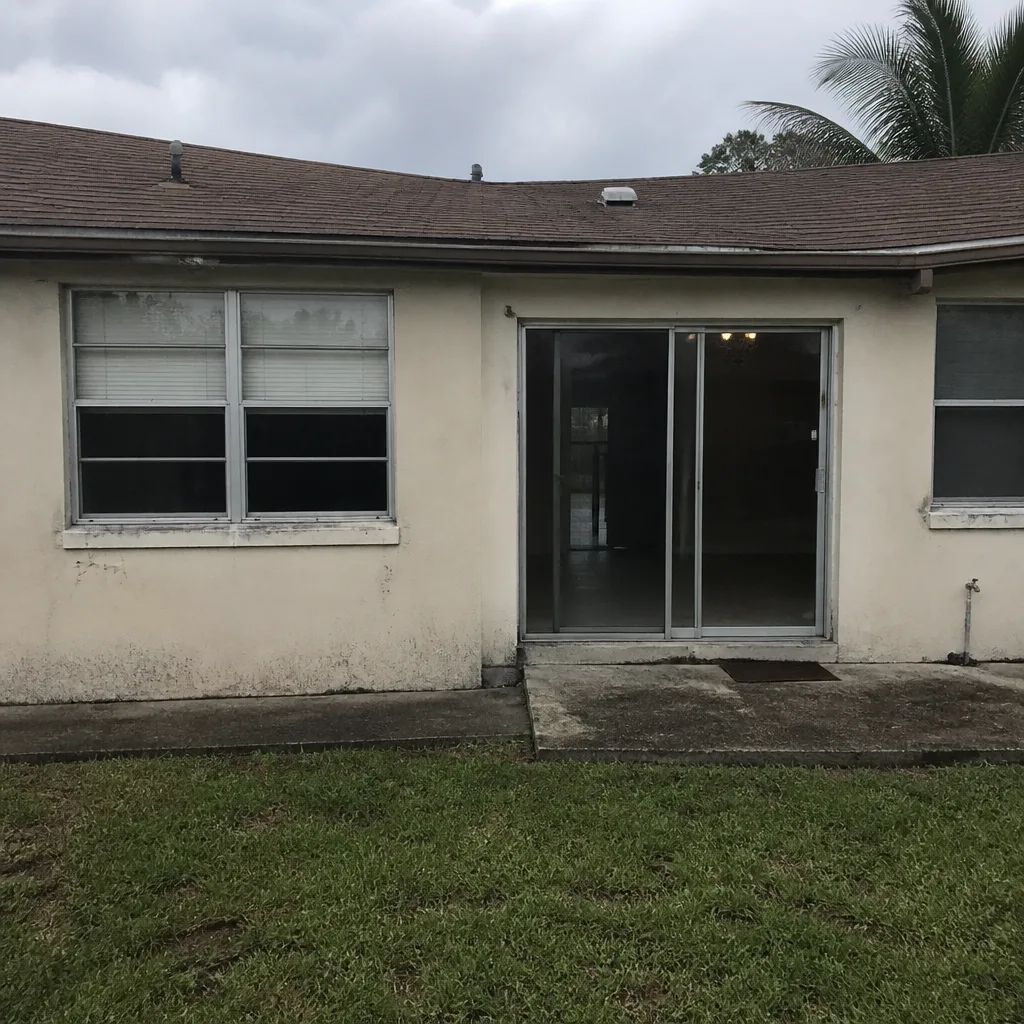 Before
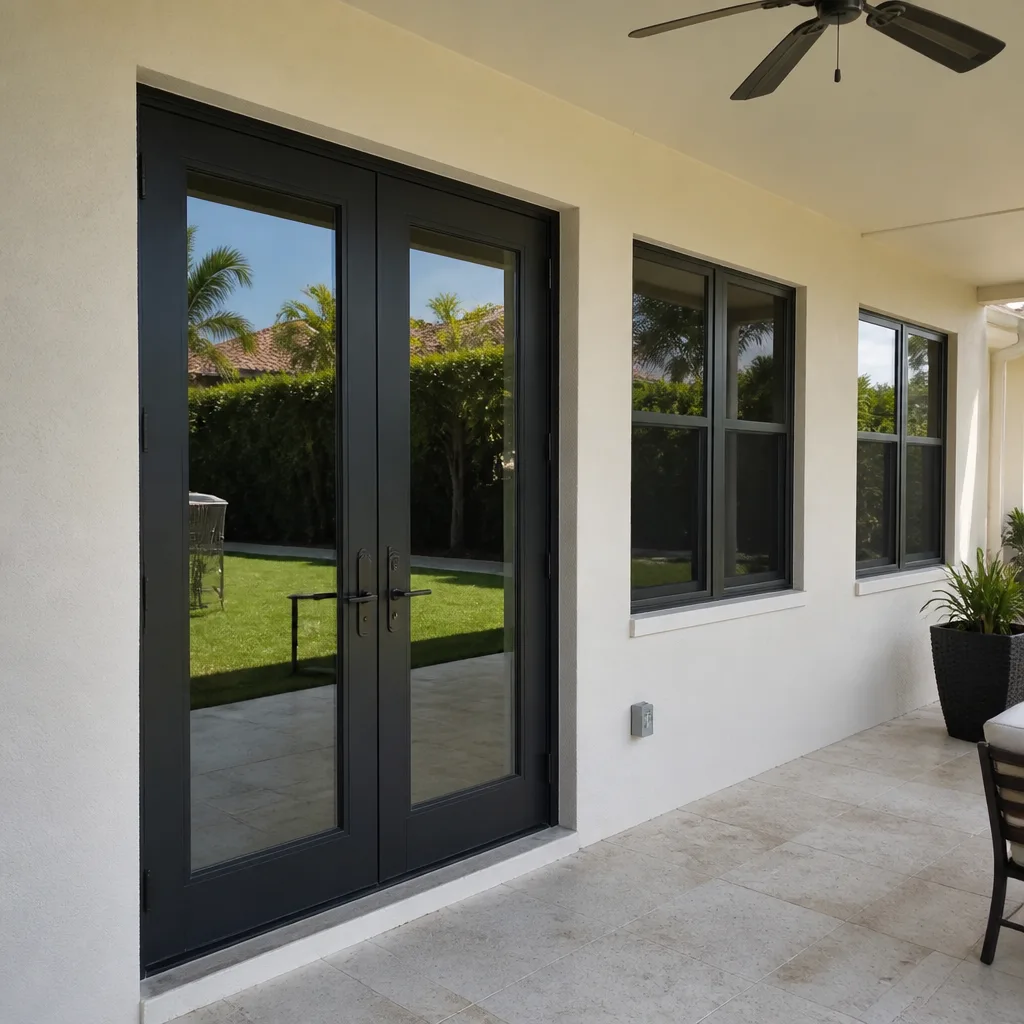 After
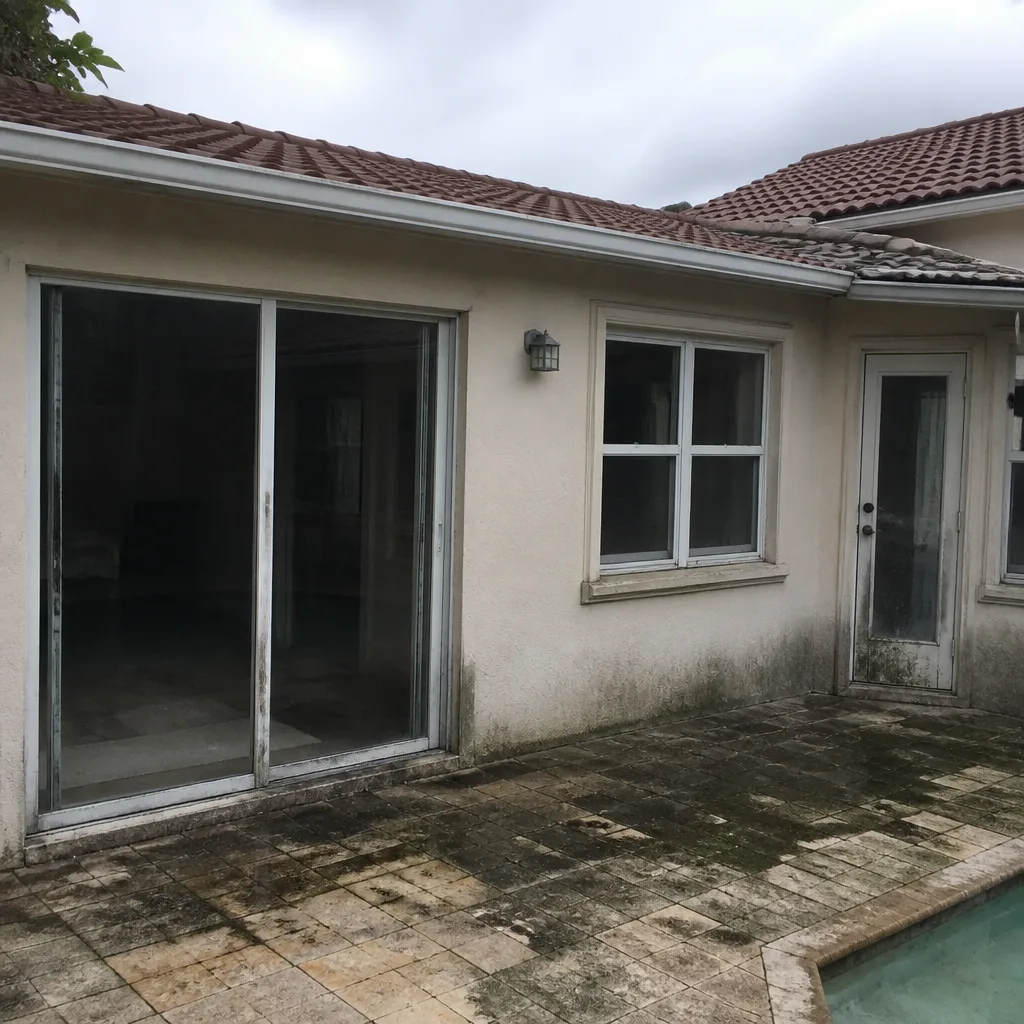 Before
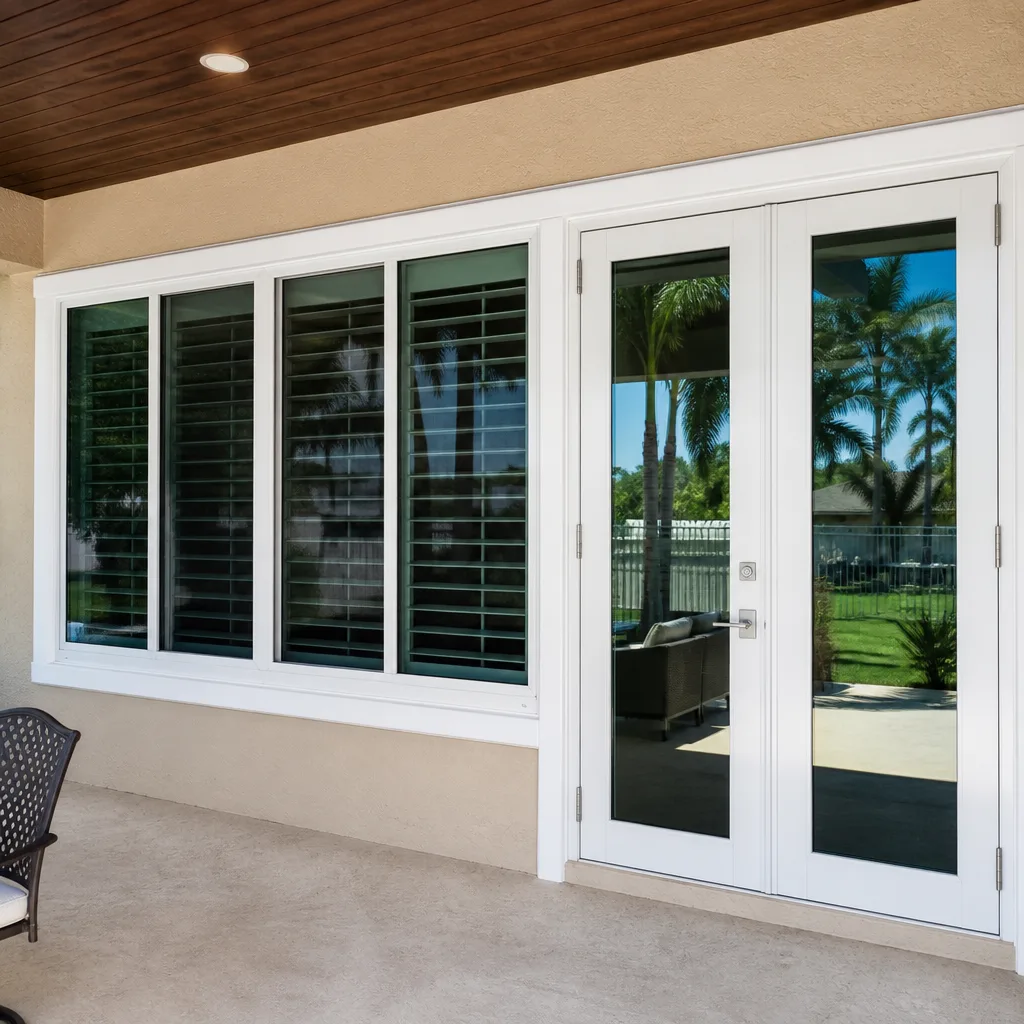 After
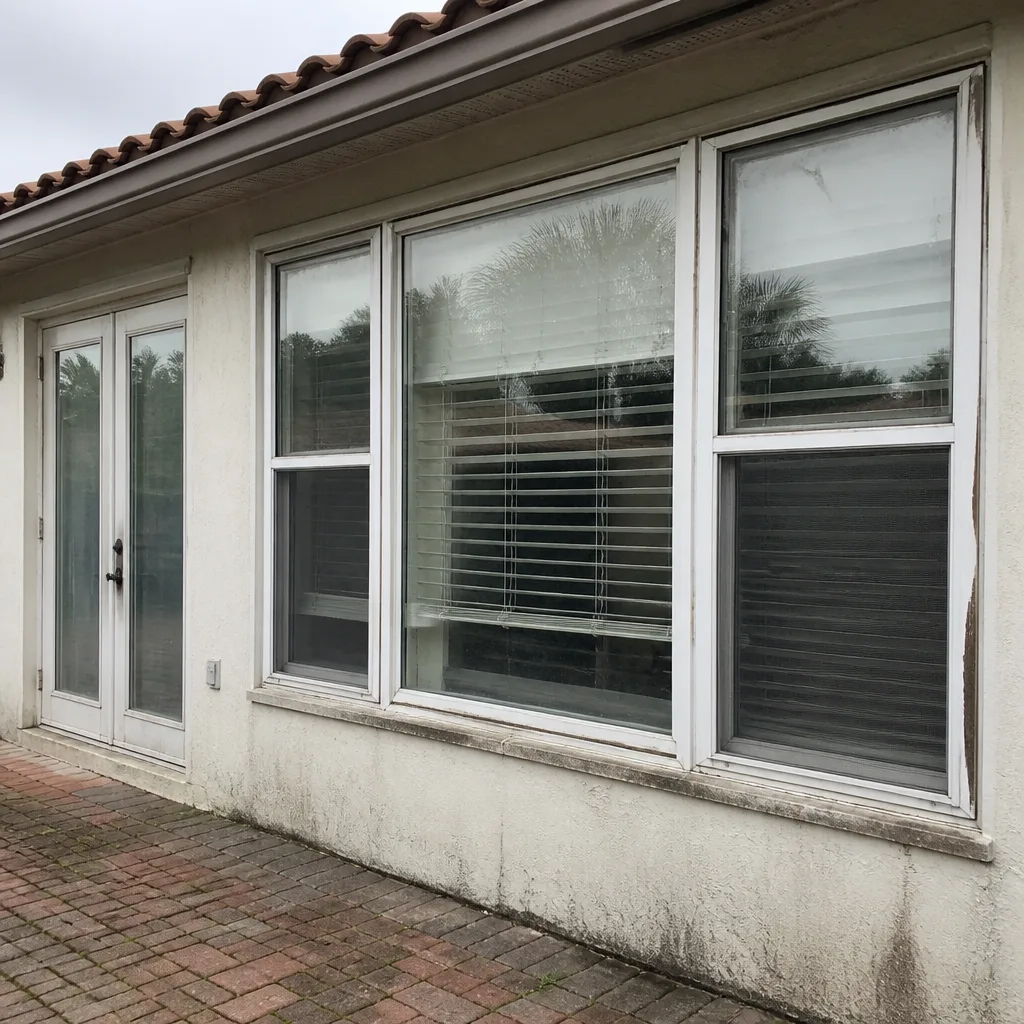 Before
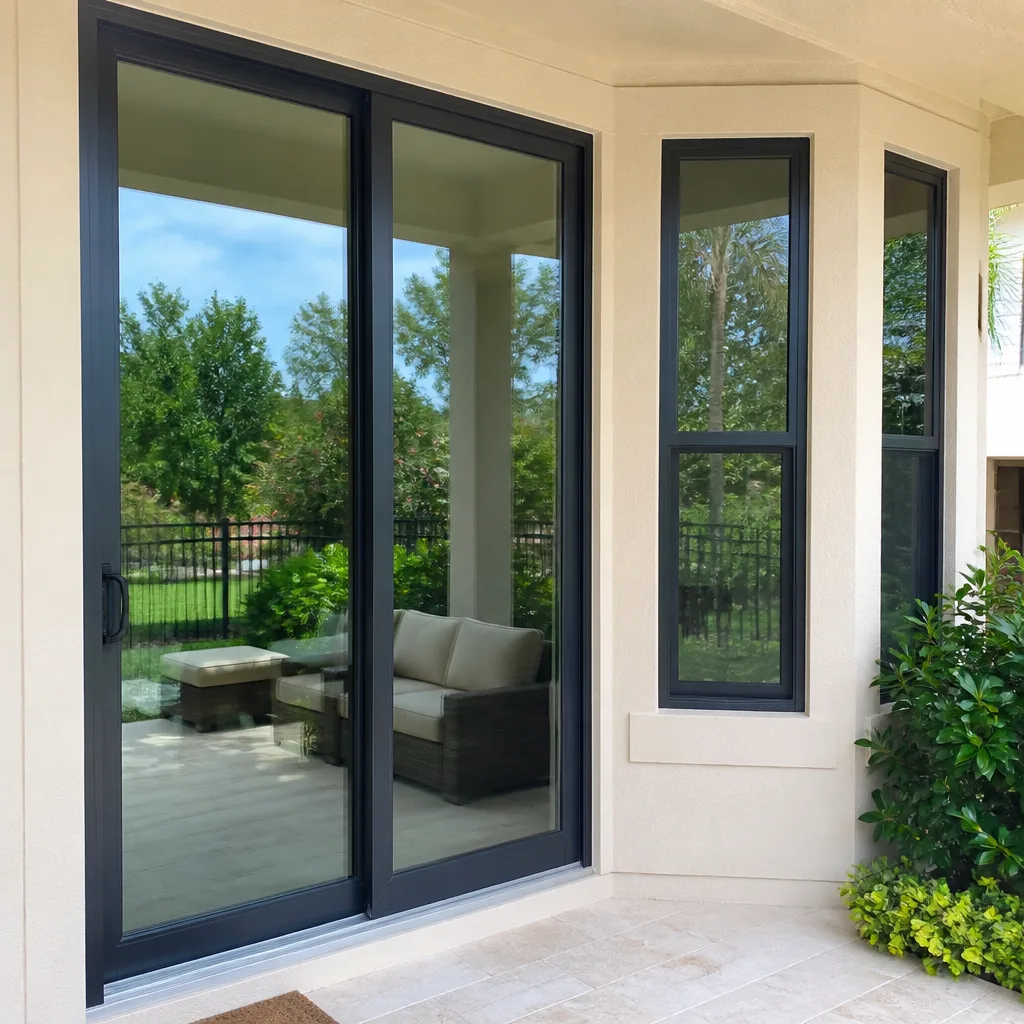 After
How to Hire a Windows & Doors Contractor in Wellington: A Step-by-Step Guide
Here’s something most Wellington homeowners don’t realize until it’s too late: the window or door itself is rarely the weak point in a replacement job. The installation is. A $900 entry door set into an out-of-square opening by someone rushing to the next job will bind in July, leak in August, and void its own warranty by September. What you’re actually hiring is not a product. You’re hiring a set of hands, a level, and a company’s willingness to come back when something isn’t right. This guide walks through every step of vetting, hiring, and working with a windows and doors contractor in Wellington, so the company you choose is the last call you need to make on the job. It draws on what we’ve learned over four decades of glazing work in Palm Beach County.
Quick Answer
Hiring a windows and doors contractor in Wellington starts with verifying their state license and insurance, then checking how long they’ve operated in Palm Beach County, reviewing manufacturer authorizations, and getting a written quote that itemizes materials, labor, permit costs, and warranty terms before any work begins. The single most important question to ask is whether both manufacturer warranty layers get registered in writing, with their durations stated, before the installer leaves your driveway. A contractor who can answer that clearly, and who will put it on paper, is worth more than any discount.
Table of Contents
- Step One: Verify the License, Insurance, and Local History
- Step Two: Ask About Manufacturer Authorizations and Warranty Registration
- Step Three: Get Written, Line-Item Quotes and Compare Them Honestly
- Step Four: Understand Wellington Permits and Wind-Load Requirements
- Step Five: Ask the Questions That Reveal a Contractor’s Real Standard
- Step Six: Know What a Proper Installation Sequence Looks Like
- Step Seven: Understand the Warranty Before You Sign
- Common Mistakes to Avoid
- When to Call a Professional
- Frequently Asked Questions
- The Bottom Line
Step One: Verify the License, Insurance, and Local History
Before you invite anyone into your Wellington home, you need to know three things: they hold a valid Florida contractor’s license, they carry current liability insurance and workers’ compensation coverage, and they have a real, trackable history in Palm Beach County. Not a PO box. Not a marketing website that launched six months ago. A physical footprint and a trail of completed work.
Here’s the order to check:
- Ask for the license number and verify it. In Florida, you can check a contractor’s license through the Department of Business and Professional Regulation. If a contractor hesitates to give you the number, that conversation is over.
- Request certificates of insurance. Liability insurance protects your home if something goes wrong during installation. Workers’ compensation protects you from being held liable if a worker gets injured on your property. Ask for the certificates, not a verbal assurance.
- Look for longevity in the community. In Wellington, we’ve seen contractors come through on the strength of one big storm season and vanish by the next. A company that has served Palm Beach County for decades has a reputation to protect. That matters more than any online review. TruePane Windows & Doors has been serving Wellington and the surrounding communities since 2008 through a craft tradition that started with second-generation glazier Dale Kessler. We plan to be in town in thirty years, and we work like it.
- Check county court records. A quick search of Palm Beach County civil records will tell you whether the contractor has been sued repeatedly by homeowners. Some disputes are normal in any trade. A pattern of them is not.
- Ask for recent Wellington references. Specifically Wellington. A contractor who works in Boca but has never set foot in Wellington may not understand the permitting process or the hoops our local building department requires. Ask for at least two references from the last six months, and call them.
This first step takes an hour. It eliminates most of the contractors who will cause you problems later. Do not skip it because the quote came in low or because someone seemed pleasant on the phone.
Step Two: Ask About Manufacturer Authorizations and Warranty Registration
Most homeowners assume that if they buy a Pella or Marvin window, the warranty is automatic. Here’s the fine-print truth: many window and door manufacturers void the warranty if an unauthorized installer does the work, or if the warranty registration paperwork was never filed correctly after installation. You can buy the best window made, and have zero warranty coverage, because the installer never registered it.
So the question is not just “Do you sell or Milgard?” The question is: “Are you an authorized installer for those lines, and will you register both warranty layers in writing before you leave my driveway?”
That second part is the one that separates a serious window company from a crew with a truck. Manufacturer warranties generally come in two layers: the glass or frame coverage and the component hardware coverage. Each has its own duration, its own terms, and its own registration deadline. If the registration is late, wrong, or entirely missing, the homeowner discovers it only when the seal fails four years later and the manufacturer says, “We have no record of this installation.”
We built The Keystone Standard specifically to close this gap. Every TruePane installation in Wellington receives both manufacturer warranty layers registered in writing, with durations stated, before the truck leaves the driveway. You don’t chase the paperwork. You don’t discover it wasn’t filed. You get it in your hand, on paper, the day the work is done. We are an authorized installer for more than a dozen manufacturer lines including, and we quote them side by side on paper so you can compare exactly what you’re buying.
Step Three: Get Written, Line-Item Quotes and Compare Them Honestly
A verbal estimate is worth the breath it takes to give it. A one-line email that says “Replace three windows: $4,200” is not a quote. It’s an opening number.
In Wellington, a legitimate window or door quote should include:
- The specific manufacturer and product line for every window or door, not just “double-hung window”
- The exact dimensions of every opening, measured on site
- Glass package details: Low-E coating, impact rating, energy efficiency rating, gas fill, spacer type
- Hardware and finish selections
- Scope of removal: who handles disposing of the old windows and doors
- Interior and exterior trim work, if needed
- Permit costs and who pulls the permit
- Labor costs broken out from materials
- Warranty terms, with durations stated in writing
- A start date and a completion date
When three quotes land on your table, the temptation is to look at the bottom line. Don’t start there. Start by comparing what’s actually in the quotes. A $6,000 quote for a PGT impact slider is a cheaper product than a $6,800 quote for a Marvin slider, yes, but it’s also not the same window. The honest comparison is between the same product line, the same glass package, the same scope of work. If a quote doesn’t itemize enough for you to make that comparison, ask for a line-item breakdown. If a contractor won’t provide one, walk.
Our standard at TruePane is fixed, upfront pricing with no surprise line items on the final bill. We quote manufacturer lines side by side on paper, so you can see what your money buys at each level. And a live person answers the phone at (561) 349-4826 when you have questions about the quote. Not a voicemail tree. Not a callback form.
Step Four: Understand Wellington Permits and Wind-Load Requirements
Wellington is in a high-velocity hurricane zone. That phrase changes everything about window and door installation in this village. It means impact-rated glass or approved shutter systems are not optional upgrades. They are code requirements for many openings, and the wind-load calculations must be done correctly for the product to pass inspection.
Here’s what you need to know:
- Permits are required for window and door replacement in Wellington. Not every contractor likes to pull them. Permits take time, they require inspections, and they leave a paper trail. Some contractors will offer to do the work without one to save money. Do not take that deal. Unpermitted work can become a problem when you sell the house, and if the work fails an inspection later, you pay twice.
- Impact-rated products carry specific certification labels. The product should bear a label or etching showing it meets Miami-Dade or Florida Building Code impact standards. The installer must place that label where it remains visible for the inspector. A serious contractor knows this without being told.
- Water intrusion is the silent failure in Florida window installation. The sealant system, the flashing, the sill pan, the drainage plane: these are the details that keep a Wellington afternoon thunderstorm from becoming a living room leak. This is where craftsmanship shows. A properly flashed window sheds water. A lazily caulked one hides the problem until the drywall stains.
- Inspections are not a rubber stamp. The village inspector will check that the work matches the approved plans and that the product meets the wind-load requirements. If the installer cut a corner, the inspection catches it, and the correction is on your schedule, not theirs. This is why we pull permits and stand behind the work through final inspection on every job.
Wellington’s code requirements exist for a reason: a window that fails in a storm becomes a hole in the side of your house, and the pressure differential that follows can lift a roof. The code is not bureaucracy. It’s engineering.
Step Five: Ask the Questions That Reveal a Contractor’s Real Standard
By now you’ve checked the license, verified the authorizations, and compared line-item quotes. What remains is the interview. Here are the questions that separate a company with a craft standard from a crew that shows up with a caulk gun and a smile:
“What happens if I find something wrong after the job is done?”
Listen to how they answer. A defensive answer, an explanation of why customers are usually wrong, or a vague “we’ll take care of it” without a mechanism is a red flag. There should be a defined process and a written promise. Our answer is the Done Right Promise: if it’s not done right, we make it right. No paperwork fights, no fine print, no arguing. It’s the standard on the first visit and the baseline for every callback.
“Who will be doing the work in my home?”
Subcontracted labor is common in this trade. Ask directly: “Are your installers your own employees?” A company that sends background-checked, uniformed technicians working in your home the way they’d work in their own mother’s home is a different kind of company. We hire local, train apprentices into journeymen, and put our own people on the job. No day labor from a parking lot.
“How do you measure?”
The correct answer is: we measure every opening twice, on site, in person, before ordering. A contractor who quotes from your window sizes over the phone is guessing. A quarter-inch error on a window opening becomes a shim job at best and a replacement order at worst.
“What does your warranty actually cover, and for how long?”
If the answer is “it’s a standard warranty,” push until you get durations. Years, in writing. For the glass, for the frame, for the hardware, for the installation workmanship. If a contractor won’t state the durations, assume the warranty is shorter than you’d like.
Step Six: Know What a Proper Installation Sequence Looks Like
You don’t need to know how to install a window to know whether the installer is doing it right. You need to know what the sequence should look like, so you can see a shortcut when it happens.
A proper window or door installation in Wellington follows this sequence:
- Protect the work area. Drop cloths, floor protection, plastic over doorways if needed. Done before any work begins.
- Remove the existing unit cleanly. No tearing of the surrounding drywall, no damage to the interior trim where it’s being reused, no debris left in the opening before the new unit goes in.
- Inspect the rough opening. This is the step hasty installers skip. The rough opening is checked for square, for plumb, for water damage, for rot. Problems found here get fixed before the new unit goes in, not papered over.
- Set the new unit level and shimmed correctly. A window that is not true in its opening will operate poorly and wear its hardware out early. If the pane is not true, the job is not done.
- Flash and seal the exterior. The sill pan, the flashing tape, the sealant beads. This is the water defense, and it must follow the manufacturer’s installation instructions exactly, not a shortcut someone learned on YouTube.
- Insulate the gaps. Low-expansion foam around the frame, where the manufacturer specifies, so the window doesn’t leak air.
- Trim and finish the interior. Clean lines, tight joints, no caulk blobs.
- Register the warranties. Both manufacturer warranty layers, in writing, before the installer leaves your driveway.
- Walk the job with the homeowner. You see the windows operate. You see the warranties. You know the permit inspection is scheduled.
If an installer skips step three or step eight, the job is not done, regardless of how good it looks in the sunlight. Most Wellington homeowners who call us after a bad install can point to one of these steps being skipped, even if they didn’t know the name for it at the time.
Step Seven: Understand the Warranty Before You Sign
Warranty language is where honest contractors separate from the rest. The problems are never in the first sentence. They’re in the exclusions, the transferability clauses, and the fine print about labor coverage.
Here are the questions to ask:
- Does the workmanship warranty cover labor, or just parts? A ten-year parts warranty with no labor coverage means you pay the installer to come fix a failed part. That’s not a warranty. That’s a discount coupon.
- Is the manufacturer warranty transferable if you sell the home? Wellington is a community where people move, and the next homeowner will ask. A transferable warranty adds resale value.
- Who handles the claim if something fails? You want the contractor to handle the manufacturer claim on your behalf, not hand you a 1-800 number and wish you luck.
- What voids the warranty? Some warranties are voided by the installation method itself. This is why manufacturer authorization matters. If the installer was never authorized, the manufacturer’s warranty may have been void from the first day.
- Is the registration on paper? An emailed PDF is fine. A verbal “we registered it” is not. Get it in writing.
The Keystone Standard exists because we’ve seen too many Wellington homeowners holding a warranty that wasn’t worth the paper it was printed on, because the registration was never filed. Both manufacturer warranty layers registered in writing. Durations stated. No arguing. That’s the standard, and we put it on every job.
Common Mistakes to Avoid
- Hiring the cheapest bid without comparing scope. In Wellington, a cheap window quote usually means the contractor skipped the permit, used unlicensed labor, or quoted a lower-grade product without telling you. The savings come out somewhere, and you find it later.
- Not verifying manufacturer authorization. A contractor can sell you an Andersen window without being an authorized Andersen installer. The window is real. The warranty isn’t.
- Accepting a verbal warranty. If it isn’t on paper with durations stated, it isn’t a warranty. It’s a hope.
- Skipping the permit. Unpermitted work in Wellington can block a home sale, fail a wind mitigation inspection, and leave you with no recourse when the work fails. The permit is your protection.
- Ignoring the water management details. Most window failures in South Florida are not glass breakage. They’re water intrusion from bad flashing and sealant work. Ask how the installer handles sill pans and flashing, and listen for a real answer.
- Hiring based on a single online review site. Reviews can be bought, filtered, and gamed. A 42-year history in the community, a physical shop, and references whose names and addresses you can verify are worth more than any star rating.
- Rushing the decision because a contractor pressured you with a “today only” discount. The company that plans to be in Wellington in thirty years doesn’t need to pressure you today. The one that won’t be here next year does.
When to Call a Professional
You should call a professional windows and doors contractor when the window is fogged between the panes, the seal has failed, the door binds in the frame, or the frame shows signs of rot or water staining. These are not weekend projects. A fogged seal means the insulated glass unit has lost its gas fill, and the fix is a new IGU installed correctly. A binding door in July is often a thermal expansion issue that needs a properly shimmed frame, not a stronger yank on the handle. And a rotted frame in Wellington’s humidity is often the visible edge of a water intrusion problem that has been quietly failing for years. If you’re unsure whether it’s a repair or a replacement, call a contractor who will give you an honest assessment, not a sales pitch. TruePane Windows & Doors offers free estimates in Wellington, call (561) 349-4826.
Frequently Asked Questions
Window replacement in Wellington typically costs between $600 and $2,800 per opening, depending on the product line, glass package, impact rating, and installation complexity. Impact-rated windows and doors run higher due to the laminated glass and heavier frames required for the high-velocity hurricane zone. A standard single-hung replacement may cost between $600 and $1,200, a quality double-hung or casement unit between $900 and $1,800, and a large impact sliding glass door can exceed $4,000. These are installed prices including trim work, permit, and warranty registration. Call (561) 349-4826 for an exact line-item quote, free estimates are our standard.
Yes, Wellington requires a building permit for window and door replacement, and the work must pass a village inspection after installation. The permit process includes submitting the product specifications so the village can verify the units meet wind-load requirements for the high-velocity hurricane zone. TruePane pulls the permit and stands behind the work through final inspection on every job. Call (561) 349-4826 if you’d like us to walk through the permit requirements for your specific openings.
The best window brand for a Florida home depends on your budget, your home’s wind exposure, and whether you want impact-rated products. Authorized installer lines we work with include Andersen, Pella, Marvin, and Milgard, each with strong Florida-compliant options at different price points. The installation matters as much as the brand: a great window installed poorly will fail, and its warranty will be void. We quote manufacturer lines side by side on paper so you can compare exactly what you’re buying. Call (561) 349-4826 and we’ll walk through the options with no pressure.
Most window replacement jobs in Wellington are completed in a single day once the product is on hand, though larger multi-opening projects can take two to three days. The permitting and product ordering window typically runs two to six weeks depending on the manufacturer. We complete most jobs in a single visit, and cleanup is included. Call (561) 349-4826 for an accurate timeline on your specific openings.
The Keystone Standard is the warranty standard on every TruePane job: both manufacturer warranty layers registered in writing, with durations stated, before the truck leaves the driveway. It also includes the Done Right Promise on workmanship, if it’s not done right, we make it right, no paperwork fights and no arguing. This is the standard on the first visit and the baseline for every callback. Call (561) 349-4826 to see your warranty terms in writing before you sign.
Yes, TruePane offers a permanent 5% discount for seniors and veterans on every job. We also offer a free written repair estimate and a maintenance check. Mention the discount when you call (561) 349-4826 and we’ll apply it to your quote.
The Bottom Line
Hiring a windows and doors contractor in Wellington comes down to this: verify the license, the insurance, and the history first. Then insist on manufacturer authorization and written warranty registration with durations stated on paper. Get line-item quotes you can compare honestly, and never skip the permit. The company you want is the one that answers the phone when you call, puts its promises in writing, and plans to be in Wellington long enough to stand behind the work. That’s the standard we built TruePane on, and it’s the standard we bring to every window and door we set. Call (561) 349-4826 for a free estimate, and we’ll show you what a written warranty looks like.
Written by Dale Kessler, Owner at TruePane Windows & Doors, serving Wellington since 2008.
Six Reasons Homeowners Choose TruePane Windows & Doors
Impact systems engineered to design pressures up to +/-100, matched to your wind zone - your openings hold when the storm arrives.
Low-E insulated impact glass from our manufacturer lines commonly cuts monthly cooling bills 20-30%.
Laminated impact glass shuts out up to 40% of outside noise - traffic, neighbors, weather.
Monitoring services run $30-90 a month. Laminated impact glass resists forced entry around the clock, with no subscription.
Florida homeowners average around 25% savings on the windstorm portion of their policy after protecting every opening - some homes qualify for more.
A full impact package upgrades curb appeal, buyer confidence and appraised value in one project.