
Last updated August 27, 2026
Free in-home measure and quote - PGT, CGI and CWS impact lines compared on your actual openings, style by style
Sliding glass doors
Impact garage doorsPGTCGI
 Before
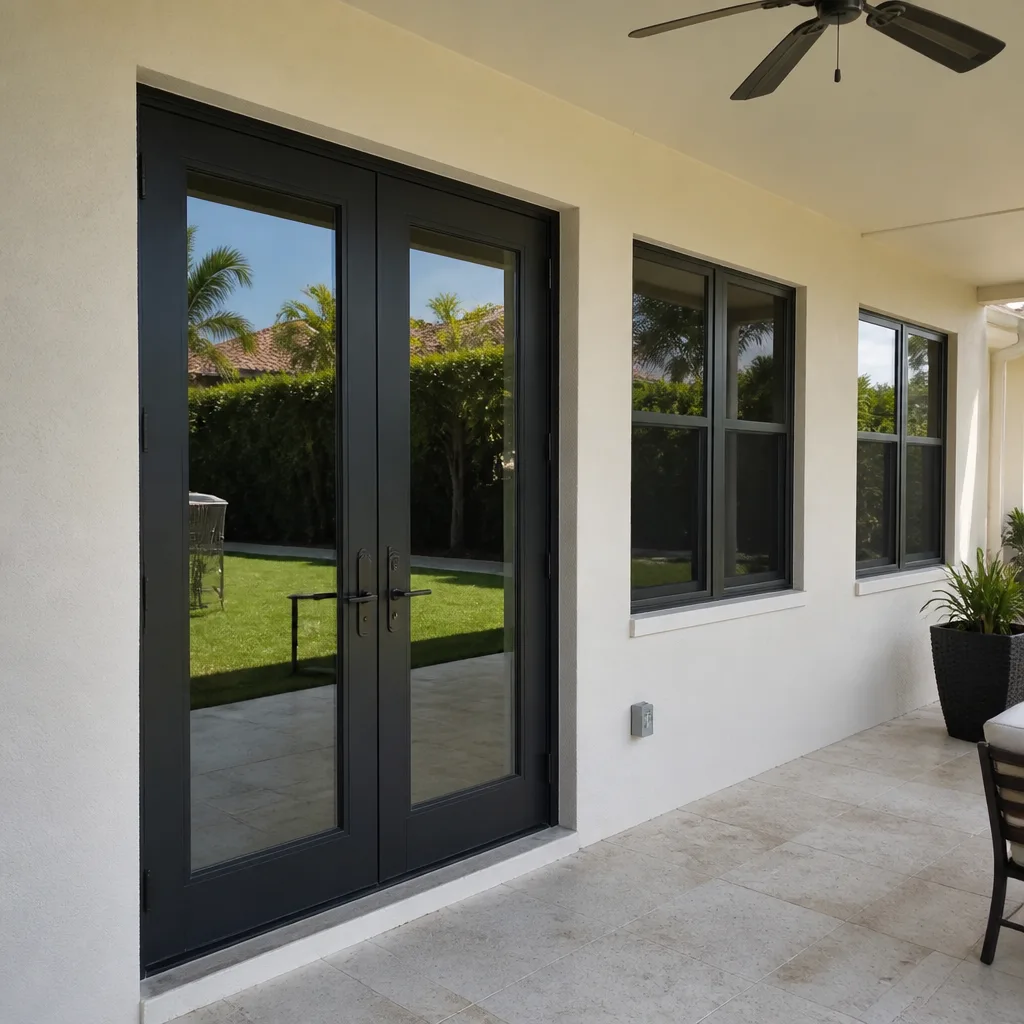 After
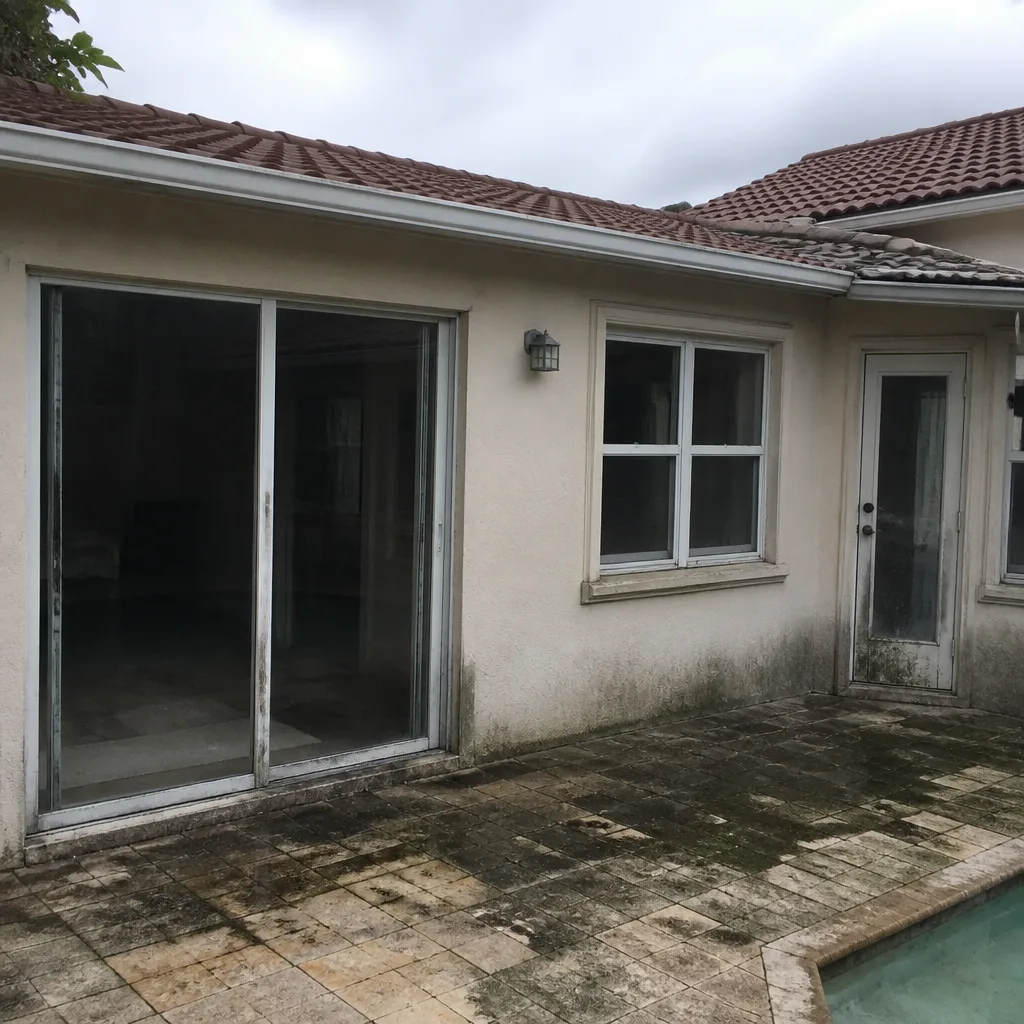 Before
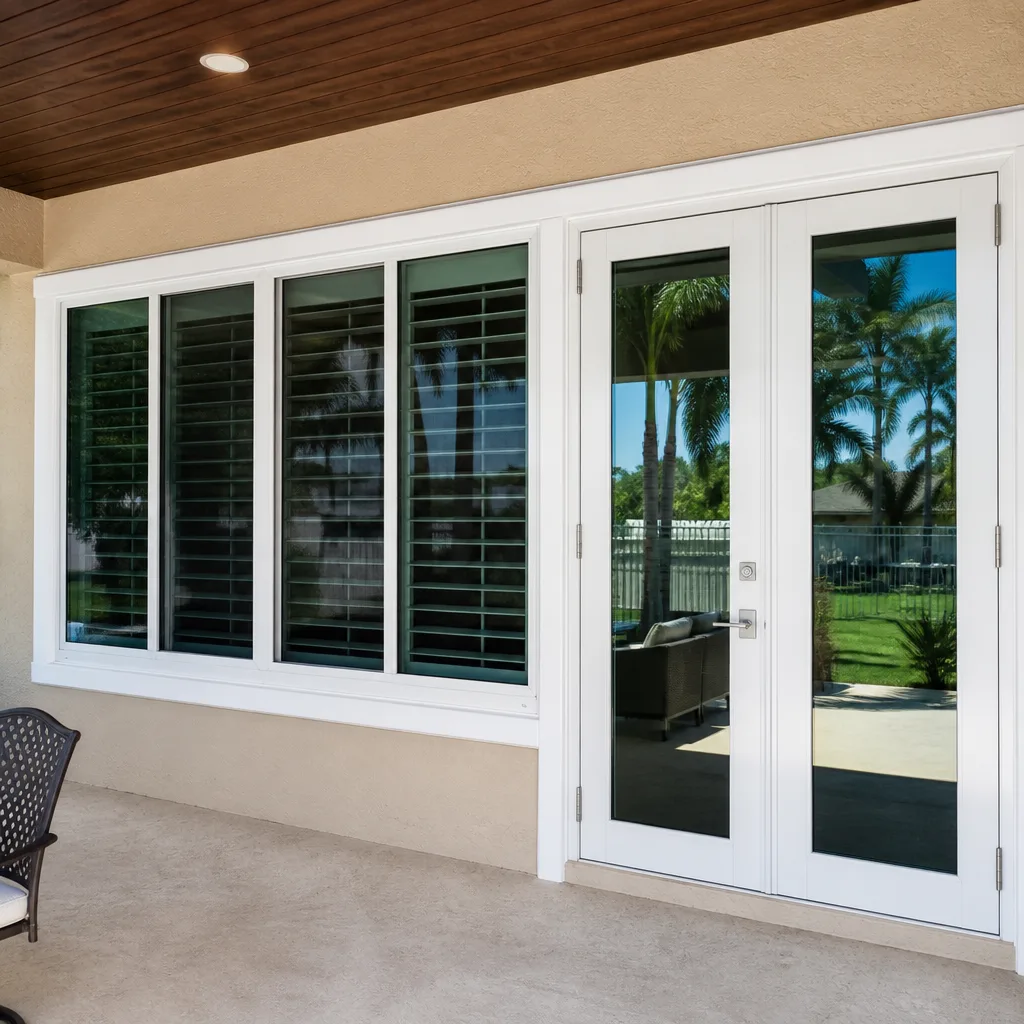 After
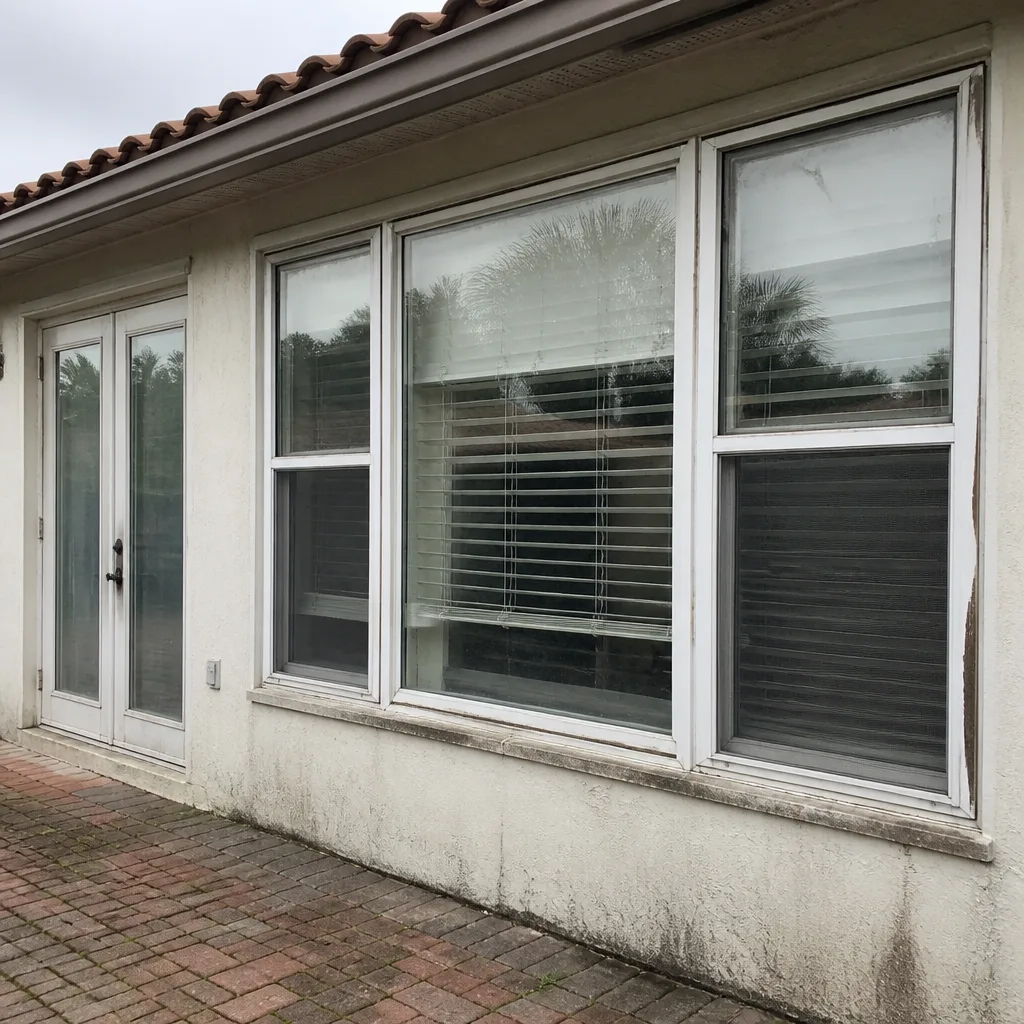 Before
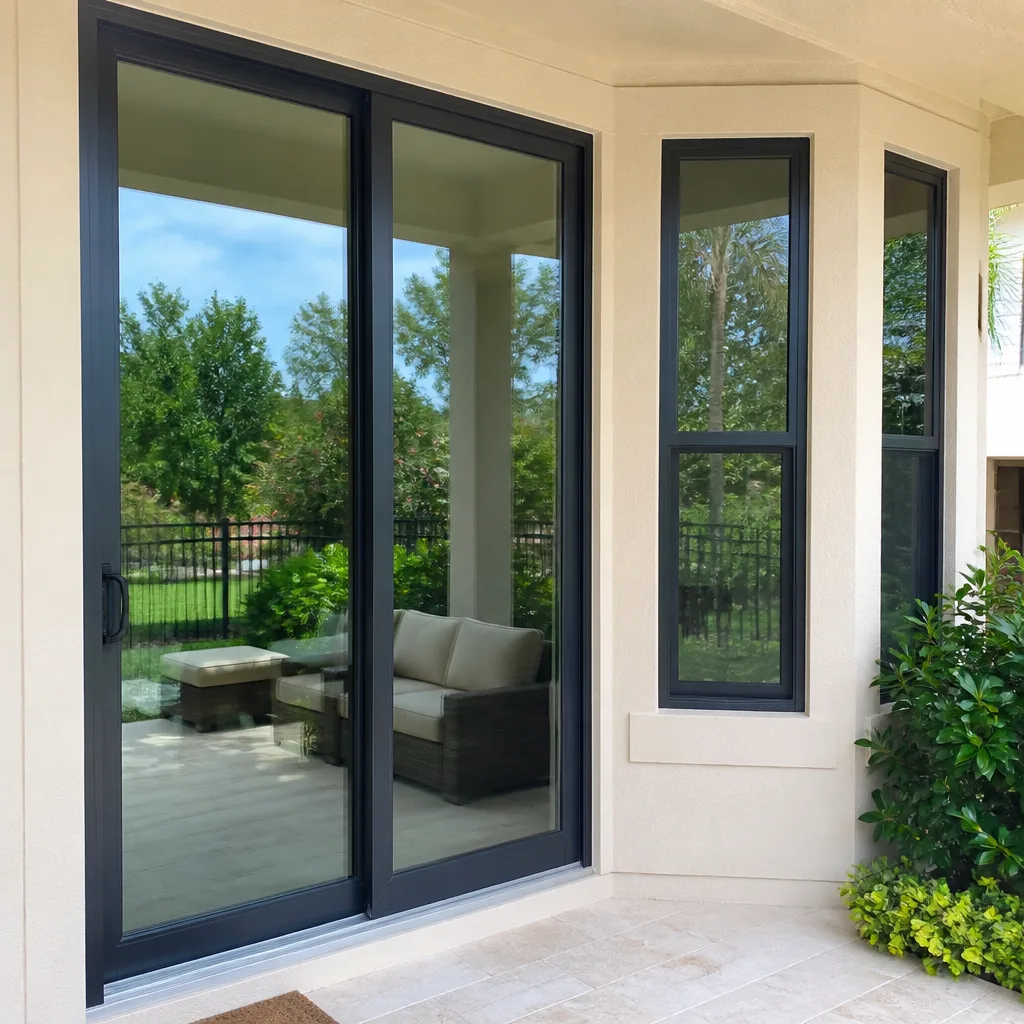 After
Windows & Doors Warning Signs: A Wellington Homeowner’s Reference Guide
Most Wellington homes built before 2005 are now entering the window of time, if you’ll pardon the phrase, where original window and door assemblies begin to fail in predictable, expensive ways. Here’s the counterintuitive part homeowners often miss: a window that still opens and closes can be quietly costing you two to three hundred dollars a year in wasted cooling, and a sliding door that binds slightly in August is often one seasonal shift away from a warped frame and a four-figure replacement. This guide is built from what we’ve seen on thousands of service calls across Wellington over more than four decades. You’ll learn which warning signs are cosmetic, which ones demand immediate attention, what causes them in our specific climate, and what a fair repair should cost.
Quick Answer
Windows and doors in Wellington typically show five warning signs before failing outright: condensation or fog between glass panes, visible rot or softness at the sill and frame corners, drafts you can feel from two feet away, a door or sash that binds, sticks, or won’t latch, and frames that have shifted enough to show daylight at the corners. If you’ve spotted any one of these, the underlying issue is almost certainly worse than what you can see, and the repair will cost less today than it will after another rainy season or hurricane cycle.
Table of Contents
- Fogged or Cloudy Glass: What It Means and What It Costs
- Rot, Softness, and Discoloration at Frames and Sills
- Drafty Windows and Doors: How to Find the Leak Before It Finds You
- Binding, Sticking, and Doors That Won’t Latch
- Frame Shift, Daylight, and Drywall Cracks: The Structural Clues
- Impact Windows: Warning Signs Specific to Wellington’s Code Environment
- What Repairs and Replacements Cost in Wellington Right Now
- Common Mistakes to Avoid
- When to Call a Professional
- Frequently Asked Questions
- The Bottom Line
Fogged or Cloudy Glass: What It Means and What It Costs
Fogged or cloudy glass between the panes means the insulated glass unit, what the trade calls the IGU, has lost its seal. The inert gas, usually argon, has escaped, and the desiccant material inside the spacer bar has reached its moisture-absorption limit. Once that happens, the fog you see is condensation trapped permanently inside the unit. It will not dry out. It will not get better in the summer. The only real fix is replacing the glass unit or the entire sash.
In Wellington’s climate, seal failure happens faster than in drier parts of the country. The combination of high humidity from May through October, intense UV exposure on south-facing and west-facing elevations, and the thermal expansion cycle that comes with air-conditioned interiors and 92-degree afternoons puts constant stress on the flexible sealant that holds the glass unit together. We see seal failure on houses in The Isles, Olympia, and Palm Beach Polo as early as the 12-year mark, especially on large fixed picture windows that bake in direct sun all afternoon.
Here’s what to look for:
- A milky or hazy film on the inside of the glass that you cannot wipe off from either side.
- Water droplets or streaking that appear between the panes after a heavy rain or a cold morning.
- A slight distortion in the glass reflection, especially when viewed from an angle at dusk.
- Windows that look different from their neighbors in the same room, some clear, some fogged.
Replacing just the glass unit runs roughly $180 to $350 per window in Wellington for standard sizes, depending on whether the window is fixed or operable, whether the glass is low-E or clear, and whether the frame requires any disassembly to get the new unit seated. Full sash replacement runs higher. We’ve written a separate guide on hurricane impact windows in Wellington if you’re weighing the difference between glass-only replacement and stepping up to code-compliant impact glass.
Rot, Softness, and Discoloration at Frames and Sills
Wood windows in Wellington do not rot from the rain alone. They rot from water that gets in and cannot get out. Sill corners, the bottom rail of a double-hung, and the area where a door threshold meets the jamb are the three places we find it first. The warning signs start visual: paint that bubbles or peels in a pattern that doesn’t match sun exposure, a dark stain that spreads from a joint, or a line along the bottom of the sill that holds moisture well after everything around it is dry.
- Run your thumb along the bottom edge of the sill and the lower corners of the frame. Softness, even slight sponginess, means the wood fibers have begun to break down.
- Look for discoloration that starts at a seam or corner, not in the middle of a flat surface. Water always enters at a joint, so stains that radiate from a joint are structural, not cosmetic.
- Check the exterior of the threshold on every exterior door. The joint where the threshold meets the side jamb is the single most common rot point on any Wellington home.
- Test the corners of the window frame with a probe. A flathead screwdriver pressed lightly into the wood should meet resistance. If it sinks in at all, that wood needs to come out.
Rot repair on a single window frame in Wellington generally starts around $350 and goes up based on how much structural material must be removed and how the new pieces are spliced in. If the rot has reached the rough opening, that’s a full-frame replacement scenario, not a patch job. The longer soft wood sits in place, the more likely you are looking at a $1,200 to $2,800 full-frame replacement instead of a repair that could have been done for a third of that cost a year earlier.
Drafty Windows and Doors: How to Find the Leak Before It Finds You
A drafty window in Wellington usually is not actually a window problem. In our experience, more than half of all “drafty window” complaints turn out to be failed weatherstripping on the sash or door, a wall plate that was never sealed at the rough opening, or a dead gasket on a slider. Only after those are ruled out do we look at the glass unit or the frame itself. The reason this matters is cost: replacing a weatherstrip costs $75 to $150. Replacing a window costs $800 to $2,500. The FPL bill reflects both the same way.
Here’s the sequence we use when a Wellington homeowner calls about a draft:
- Close and lock every window and door in the room. Unlocked sashes do not compress the weatherstripping, and a surprising number of “drafts” disappear when the lock is actually engaged.
- Hold a piece of tissue paper or a length of thread near the edges of the frame, about two inches away, on a day when there’s any wind at all. Movement means air is moving through the seal.
- Check the bottom sweep on every exterior door. In Wellington, these take a beating from the wet season, and a worn sweep is the most common door draft source we find.
- Inspect the caulk line on the exterior perimeter of the window, top to bottom. Shrunk, cracked, or missing caulk at the wall joint is a direct air leak into the wall cavity.
- If all of those check out and the draft persists, the issue is likely a failed spacer in the glass unit or a gap at the rough opening behind the trim, which requires pulling the trim to inspect.
For a more detailed look at what a repair involves, our guide on sliding glass door repair in Wellington covers the specific failure points we see on older sliders in this market, including worn rollers and failed interlocks that read as “drafts” but are actually alignment issues.
Binding, Sticking, and Doors That Won’t Latch
A door that binds in Wellington is almost always the hinge side settling, not the door changing shape. Wood frames move with seasonal moisture, and in our climate, the wet season from June through November causes door frames to swell and shift more than most homeowners realize. The result is a door that closes fine in January and drags along the jamb by August, or a deadbolt that no longer lines up with its strike plate even though nothing visible has changed.
The warning signs go beyond the obvious drag:
- A deadbolt or latch that requires lifting the handle to engage, or one that scrapes the edge of the strike plate.
- A visible gap at the top of the door that is wider on one side than the other.
- A door that swings open or closed on its own when left ajar, which indicates the frame is out of plumb.
- Uneven wear on the bottom edge of the door or the threshold plate.
- A dragging sound that gets worse in the afternoon, when the sun hits the door face and expands the slab.
Some of these are adjustments, not replacements. Re-shimming a hinge, planing a door edge, or resetting a strike plate runs $120 to $250 in the Wellington market. But when the frame itself has twisted or the rough opening has settled, the adjustment buys you a season or two at best. At that point, the honest recommendation is a new pre-hung unit, which carries a typical installed cost of $1,400 to $3,800 depending on size, material, and whether you’re upgrading to impact-rated glass while you’re at it.
Frame Shift, Daylight, and Drywall Cracks: The Structural Clues
Here’s the warning sign most Wellington homeowners miss entirely: drywall cracks that radiate diagonally from the upper corners of window and door openings. These cracks are not a drywall problem. They are the house telling you that the opening has moved, and the opening moves when the wall has settled, the lintel has shifted, or the original rough opening was overcut and never properly shimmed. The window or door is often just along for the ride.
Signs that deserve immediate attention:
- Daylight visible through the gap between the window frame and the wall, from the inside, with the window closed and latched.
- Baseboards or casing trim that has pulled away from the wall at the corner of an opening, especially above a wide window or patio door.
- Cracks in the drywall that form a diagonal line running from the upper corner of an opening outward, often paired with a smaller crack on the opposite lower corner.
- A floor that feels “soft” or slopes slightly near an exterior door, especially in older Wellington neighborhoods built before current slab standards.
- Windows that are visibly not square, meaning you can see the gap between the sash and the frame is wider at one end.
This is the category where we tell homeowners to stop guessing and get eyes on it. Structural movement is not something you caulk over. A thorough inspection of the rough opening, the lintel, and the surrounding wall costs nothing when you’re getting an estimate, but ignoring the warning signs can turn a $400 opening repair into a $4,000 structural fix. For Wellington homeowners in older sections of the community, like the original villages and the homes along Greenview Shores built in the 1980s, we find these frame shifts more often than in the newer developments west of 441.
Impact Windows: Warning Signs Specific to Wellington’s Code Environment
Wellington sits in one of the highest wind-load zones in the state. Since the 2001 Florida Building Code went into effect, any window replacement in a home within the wind-borne debris region has had to meet impact standards or be protected by an approved shutter system. What this means for the homeowner is that impact windows carry their own set of warning signs, and some of them are different from standard windows.
The most important one: a scratch on the glass surface of an impact window is not just cosmetic. The tempering and laminate layers on an impact-rated unit are engineered to the millimeter, and deep scratches on the inner or outer glass pane can compromise the pressure rating. If a landscaping rock or a hurricane-season branch has left a scratch you can catch with a fingernail, that pane no longer carries its full design pressure rating. It will not shatter, but it may not hold the rating your insurance company thinks it has.
Other impact-specific warning signs:
- A visible whitening or “milking” at the edges of the laminate layer, indicating the polyvinyl butyral interlayer is breaking down, usually from long-term sun and heat exposure along the frame edge.
- Negative deflection: any window that flexes inward more than a half-inch under hand pressure is losing its structural grip on the frame.
- Silicone seals that have cracked or separated from the glass on the interior side, especially around the perimeter of fixed impact units.
- Frames that show corrosion at the corners on aluminum impact windows, common on Wellington homes within a mile of canal or lake exposure where the air carries more salt and moisture.
We’ve installed and repaired impact lines from Andersen, Pella, and Marvin in Wellington for years, and the rules are the same across manufacturers: the system is only as strong as its weakest seal, its least-square frame, and its least-damaged pane. Impact glass protects by design, but only while the design is intact.
What Repairs and Replacements Cost in Wellington Right Now
Here’s the honest price structure in the Wellington market as of this writing. These are line-item ranges we quote every week, not generic national averages. They assume a single-family home, standard opening sizes, and local permitting where required.
- Weatherstripping replacement (single door or window): $75-$150
- Glass unit replacement (standard IGU, no impact rating): $180-$350 per unit
- Sash replacement (double-hung or horizontal slider, standard size): $250-$600 per sash
- Rot repair (sill or corner, contained to one opening): $350-$900
- Full-frame window replacement (standard vinyl, non-impact, installed): $800-$1,800 per opening
- Full-frame impact window replacement (installed, permitted): $1,300-$2,900 per opening
- Sliding glass door replacement (standard 72×80, non-impact): $1,500-$2,800
- Sliding glass door replacement (impact-rated, installed, permitted): $2,800-$6,000
- Door adjustment or re-shim (binding door, no new parts): $120-$250
- Pre-hung entry door replacement (painted fiberglass, non-impact): $1,400-$3,800
Several Wellington villages and HOAs, especially in the newer developments, require architectural review and sometimes specific window profiles or finish colors. That does not change the window price much, but it can add two to three weeks to the timeline while the committee reviews the application. We handle that paperwork as part of the estimate process, and our guide to door replacement in Wellington walks through what to expect if you’re in an HOA-governed community.
Standing offer that applies to every number above: a free written repair estimate, a maintenance visit at $89, and a permanent 5% discount for Wellington seniors and veterans.
Common Mistakes to Avoid
- Caulking over rot. Soft wood does not stop rotting because you sealed the outside. The moisture is already in the fiber, and sealing it in actually accelerates the decay. The soft section must come out before anything goes back on.
- Replacing glass in a frame that has already shifted. If the opening is out of square, a new glass unit will fail its seal early because the frame is twisting it. Square the opening first, then set the glass.
- Ignoring a draft because “it’s just one window.” One leaky window in a Wellington summer is several hundred dollars in extra cooling load over a season. The math compounds across multiple windows.
- Buying windows from an online retailer and hiring a handyman to set them. We service these installs regularly. Manufacturer warranties on most major lines, including, are voided when the product is not installed by an authorized installer. The savings evaporate the first time you need a warranty claim.
- Assuming all impact windows are the same. They are not. Design pressure ratings differ, laminate thickness differs, and frame construction differs. A window that meets code for one elevation on your house may not meet it for another. Match the product to the opening, not the price to the square foot.
- Painting over a sticking door instead of finding the bind. If a door needs to be yanked open in the wet season, paint is not the issue. The frame or the slab has moved, and a fresh coat of paint hides the symptom while the underlying condition worsens.
- Waiting until after hurricane season to inspect windows. The best time to find a failing seal or a corroded frame is March, not September. Anything we find in spring, we can fix before the winds arrive.
When to Call a Professional
Call a pro when the warning sign involves the structure of the opening, the integrity of the glass, or a seal you cannot reach. Daytime visible through a closed window, soft wood that yields to a screwdriver, a door that has to be lifted into its frame, impact glass with a deep scratch, or a drywall crack running from an opening all mean the fix is no longer a DIY caulk-and-paint job. These are the situations where the problem is inside the wall, inside the frame, or inside the glass, and the cost of guessing wrong is a failed install that costs more to remove and redo than the original job would have cost done right. TruePane Windows & Doors offers free estimates in Wellington. Call (561) 349-4826 and a live person will answer. We’ll schedule a technician to come out, measure the openings, and put the numbers on paper before any work is authorized.
Frequently Asked Questions
A fogged double-pane window in Wellington typically costs between $180 and $350 to repair when only the glass unit needs replacement, assuming a standard size and non-impact glass. If the frame must be disassembled, or if the unit is oversized or impact-rated, the cost runs higher. Call (561) 349-4826 for an exact quote; estimates are free.
No. We quote the job on paper before any work begins, and the price on that quote is the price you pay unless you approve a change in scope. If we open the wall and find hidden damage beyond the original quote, we stop, show you the condition, and get your approval before we go further. No surprise line items, no change orders presented after the fact.
Yes. For window and door replacements in Wellington that require permitting under the Florida Building Code, particularly impact-rated installs, TruePane handles the permit application, scheduling, and inspection as part of the job. You don’t chase paperwork, and the job is not done until the inspection passes.
A typical single-window replacement runs four to six hours including removal, prep, setting, trim, and cleanup. A full-home window package on a Wellington single-family home runs two to four days depending on the number of openings and the condition of the existing frames. Impact-rated installs add time for anchoring and inspection but rarely exceed the same window of time by more than a day.
It usually means the weatherstripping has compressed, a seal has failed, or the frame has shifted slightly. In our Wellington service area, we find failed sweeps on doors and compressed side bulbs on sliders most often after two or three heavy wet seasons. It’s a $75 to $150 fix in most cases, far less than a replacement, but the leak should be diagnosed before you buy a new unit. A free estimate settles it quickly.
For most Wellington homeowners planning to stay in the house, yes. Impact windows eliminate the chore of hanging and removing shutters, reduce both storm damage and outside noise, and typically return about 70 to 80 percent of their installed cost to the resale value in this market. The benefit over time is real for anyone who has ridden out a hurricane with plywood and a prayer.
The Bottom Line
Warning signs on Wellington windows and doors follow a pattern, and the earlier the pattern is caught, the cheaper the fix. Fogged glass is a seal failure, not a humidity problem. Soft sills are rot, not weathering. A binding door is a frame issue, not a paint issue. Drafts are usually weatherstripping or rough-opening gaps, not bad glass. Impact windows are only as strong as their least-square frame and least-scratched pane. A $150 repair done in March beats a $2,800 replacement in October. And in a market where nearly every major claim tells you they’re the best installation crew on earth, the real question is who answers the phone, shows up on time, measures twice, and stands behind the work in writing. That’s the standard we’ve held in Wellington since 2008, and it’s the standard the next four decades will be built on.
Written by Dale Kessler, Owner at TruePane Windows & Doors, serving Wellington since 2008.
Six Reasons Homeowners Choose TruePane Windows & Doors
Impact systems engineered to design pressures up to +/-100, matched to your wind zone - your openings hold when the storm arrives.
Low-E insulated impact glass from our manufacturer lines commonly cuts monthly cooling bills 20-30%.
Laminated impact glass shuts out up to 40% of outside noise - traffic, neighbors, weather.
Monitoring services run $30-90 a month. Laminated impact glass resists forced entry around the clock, with no subscription.
Florida homeowners average around 25% savings on the windstorm portion of their policy after protecting every opening - some homes qualify for more.
A full impact package upgrades curb appeal, buyer confidence and appraised value in one project.