
Last updated August 27, 2026
Free in-home measure and quote - PGT, CGI and CWS impact lines compared on your actual openings, style by style
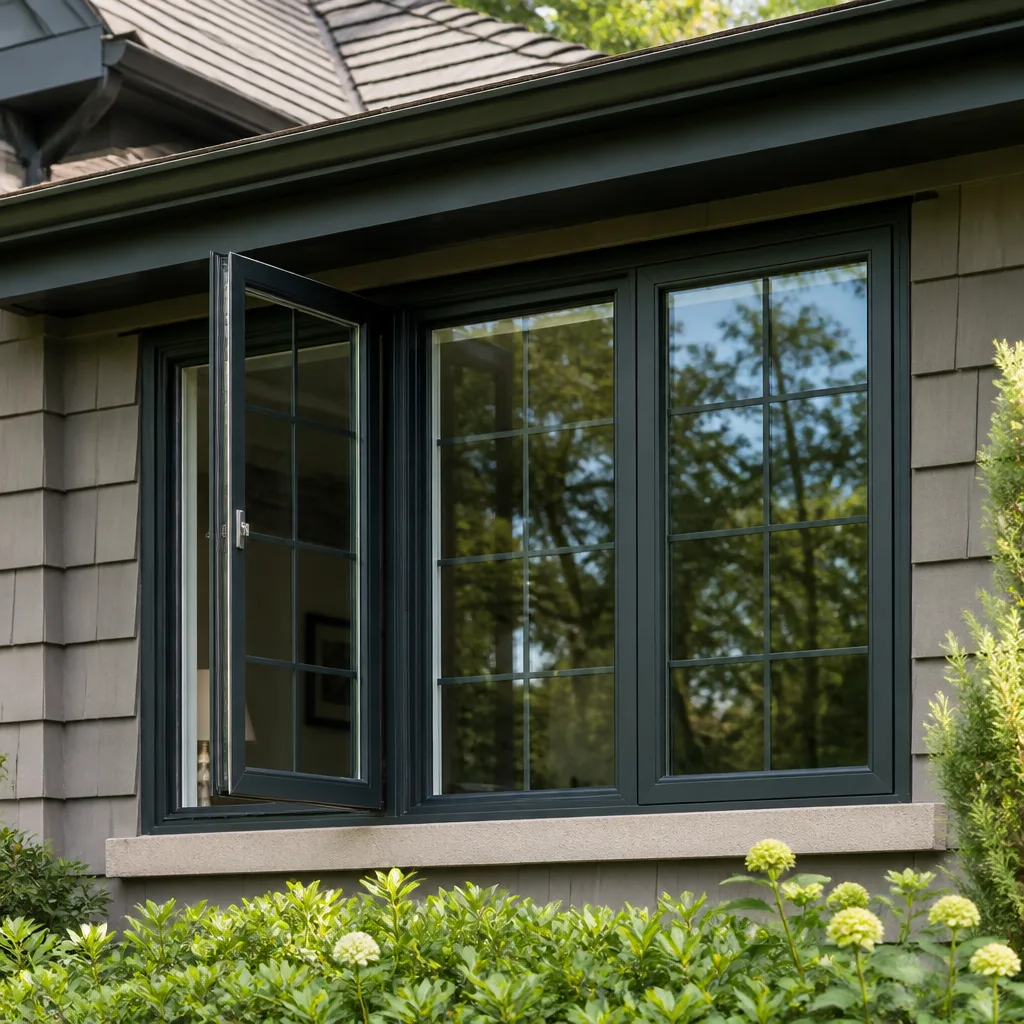
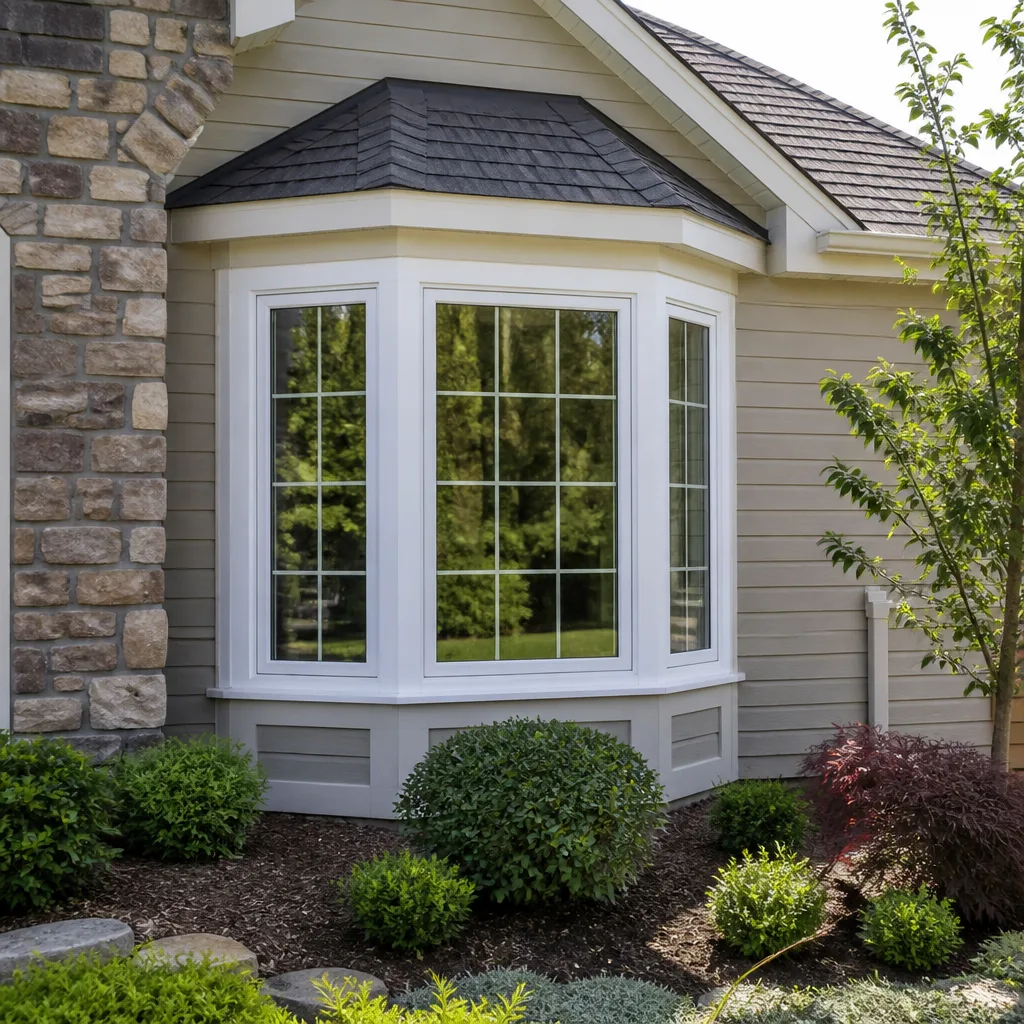
Sliding glass doors
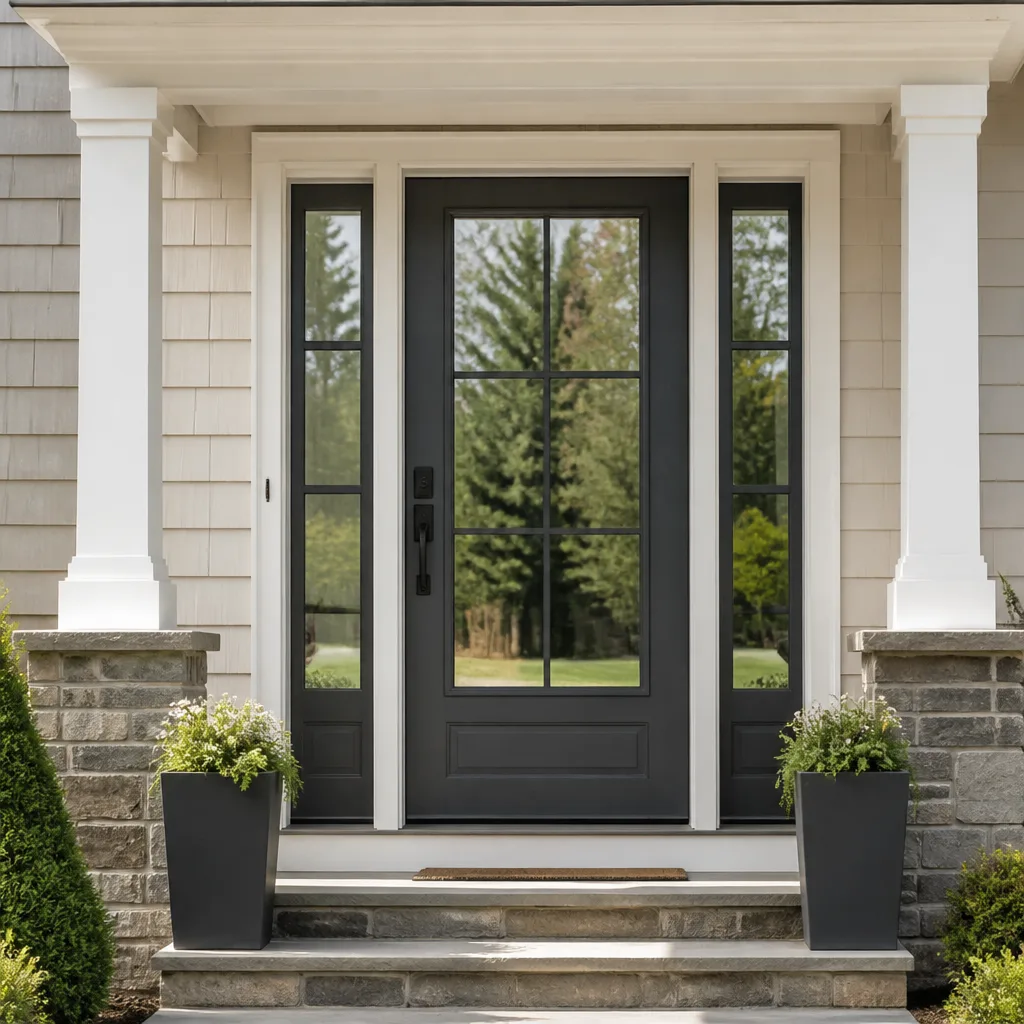
Impact garage doorsPGTCGI
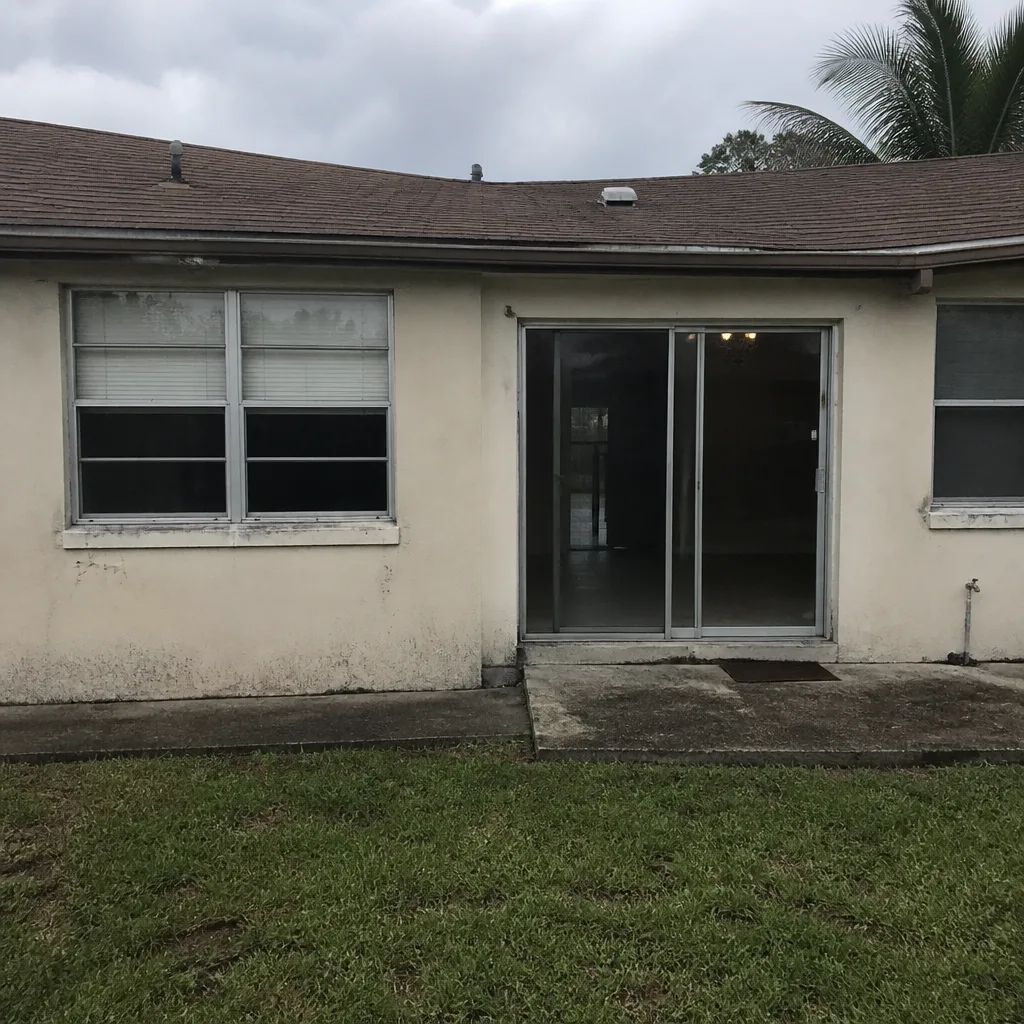 Before
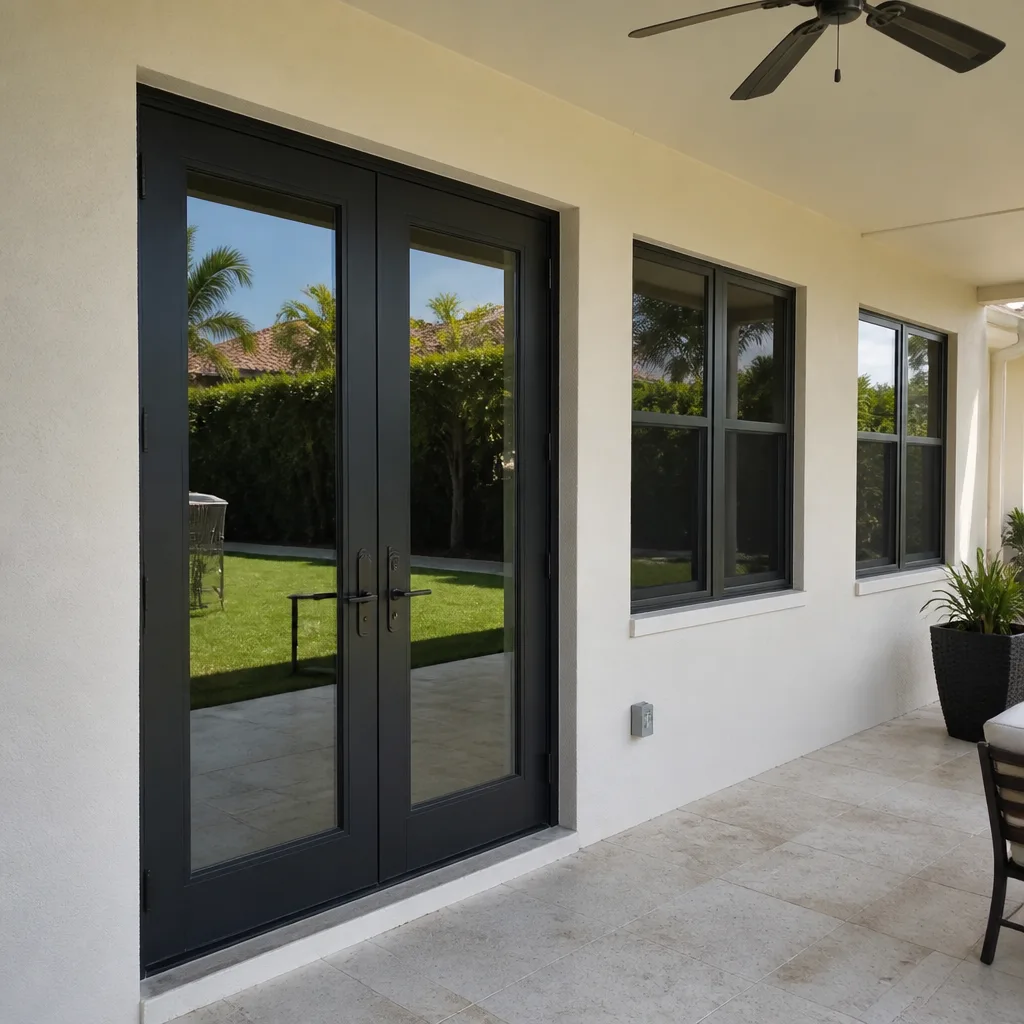 After
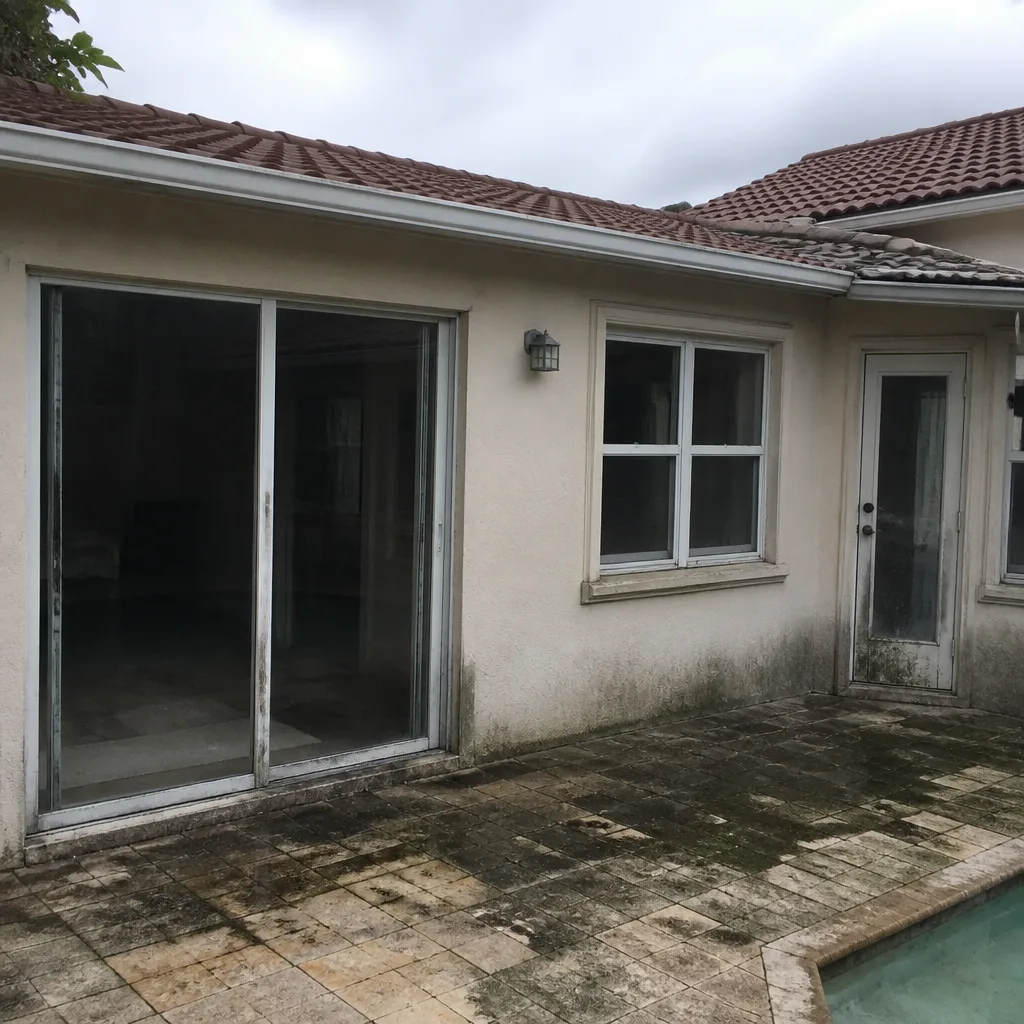 Before
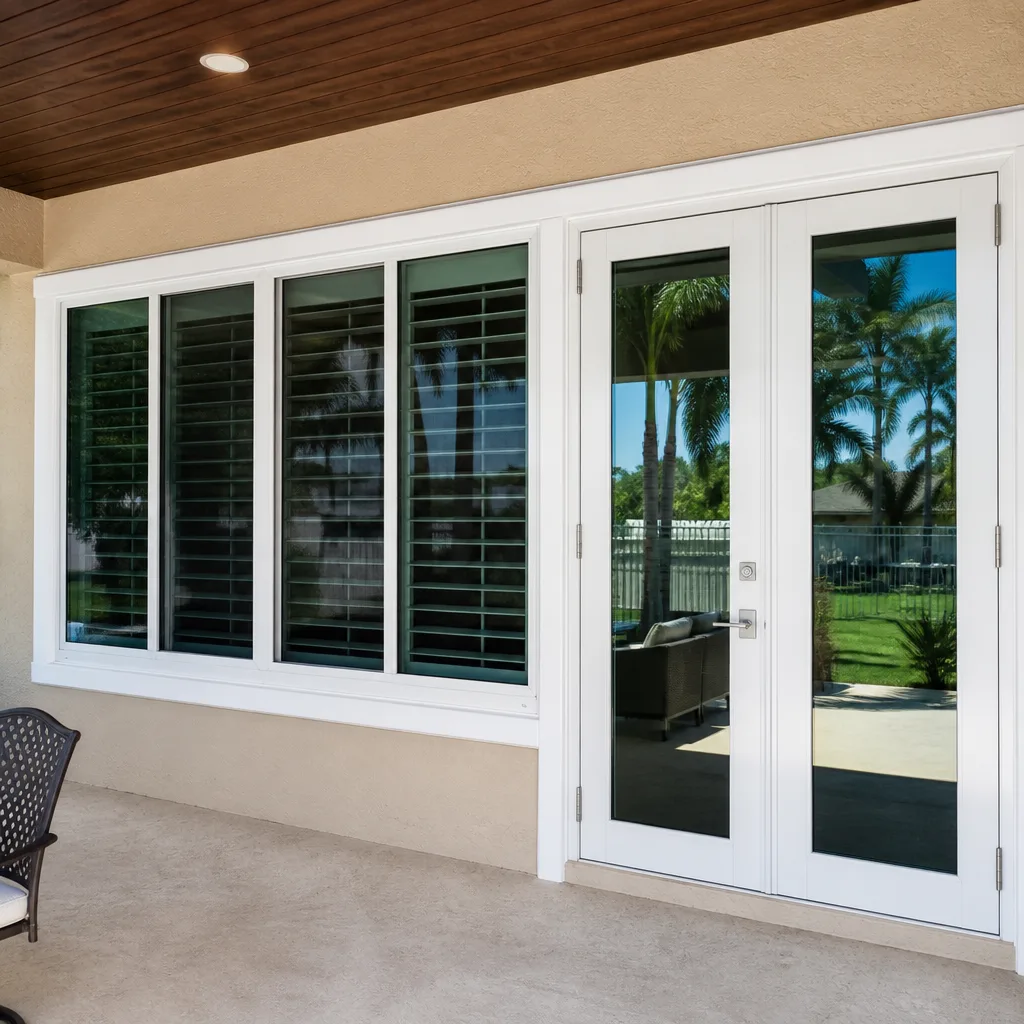 After
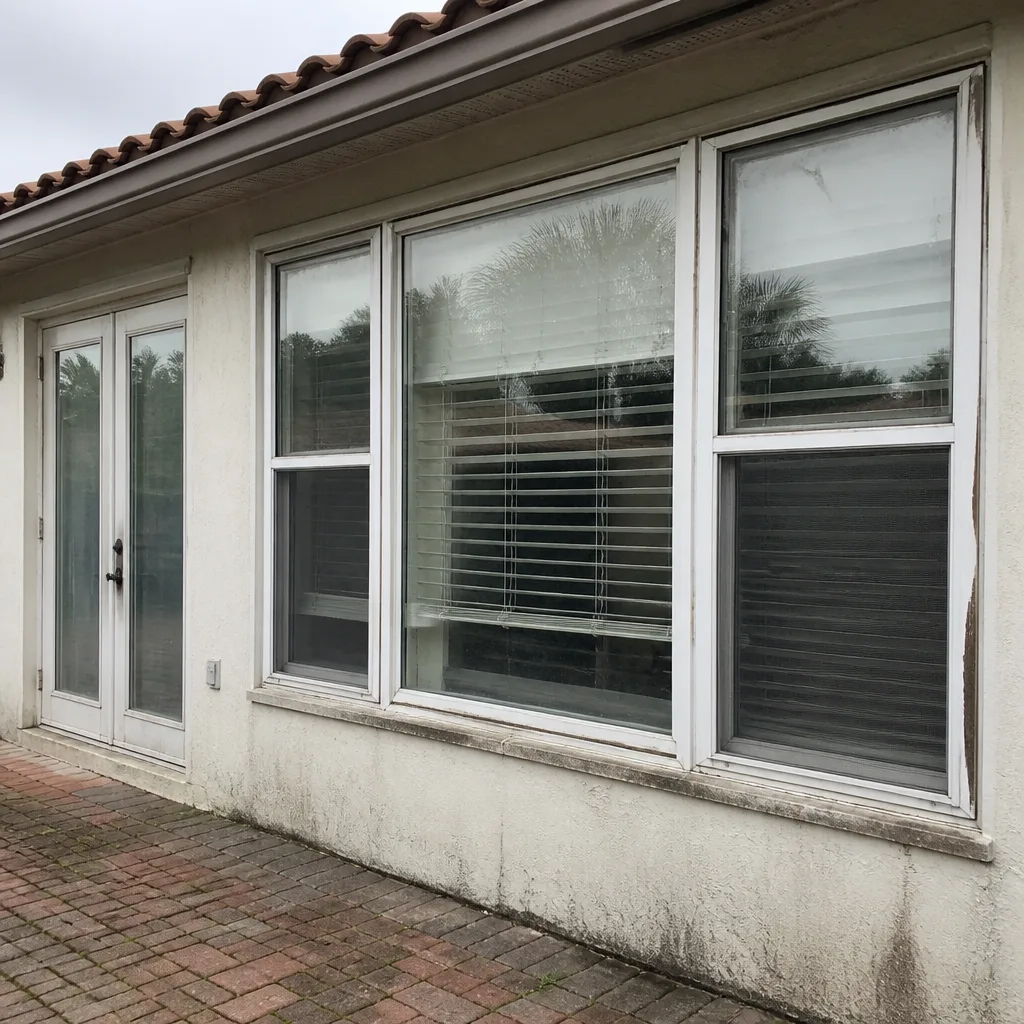 Before
 After
Seasonal Windows & Doors Care for Wellington: Year-Round Homeowner’s Guide
Most Wellington homeowners replace windows and doors a full seven years before they needed to. Not because the units failed, but because nobody told them what a South Florida wet season does to untreated tracks, weatherstripping, and weep holes. We’ve pulled back a dozen patio doors in Wellington neighborhoods like Olympia and The Isles where the frame was structurally sound, but the rollers had seized from six months of humidity and irrigation overspray. This guide lays out what to check, when to check it, and what actually prolongs the life of your windows and doors in this specific climate. You’ll learn the seasonal rhythm that prevents most expensive repairs, which problems are homeowner-maintainable, and which ones need a glazier’s eye.
Quick Answer
Seasonal care for Wellington windows and doors comes down to a four-part rhythm: clean tracks and weep holes every quarter, inspect weatherstripping and caulk after storm season, lubricate moving hardware twice a year, and check glass seals annually for fogging. In Wellington’s heat, humidity, and hurricane exposure, consistent basic maintenance adds seven to ten years of service life to quality units and prevents most binding, leaking, and premature seal failure. Most of this takes under an hour per season.
Table of Contents
- Why Wellington’s Climate Is Hard on Windows and Doors
- Spring Maintenance: Post-Dry-Season Checkup
- Summer Maintenance: Wet Season and Hurricane Readiness
- Fall Maintenance: Post-Storm Assessment
- Winter Maintenance: The Overlooked Season
- Hardware Care: Rollers, Hinges, and Tracks
- Seals and Weatherstripping: What Actually Fails
- Common Mistakes to Avoid
- When to Call a Professional
- Frequently Asked Questions
- The Bottom Line
Why Wellington’s Climate Is Hard on Windows and Doors
Wellington sits in a unique microclimate within Palm Beach County. The village is roughly twelve miles inland from the Atlantic, which means it catches less direct salt spray than coastal towns like Lantana or Manalapan, but gets hotter afternoon temperatures and more intense UV exposure than areas closer to the ocean breeze. Add the summer wet season that runs from late May through October, and you have a combination that attacks windows and doors from multiple angles at once.
Here’s what we see in the field, year after year, across Wellington from Greenview Shores to Buena Vida:
- UV degradation: South and west-facing windows in Wellington take relentless afternoon sun from March through October. Powder-coated aluminum frames hold up reasonably well, but vinyl components, gaskets, and glazing beads oxidize and become brittle faster than manufacturers’ average lifespan estimates suggest.
- Humidity and condensation: Summer dew points regularly sit in the mid-70s here. When conditioned indoor air meets a window with a compromised thermal break, condensation forms in the frame, not just on the glass. That moisture feeds mildew in tracks and accelerates roller corrosion on sliding doors.
- Daily thermal cycling: A window frame on the west side of a Wellington home can swing from 75 degrees at 6 a.m. to 140-plus degrees at 3 p.m., then back down again after the afternoon thunderstorm rolls through. That expansion and contraction works caulk joints loose and stresses seals over a surprisingly short number of years.
- Storm-driven rain: Wellington’s summer storms don’t fall straight down. Wind drives rain horizontally against the west-facing walls of homes in neighborhoods like Versailles and Black Diamond. This is the test that separates properly flashed and sealed openings from the ones that leak only during the two worst storms of the year.
- Irrigation overspray: This is the one most homeowners never connect to door problems. Wellington lot sizes mean sprinkler heads often sit within ten feet of patio doors and low windows. Reclaimed water, which most of Wellington uses, leaves mineral deposits on glass and accelerates corrosion on exposed hardware.
This combination means the seasonal care cycle in Wellington is not optional. A door or window that receives zero maintenance in a mild climate might still limp along for fifteen years. The same unit in Wellington, with the same neglect, starts binding, whistling, and leaking within five to seven.
Spring Maintenance: Post-Dry-Season Checkup
Spring in Wellington, from late March through May, is the window between the dry season and the first big summer rains. It’s the most forgiving time to work outside, and it’s the right moment to recover from the winter’s cooler, drier air, which tends to shrink wood components and loosen caulk.
In our experience, spring is the season when homeowners finally notice problems that started quietly in winter: a door that started dragging in February, a crank operator that got stiff in January, a window that never quite latched after the holiday guests left. Catching these in April beats discovering them in July when a thunderstorm blows sideways into the gap.
Spring Checklist for Wellington Homes
- Clean all window tracks and door rails. Remove debris with a vacuum, then wipe with a damp cloth, then dry. South Florida pollen season in February and March leaves a fine grit that mixes with humidity into a paste that grinds rollers down faster than anything else.
- Lubricate moving hardware. Use a dry silicone spray on window tracks, door rollers, hinge pins, and lock mechanisms. Do not use WD-40 or oil-based products. They attract dust and turn into sludge in Wellington’s humidity within weeks.
- Inspect exterior caulk and sealant. Walk the perimeter of every window and door. Look for gaps, cracks, or sealant pulling away from the frame. The northeast corner of the house and the side that gets the most afternoon sun are always the first to fail.
- Test every lock and latch. A lock that sticks is a lock that doesn’t fully engage. In a hurricane, a door that’s latched but not locked can flex enough to let water in.
- Open and close every operable window and door fully. Note any dragging, grinding, or resistance. Small roller adjustments in April prevent a full track replacement in August.
Spring is also the right time to schedule any professional service you’ve been thinking about. Demand for window and door work in Wellington peaks right before storm season, and a spring tune-up puts you ahead of the rush.
Summer Maintenance: Wet Season and Hurricane Readiness
Summer in Wellington runs from June through September, and it’s the season that tests everything. Daily afternoon thunderstorms, temperatures in the low 90s, and the ever-present possibility of tropical weather mean your windows and doors are doing heavier duty than at any other time of year.
The most important summer task is making sure water has a path out of the frame. Every sliding door and window in Wellington has weep holes, small drainage openings along the bottom track that let rainwater escape. When these clog with dirt, pollen, and insect nests, water backs up into the track, overflows the interior dam, and runs down the inside of the wall. This is one of the most common causes of interior water staining we see in Wellington homes, and it’s almost always preventable.
Summer Maintenance Steps
- Clear weep holes monthly during the rainy season. Use a small brush, a pipe cleaner, or compressed air. Fill a cup with water and pour it into the track to confirm it drains freely to the outside.
- Check weatherstripping after every major storm. Wind-driven rain finds every gap. If you see water beading on the interior side of a window or door during a storm, note the location and have it addressed before the next one.
- Confirm hurricane panels or impact windows are in good order. If you have accordion shutters or removable panels, test them now. If you have impact-rated windows, check for any cracks in the glass or damage to the frame from lawn equipment, kids, or the previous season.
- Watch for binding doors. Humidity makes wood and even some composite frames swell. A door that closes fine in March but sticks in July is telling you something about the condition of its weatherstripping and its adjustment.
- Inspect the caulk line where the threshold meets the door frame. This is a prime leak point during summer downpours in Wellington, especially on east-facing doors that take the brunt of the afternoon storms.
If a storm is bearing down on Wellington, the preparation window is short. Know where your shutters live, know how they mount, and if you haven’t tested them in years, do it on a sunny June weekend, not in September with a named storm in the Atlantic.
Fall Maintenance: Post-Storm Assessment
By October, the worst of the summer weather pattern usually breaks, but not before delivering a few final hard storms. Fall in Wellington is the season for honest assessment. It’s a short window between the end of the hurricane season’s peak and the beginning of the winter visitors’ arrival.
This is the time to walk every window and door and look for damage that may not have been obvious during the chaos of summer. After a summer of thermal cycling, wind gusts, and horizontal rain, small problems have had time to become visible.
Fall Assessment Checklist
- Look for water stains on interior walls below and beside windows. Stains that appeared slowly over the summer may not be catastrophic, but they indicate a leak path that will grow.
- Check for mildew in door and window tracks. Mildew in the track is a sign that weep holes are clogged or that the track isn’t draining. Clean it and find the drainage problem behind it.
- Test the seal on double-pane glass. Look closely at the edges of the glass for a milky film or condensation between the panes. If you see it, the seal has failed. This is a repair that should not wait, because a fogged seal only gets worse and the window loses its insulating value permanently.
- Inspect the exterior finish on wood windows and doors. South Florida’s sun is unforgiving. If paint is peeling or the wood is exposed, it will absorb moisture during the next rainy season and begin to rot.
- Verify all door thresholds are still tight and properly seated. A loose threshold lets water, ants, and humid air into the house year-round.
Fall is also a good time to plan for any replacements before the holiday season. If you have a window or door that limped through summer, the cooler, drier months are the least disruptive time to have it replaced.
Winter Maintenance: The Overlooked Season
Winter in Wellington is mild by almost any standard. Daytime highs in the 70s, overnight lows occasionally dipping into the 40s. It’s the season when windows get opened, patios get used, and the house finally airs out after six months of air conditioning. But winter is not a maintenance holiday.
The dry winter air is actually the season when certain problems become visible for the first time. Wood components shrink, revealing gaps that humidity had swollen shut. Caulk that was pliable in August becomes stiff in January and cracks. And windows that have been closed since May finally get operated and reveal binding or broken hardware.
Winter Tasks for Wellington Homeowners
- Open every window in the house, including the ones you never use. If a window is stuck, don’t force it. Forcing a stuck window bends operator arms and cracks glass. Note the location and address it properly.
- Dust and clean window interiors. Six months of air conditioning cycles fine dust through the house. It settles on tracks and frames and gums up lubricants.
- Inspect interior caulk and trim. Gaps between the window frame and the interior wall indicate movement. Small gaps are cosmetic. Wider gaps, especially combined with drafts, point to installation problems.
- Check for drafts on windy days. A cool front blowing through Wellington is the perfect moment to run your hand along the edges of windows and doors. You’ll feel air movement that’s invisible on a calm day.
- Plan and budget for replacement projects. If you know a patio door is on its last legs, winter is the best season in Wellington for installation. Dry weather means predictable scheduling and clean working conditions.
Winter is also when most Wellington homeowners host family and guests. A door that sticks in front of company is an annoyance. A door that sticks in July is an emergency. Fix it in the nice weather before it becomes the other thing.
Hardware Care: Rollers, Hinges, and Tracks
Hardware failure is the number one reason Wellington homeowners call us about doors that bind, drag, or refuse to lock. The good news is that most hardware problems develop slowly and give you months of warning, if you know what to listen for.
Sliding glass doors in Wellington homes ranging from the original 1980s builds in the village core to the newer construction in Aero Club and Equestrian Club Estates all share the same weak point: the rollers. A typical patio door weighs between 150 and 250 pounds, and that entire weight rides on two to four small wheels. When those wheels wear, pit, or seize, the door starts to drag, and the dragging compounds the damage by scoring the track.
Hardware Maintenance Routine
- Every three months: Vacuum the bottom track of every sliding door. Use a narrow attachment or a handheld. Pay attention to the corners, where the door rests when closed, because that’s where debris piles up.
- Every three months: Apply a small amount of dry silicone lubricant to the track. Not grease, not oil. Grease collects sand and becomes a grinding compound.
- Every six months: Inspect the rollers. This requires lifting the door or removing it from the frame, which on a heavy sliding door is not a one-person job. If you’re not comfortable, have a professional do it. A glazier can tell in five minutes whether rollers need adjustment or replacement.
- Annually: Check and tighten hinge screws on all swinging doors, including front entry doors, patio doors, and interior doors that get heavy use. Loose hinges cause the door to sag, which causes the latch to misalign, which causes the lock to fail, which compromises everything.
- Annually: Test every lock mechanism on every window and door. Lubricate lock cylinders with a dry graphite powder, never liquid lubricant.
If a sliding door suddenly starts grinding or you hear a metallic scraping sound, stop using it. The roller assembly has likely failed, and continuing to operate the door will damage the track, turning a $150 roller replacement into a $700 track replacement.
Seals and Weatherstripping: What Actually Fails
The most misunderstood components in a window or door are the ones you can barely see: the weatherstripping, the gaskets, the glazing beads, and the insulating glass seal. They don’t look like much, but they do most of the work of keeping Wellington’s heat, humidity, and rain outside where they belong.
Weatherstripping in Wellington has a hard life. It sits in direct contact with the frame, which gets hot enough to fry an egg on in August. It flexes every time the door opens and closes, which might be thirty times a day on a busy patio door. It absorbs UV radiation, ozone, and whatever airborne chemicals the sprinkler system and pool service introduce. Most weatherstripping in this climate lasts five to seven years before it loses its compression set, which means it stops springing back when compressed, at which point it stops sealing.
Signs of Weatherstripping Failure
- Visible light around a closed door. Stand inside, close the door, and look at the perimeter. If you can see daylight through a gap, air and water can get through the same gap.
- A door that rattles in the wind. Proper weatherstripping holds the door firmly against the frame. A rattle means something has compressed or fallen away.
- Condensation on the interior glass in summer. This indicates either a failed insulating seal or air leaking around the glass into the frame cavity.
- Mildew smell near windows in rainy season. That smell often comes from the weatherstripping itself, which can absorb moisture and grow mildew in the pores.
- Drafts in winter. It’s obvious, but many Wellington homeowners dismiss winter drafts as normal. A properly sealed house should not have noticeable air movement around closed windows, even on the coolest January morning.
Different manufacturers use different weatherstripping systems. A Pella door uses a different gasket profile than a Marvin door, and an Andersen window seals the sash differently than a Milgard window. Replacement weatherstripping needs to match the manufacturer’s design, or you’ll wind up with a door that’s harder to close and still leaks. The wrong profile is worse than no replacement at all.
Common Mistakes to Avoid
We’ve spent years in Wellington homes looking at windows and doors that failed before their time. In most cases, the failure traces back to a mistake that felt reasonable at the time. Here are the ones we see most often:
- Using WD-40 on window and door hardware. WD-40 is a water displacement product, not a lubricant. It washes away any real lubricant that was present and leaves a thin oil film that attracts Wellington dust and pollen. Use dry silicone or graphite instead.
- Painting over weep holes. When homeowners repaint a door or window frame, they often cover the small drainage openings along the bottom. This traps water inside the frame and guarantees interior leaks during the next rainy season. Every weep hole in Wellington exists for a reason.
- Forcing a stuck window open. After months of being closed, a window may resist opening. Forcing it bends the operator arm, strips the crank mechanism, or cracks the glass. If a window won’t open with reasonable hand force, the problem is mechanical and needs professional attention.
- Ignoring a fogged window seal. A failed seal on a double-pane window in Wellington does not just look bad. It means the insulating gas has escaped, the window’s energy efficiency is gone, and moisture is now trapped between the panes. It will not fix itself, and waiting makes the repair more difficult.
- Replacing weatherstripping with generic material. Big-box retailers sell rolls of adhesive foam weatherstripping. It’s meant for temporary draft control, not for the precise compression seals on quality patio doors and windows. Generic material rarely lasts a full Wellington summer.
- Skipping the spring checkup because everything seems fine. The whole point of seasonal maintenance is to find small problems before they become big ones. A door that “seems fine” in April may have rollers that are 80 percent worn and a track that’s quietly accumulating damage. The inspection is cheap. The repair is not.
- Doing nothing until a storm is approaching. The worst time to discover that your hurricane panels don’t fit or your impact windows have a compromised seal is the day a storm enters the Gulf. Annual preparation, done on a sunny Saturday, is the only approach that works in South Florida.
When to Call a Professional
There’s a line between homeowner maintenance and professional repair, and knowing where that line sits saves Wellington homeowners money over the long run. You should handle cleaning, lubricating, clearing weep holes, and visual inspections yourself. You should call a professional when you encounter any of the following: a fogged double-pane window, a sliding door that grinds or jumps the track, a window that won’t open or close with reasonable force, visible water staining on interior walls near windows or doors, a door with a visibly sagging or misaligned frame, or any exterior sealant that has cracked and pulled away. These are not tasks where force or improvisation ends well, and in the case of heavy sliding doors and tempered glass, the repair is genuinely hazardous without the right training and equipment. TruePane Windows & Doors offers free estimates in Wellington, and we’re happy to look at anything you’re uncertain about. Call (561) 349-4826.
Frequently Asked Questions
Every three months is the right interval for Wellington’s climate. The pollen, dust, and humidity of South Florida combine into a gritty paste that accelerates roller wear and clogs drainage, and quarterly cleaning keeps that from building up. Call (561) 349-4826 if you want a professional tune-up and don’t want to deal with it yourself.
our maintenance check includes a full inspection of every window and door, track and roller cleaning, hardware lubrication, weatherstripping assessment, and a written report of anything that needs attention. We schedule these throughout Wellington year-round, and many homeowners book one each spring before storm season. Call (561) 349-4826 to schedule.
Humidity is the answer. Wood and some composite door slabs absorb moisture from Wellington’s summer air, which causes them to swell. When the slab swells past the clearance the installer allowed, the door starts to bind against the frame or threshold. The fix may be as simple as adjusting the hinges or the strike plate, or it may mean the door was installed with insufficient clearance for this climate. A professional can determine which situation you have in one visit.
Look for condensation between the glass panes that you cannot wipe away from either side, a milky or hazy film on the inside surface of the glass, or visible distortion when you look through the window at an angle. All three indicate the insulating seal has failed, which eliminates the window’s energy efficiency and will only get worse over time. Call (561) 349-4826 for a free estimate on repair or replacement.
The answer depends on the condition of the frame, the quality of the original unit, and whether it’s a standard size or a custom opening. A 20-year-old window from a quality manufacturer like Andersen or Marvin may have another decade of life if the frame is sound and the seal is intact. A builder-grade window from the same era is often more cost-effective to replace with a modern energy-efficient unit. We give homeowners a written comparison so they can make the decision based on facts, not a sales pitch.
Clearing weep holes, confirming weatherstripping integrity, and testing that every lock and latch engages fully are the top three. Impact-rated windows and doors should also be inspected for any cracks or frame damage that could compromise their rating. If you haven’t tested your hurricane protection in more than a year, test it on a clear weekend. Call (561) 349-4826 if you’d like professional help preparing your home.
The Bottom Line
Wellington’s climate is not the culprit when windows and doors fail early, neglect is. A home that gets quarterly track cleaning, annual weatherstripping inspection, and prompt attention to small problems will see windows and doors last seven to ten years longer than a home that gets none of those things. The seasonal rhythm is simple: clean and lubricate in spring, clear drainage and prepare for storms in summer, assess honestly in fall, and inspect and plan in winter. Most of this work takes minutes, costs almost nothing, and prevents the expensive repairs that come from years of small neglect. If you’d rather have a professional handle it, the team at TruePane Windows & Doors home is one phone call away. We’ve been serving Wellington since 2008, and we’ll be here when you need us. Call (561) 349-4826 for a free estimate.
Written by Dale Kessler, Owner at TruePane Windows & Doors, serving Wellington since 2008.
Six Reasons Homeowners Choose TruePane Windows & Doors
Impact systems engineered to design pressures up to +/-100, matched to your wind zone - your openings hold when the storm arrives.
Low-E insulated impact glass from our manufacturer lines commonly cuts monthly cooling bills 20-30%.
Laminated impact glass shuts out up to 40% of outside noise - traffic, neighbors, weather.
Monitoring services run $30-90 a month. Laminated impact glass resists forced entry around the clock, with no subscription.
Florida homeowners average around 25% savings on the windstorm portion of their policy after protecting every opening - some homes qualify for more.
A full impact package upgrades curb appeal, buyer confidence and appraised value in one project.