
Last updated August 25, 2026
Free in-home measure and quote - PGT, CGI and CWS impact lines compared on your actual openings, style by style
Sliding glass doors
Impact garage doorsPGTCGI
 Before
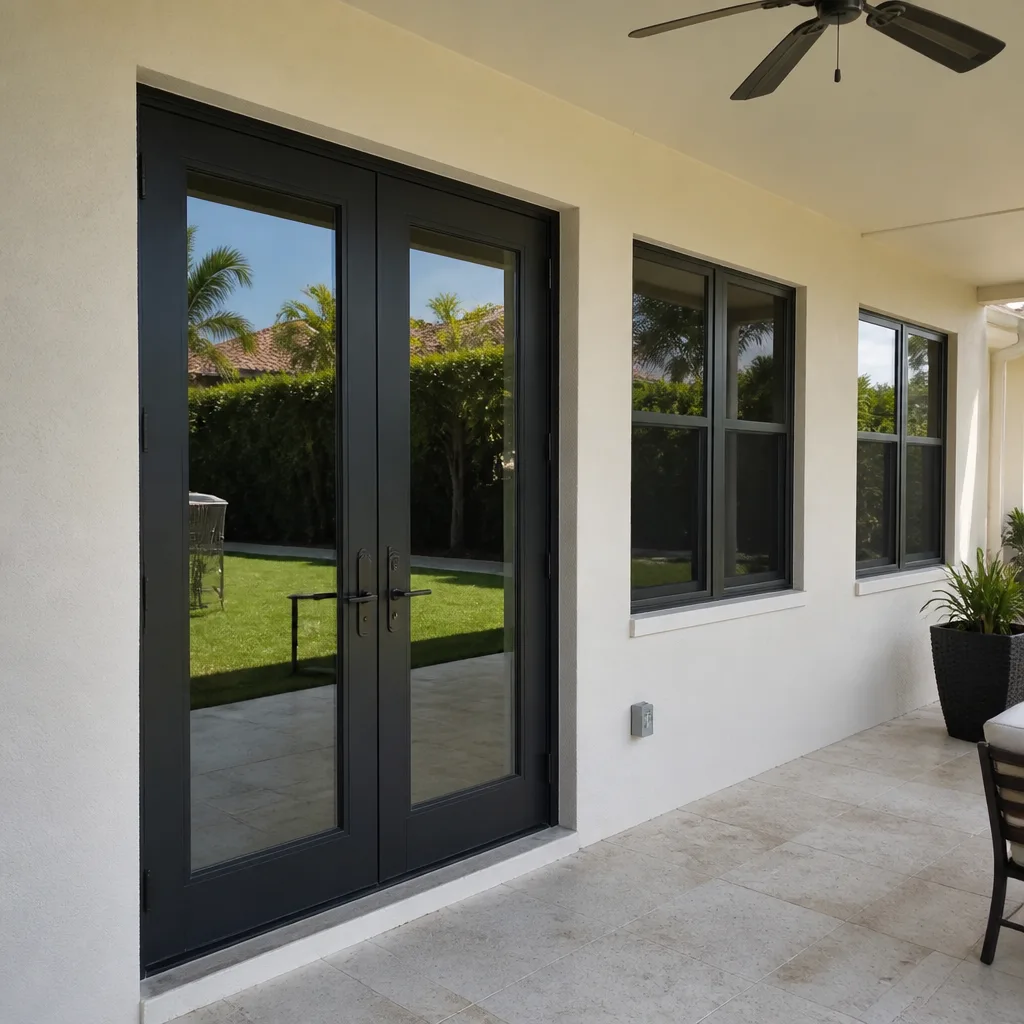 After
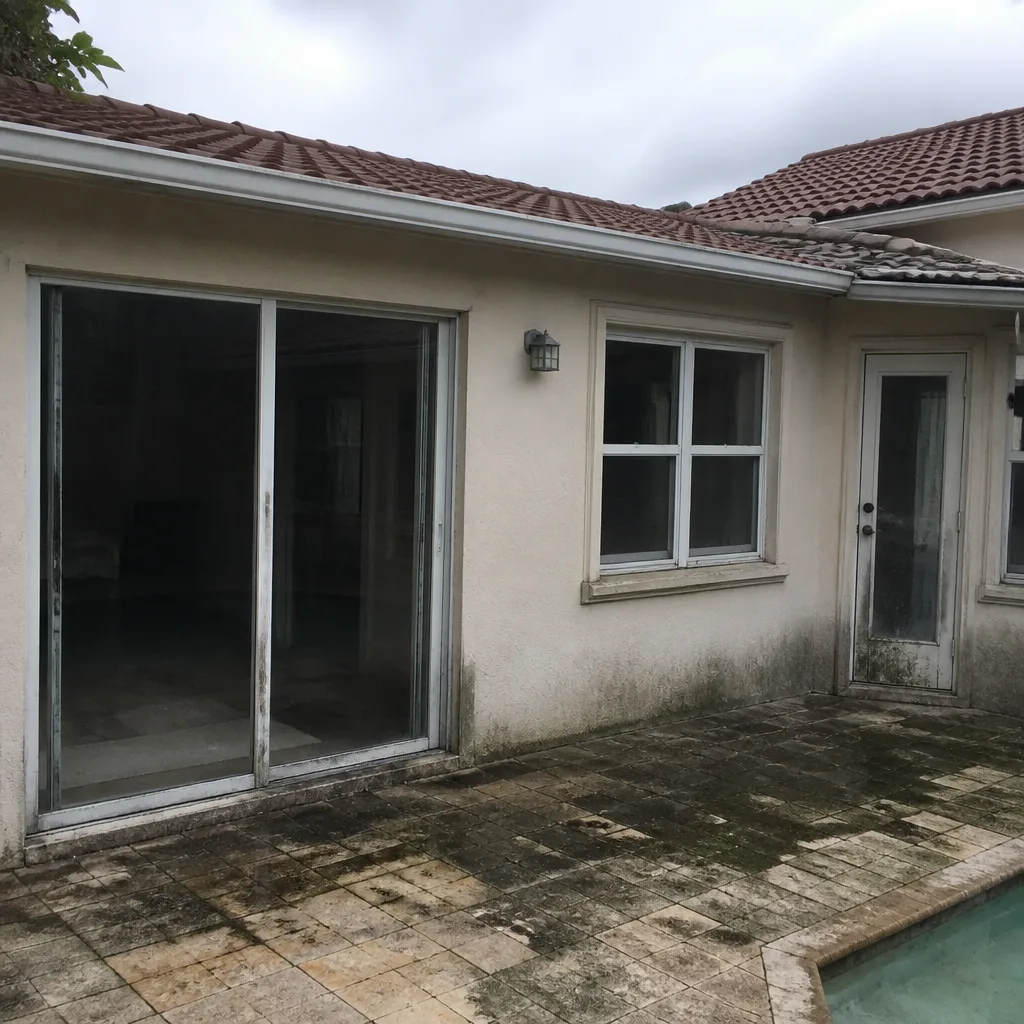 Before
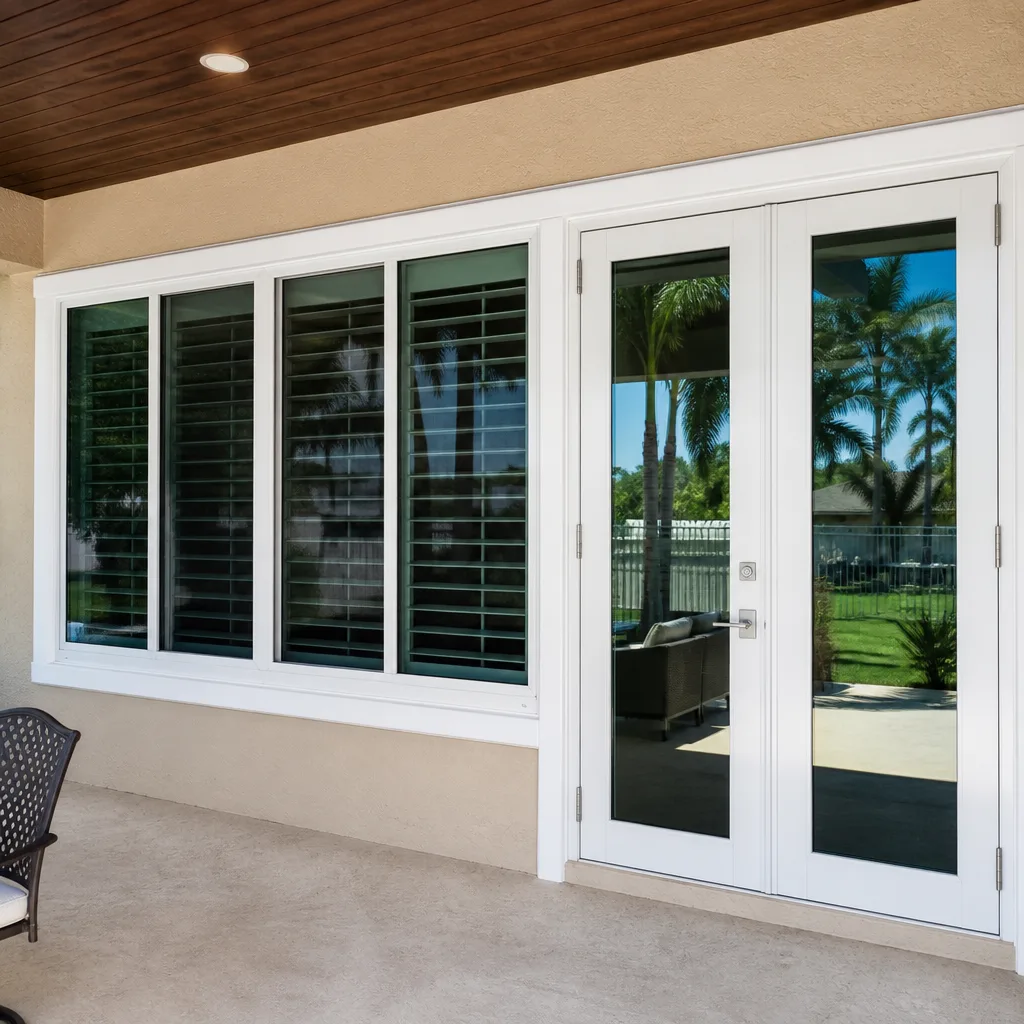 After
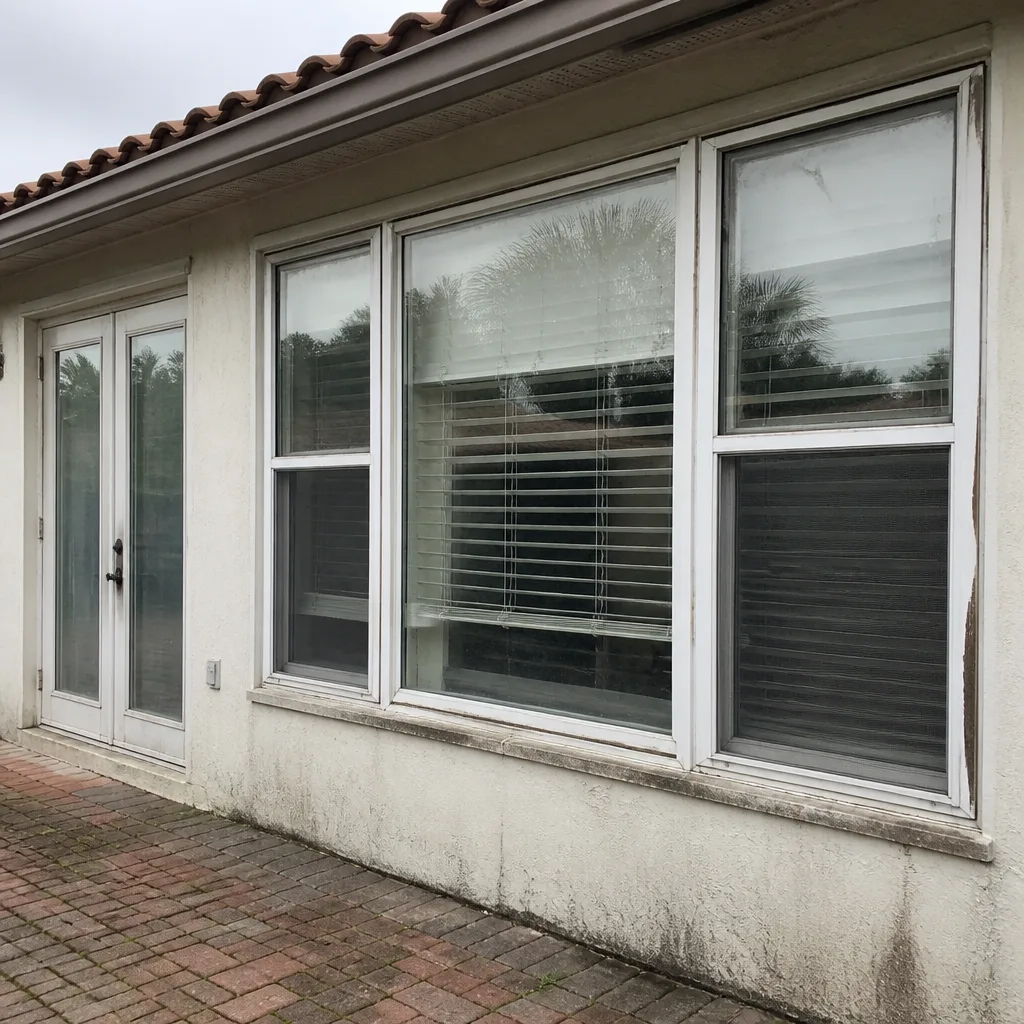 Before
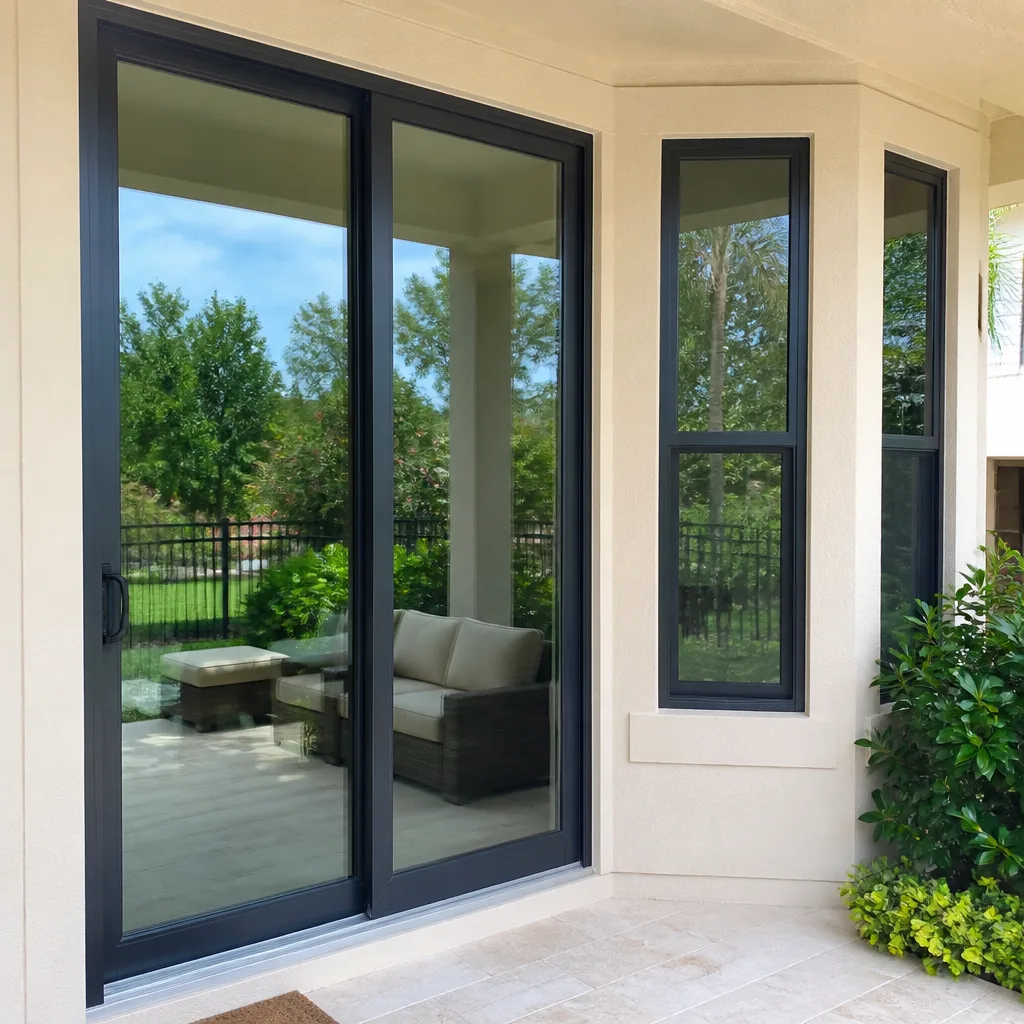 After
Windows & Doors Permits, Codes & Inspections in FL: What You Need to Know
More than half of the window and door replacements we look at in Wellington have at least one code violation from a previous install. That’s not a scare stat, it’s the job board on a Tuesday. Florida’s building code is the strictest in the country for wind and impact resistance, and the rules changed again after Hurricane Ian. This guide walks you through what actually matters: when you need a permit, which codes apply to your house, how inspections work, what happens if you skip the process, and what it all costs. If you’re planning to replace windows or doors in Wellington, you’ll finish this page knowing exactly what to ask any contractor before they touch your opening.
Quick Answer
In Florida, any window or door replacement that changes the size of the opening, alters the structure around it, or switches from non-impact to impact-rated glass requires a permit and a final inspection. Straight swap replacement of like-for-like windows and doors in existing openings often falls under a simpler repair permit, but Wellington requires work to comply with the Florida Building Code 8th Edition (2023), including high-velocity hurricane zone standards. If you’re in Wellington, call (561) 349-4826 and we’ll tell you over the phone whether your job needs a permit before you spend a dollar.
Table of Contents
- When You Need a Permit in Florida
- The Florida Building Code and What It Means for Your Windows
- Impact Ratings, HVHZ, and Why Wellington Homes Are Different
- How the Wellington Permit Process Works
- What Inspectors Actually Check
- Permit and Inspection Costs in Wellington
- What Happens If You Skip the Permit
- Common Mistakes to Avoid
When You Need a Permit in Florida
Here’s the rule that surprises most homeowners: a permit is not about the window, it’s about the opening. If you’re removing an old window and installing a new one in the exact same size and shape, many Florida municipalities treat that as a repair. If you’re enlarging the opening, adding a new opening, converting a window to a door, or changing from single-pane to impact glass that requires new anchors and fasteners, you’re into permit territory with no room for argument.
Wellington follows the Florida Building Code but enforces it through its own Building Department. Any work that involves structural changes, new header framing, or changes to the exterior envelope requires a building permit. Even a same-size window replacement requires a permit if the new window has a different design pressure rating than what was originally installed. That catches a lot of people: pulling out a 1980s aluminum frame window and dropping in a modern impact-rated unit is not a like-for-like swap in the eyes of the code.
Here’s a practical breakdown:
- Same-size replacement, same material, no structural change: usually a repair permit, minimal review.
- Same-size replacement, upgraded to impact glass or higher design pressure: permit required, product approval documents needed.
- Window enlarged or new window added: full building permit, structural drawings required.
- Window converted to a door: full permit, header design, possibly engineering review.
- Impact glass going in for the first time: permit plus product approval review, even if the opening stays the same size.
When we work in Wellington, we pull the permit ourselves and our name goes on it as the contractor of record. That means when the inspector walks the job, they’re walking our work. Homeowners who act as their own contractor take on that liability personally, and the Building Department treats those files differently when questions come up.
The Florida Building Code and What It Means for Your Windows
The Florida Building Code (FBC) is now in its 8th Edition, adopted in December 2023. It’s a thick book, but for windows and doors, the parts that matter are Chapter 16 (structural loads), Chapter 17 (special inspections), and the product approval system that governs every window that legally goes into a Florida home. Every window and door installed in the state must have a Florida Product Approval number, which is a specific certification that the unit passed testing for wind pressure, water intrusion, and impact resistance as applicable.
Wellington sits in a high-velocity hurricane zone (HVHZ) under the code. That phrase gets thrown around, but here’s what it means in plain terms: windows in our area must be tested to withstand wind speeds of 140 mph or more, depending on the structure’s location within the wind speed map. For comparison, homes in Orlando face a 105 to 120 mph standard. The same window that passes in Central Florida may not legally go into a Wellington home.
Design pressure, or DP rating, is the number that matters. It tells you how much wind pressure a window can take before it fails structurally. For most Wellington homes, a DP 50 rating is the working minimum for non-impact windows. Impact-rated windows carry a higher threshold and are tested differently: they must pass a large missile test (a 2×4 fired at the glass) and a cyclic wind pressure test that simulates hurricane conditions.
If you’re shopping for new windows in Wellington, ask to see the Florida Product Approval for the specific model and size being quoted. Not the brochure, not the manufacturer’s marketing sheet, the actual approval document. A reputable contractor will hand it over without being asked twice. Andersen, Pella, Marvin, and Milgard all carry Florida Product Approvals for their impact lines, but each model line has different numbers. A Pella Architect Series window has a different approval than a Pella 250 Series, and the paperwork has to match the exact unit going into your wall.
Impact Ratings, HVHZ, and Why Wellington Homes Are Different
Wellington is not on the water, but the code doesn’t care. The HVHZ designation extends well inland because wind speed does not fall off the way you might expect. By the time a hurricane crosses Palm Beach County, sustained winds can still be above 130 mph well west of the Turnpike. We’ve seen homes near the Wellington Green Mall take the same wind damage as houses along the Intracoastal.
Impact-rated windows and doors are built with a laminated glass sandwich: two panes of glass bonded to a polyvinyl butyral interlayer. When a 2×4 hits the glass, the glass cracks but the laminate holds, and the window stays in the opening. That matters for more than keeping rain out. Once a window fails during a storm, the house pressurizes, and the roof can lift off. Keeping the envelope sealed is the difference between broken glass and a missing roof.
There are two paths to compliance in Wellington for openings in a wind-borne debris region:
- Impact-rated windows and doors: the window itself passes the missile test. No shutters needed.
- Non-impact windows plus hurricane shutters or panels: the opening is protected, but only if the shutters are installed and deployed. The shutter system must also carry a Florida Product Approval.
Insurance companies have leaned hard into this distinction. Many carriers in Palm Beach County now require impact-rated windows or documented shutter protection as a condition of writing or renewing a policy. Some offer discounts for impact windows, but the bigger lever is the difference between insurability and a non-renewal notice. If you’re replacing windows in Wellington and can afford the impact upgrade, the insurance math often closes the gap within five to seven years.
How the Wellington Permit Process Works
Wellington’s Building Department processes permits through the Village’s online portal or in person at the permit counter on Forest Hill Boulevard. The process looks roughly like this:
- Application submitted with the contractor’s license, the product approval documents for the specific windows or doors, and the job-specific work plan.
- Plan review by the Building Department. For a straightforward window swap, this is often same-week. For a structural change, expect a week or two depending on the reviewer’s queue.
- Permit issued with an assigned permit number. The permit must be posted on site for the inspector.
- Work performed according to the approved plans and the product approval specs.
- Inspection scheduled and passed. The inspector verifies the installation matches the product approval and the code.
- Permit closed and a final record filed with the Village.
One detail that bites homeowners: Wellington requires the permit to be pulled before work starts, and there are no exceptions for “the window was broken so we had to act.” Emergency board-up of a broken window is fine, but swapping in a new unit before the permit is issued means you’re paying a double permit fee and possibly a fine, depending on how the inspector finds out. And they do find out: neighbors notice, aerial imagery gets reviewed, and unpermitted work shows up in the property record when you try to sell.
What Inspectors Actually Check
A Wellington window and door inspection is not a public hearing. It’s a 20 to 40 minute walkthrough where the inspector looks at specific things.
For windows, the inspector verifies:
- The installed unit matches the product approval document: same manufacturer, same series, same size, same DP rating.
- Fasteners and anchoring match the approval’s installation requirements: size, spacing, and embedment depth.
- Flashing is installed correctly at the sill and jambs, with the proper overlap sequence.
- Caulking and sealant are applied to the exterior perimeter, with no gaps.
- The window opens, closes, and locks properly if it’s operable.
- For impact windows, the approval label is visible on the frame, not painted over or removed.
For doors, the inspector checks the same basics plus the threshold, the weatherstripping, and the deadbolt or multi-point lock. A sliding glass door that doesn’t lock gets flagged. A front door that binds when you close it gets flagged. These are not cosmetic notes, they’re code items, and the inspector won’t close the permit until they’re fixed.
In our experience, the most common inspection failure in Wellington is missing or incorrect fasteners. The product approval specifies exactly which screws to use, and the distance between them is not a suggestion. If the approval calls for 4-inch spacing and the installer used 8-inch spacing, the inspector catches it, and the fix is not minor: every fastener has to be corrected on every window that was installed wrong. That’s why TruePane measures every opening twice, quotes the manufacturer line side by side on paper, and follows the approval document to the letter. The inspector’s checklist is our checklist.
Permit and Inspection Costs in Wellington
Permit fees in Wellington are calculated from the value of the work. The Village uses a fee schedule that starts with a base permit fee and adds a per-thousand-dollar charge on the job valuation. For a typical whole-house window replacement in a Wellington home, the permit fee usually lands between $150 and $400. That’s cheaper than the fine for getting caught without one.
Here’s how window and door work usually pencils out in Wellington:
- Repair permit (same-size swap, one or two windows): $75 to $150
- Standard window replacement permit (whole house): $150 to $400
- Structural permit (new opening, widening, window-to-door conversion): $300 to $800, plus engineering or drawing costs if needed
- Re-inspection fee (if you fail the first inspection): $75 to $150 per visit
- After-the-fact permit (failed to permit, now fixing it): double the standard fee, plus potential code enforcement fees
- Contractor’s time to pull the permit and sit the inspection: often bundled into the job, sometimes a $75 to $200 line item
The permit fee is a separate line item from the installation. Some contractors fold it into the quote and call it “everything included.” Others leave it off and add it later. When we quote a job in Wellington, the permit fee is listed on the quote, in writing, so there’s no surprise when the bill comes. A square deal means you know what you’re paying before the first window comes off the truck.
What Happens If You Skip the Permit
Unpermitted window and door work has a way of surfacing. When you sell your house, the buyer’s inspector will look for newer windows and may ask for the permit history. If the work isn’t on file, you’re either pulling permits retroactively, paying double fees, or negotiating a price reduction to make the problem the buyer’s problem. None of those options are cheaper than pulling the permit in the first place.
The harder scenario is an insurance claim. You have a window blow out during a storm, you file a claim, and the adjuster asks for the permit and inspection record for the replacement you did three years ago. If it’s not there, the claim can be denied for work that was never properly permitted. We’ve seen that conversation go badly for homeowners, and there’s no good answer once the denial letter arrives.
And then there’s the structural risk. A window installed without the proper fasteners or flashing may hold fine for five years and then leak slowly into the stud cavity. By the time you see the water stain on the drywall, the rot is usually already underway. In Wellington’s wet season, that moisture problem compounds fast. A failed inspection is a warning. A skipped inspection means nobody ever looked.
Common Mistakes to Avoid
- Buying windows yourself and hiring an installer to drop them in. If the window’s product approval doesn’t match your house’s wind zone, no installer can make it legal. The inspector will fail the install and you’ll be stuck with windows you can’t use.
- Assuming all impact windows are the same. Impact-rated means the glass passed the missile test. But the frame and anchoring matter just as much. A cheap frame with impact glass is a weak point in the envelope.
- Not checking the product approval label. Every legal window in Florida carries a label. If the label is gone, painted over, or the contractor says “it’s on file somewhere,” the window won’t pass inspection.
- Replacing windows without considering the door openings. A hurricane doesn’t care whether the hole in your house is a window or a sliding glass door. In Wellington, doors are held to the same impact standard, and a non-impact patio door is a liability.
- Treating the permit as red tape. The permit process exists because Hurricane Andrew flattened Homestead. The code you’re complying with was written in the wreckage. Skipping it doesn’t make the rule go away; it just makes the eventual fix more expensive.
- Choosing a contractor with no Wellington inspection history. Every jurisdiction has its own inspector quirks. A contractor who’s never worked in Wellington will spend their first job here learning the local enforcement pattern on your dime.
- Not asking about warranty registration before the install. Manufacturer warranties on windows have specific registration windows, often 30 to 60 days from installation. If the installer doesn’t register both warranty layers in writing, the warranty can be void before you ever need it.
When to Call a Professional
If your project involves a new opening, a structural change, or impact glass going in for the first time, you need a contractor who pulls permits, schedules inspections, and stands behind the work when the inspector walks through. If you’re switching from shutters to impact windows to satisfy an insurance requirement, the product approval paperwork has to be perfect the first time.
If you inherited unpermitted work from a previous owner and need it brought up to code, that’s a specialized correction job. The fix starts with pulling the records and building a permit path forward.
TruePane Windows & Doors offers free estimates in Wellington. Call (561) 349-4826 and tell us what you’re planning. We’ll tell you whether it needs a permit, what the inspection will focus on, and what the job will cost in writing. Live person answers the phone, 24 hours a day, 7 days a week. You won’t get a voicemail tree or a callback form. You’ll get Dale or someone on his crew.
Frequently Asked Questions
Yes, in most cases. Even a same-size replacement requires a permit if the new window has a different design pressure rating or if it’s the first impact-rated window going into that opening. The permit fee for a single window is usually under $150 and the inspection takes less than an hour. Call (561) 349-4826 and we’ll confirm what your specific job requires before you commit to anything.
A window replacement permit in Wellington typically costs between $75 and $400 depending on the scope of work and the job valuation. Whole-house replacements land on the higher end. If you’ve skipped the process and need an after-the-fact permit, expect to pay double. Estimates from TruePane are free, and the permit fee is listed as a line item on every written quote.
Impact windows pass a large missile test, where a 2×4 is fired at the glass at 50 feet per second, and a cyclic wind pressure test. Regular windows only pass a structural wind load test. In Wellington, any opening that’s not protected by shutters must use an impact-rated product. The product approval number on the frame tells the inspector which test the window passed.
Usually yes, especially for exterior doors. Doors are part of the wind-borne debris protection system, and a new door has to meet the same impact and design pressure standards as the window next to it. The permit process for a door is similar to a window: product approval, installation to spec, inspection, close-out.
For a straightforward window replacement, the permit is often issued within the same week and the inspection is scheduled within a day or two of completion. Structural changes take longer because they require plan review and possibly engineering. We handle the paperwork end to end, so the timeline doesn’t stall on missing documents. Call (561) 349-4826 and we’ll give you a realistic schedule for your specific job.
They can, and in Palm Beach County they often do when a claim is filed. Adjusters routinely ask for permit and inspection records for any window or door replacement done within the previous five to ten years. If the work was never permitted, the claim can be denied. It’s one more reason to pull the permit the first time.
The Bottom Line
Window and door work in Florida runs on a specific set of rules, and Wellington enforces them with a building department that has seen every shortcut. The permit is not the enemy, it’s the paper trail that proves the work was done right. Impact ratings matter, product approvals are mandatory, and inspections are the only backstop between a bad install and a water-damaged wall. Whether you’re replacing one fogged window or every opening in the house, do it with a contractor who pulls the permit, follows the product approval to the letter, and stands behind the work when the inspector walks through. If the pane is not true, the job is not done. Call (561) 349-4826 for a free estimate in Wellington.
Written by Dale Kessler, Owner at TruePane Windows & Doors, serving Wellington since 2008. Visit our TruePane Windows & Doors home page to learn more about how we work.
Six Reasons Homeowners Choose TruePane Windows & Doors
Impact systems engineered to design pressures up to +/-100, matched to your wind zone - your openings hold when the storm arrives.
Low-E insulated impact glass from our manufacturer lines commonly cuts monthly cooling bills 20-30%.
Laminated impact glass shuts out up to 40% of outside noise - traffic, neighbors, weather.
Monitoring services run $30-90 a month. Laminated impact glass resists forced entry around the clock, with no subscription.
Florida homeowners average around 25% savings on the windstorm portion of their policy after protecting every opening - some homes qualify for more.
A full impact package upgrades curb appeal, buyer confidence and appraised value in one project.