
Free in-home measure and quote - PGT, CGI and CWS impact lines compared on your actual openings, style by style
Sliding glass doors
Impact garage doorsPGTCGI
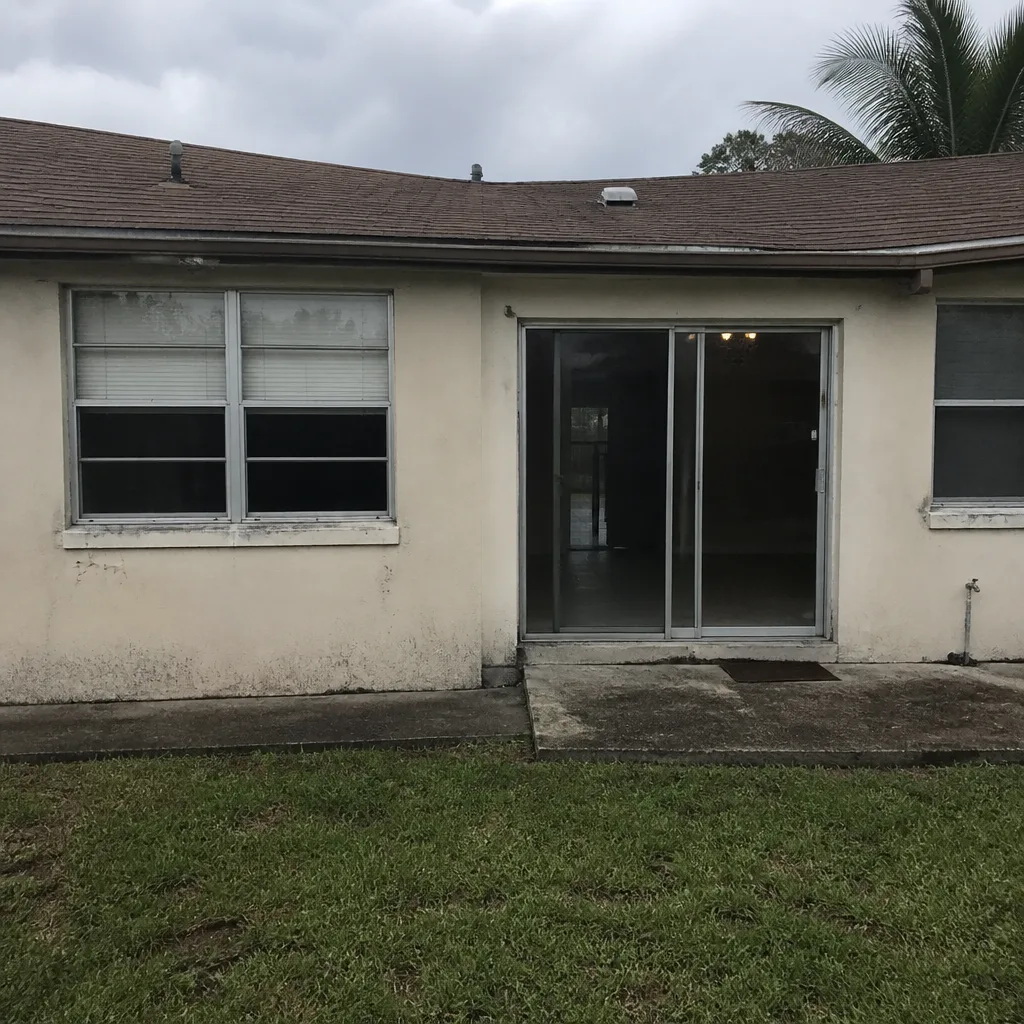 Before
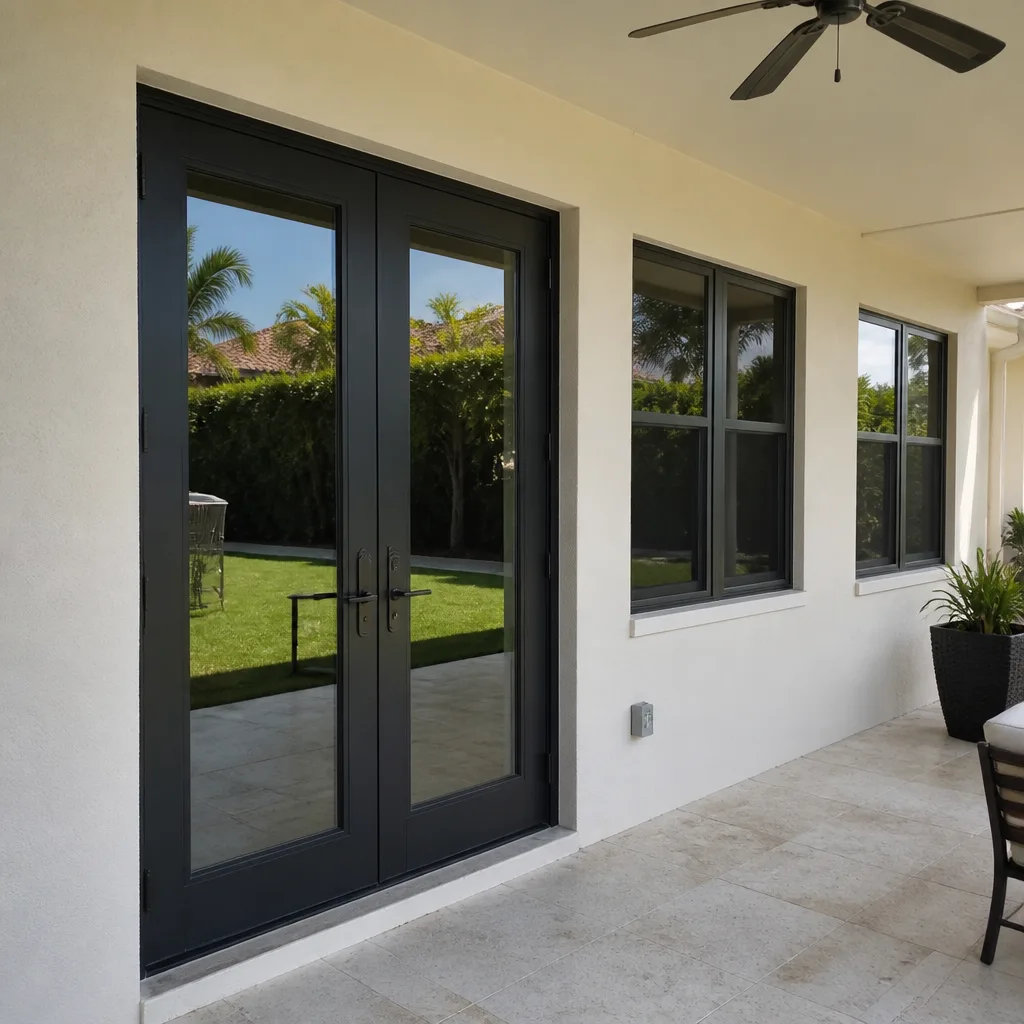 After
After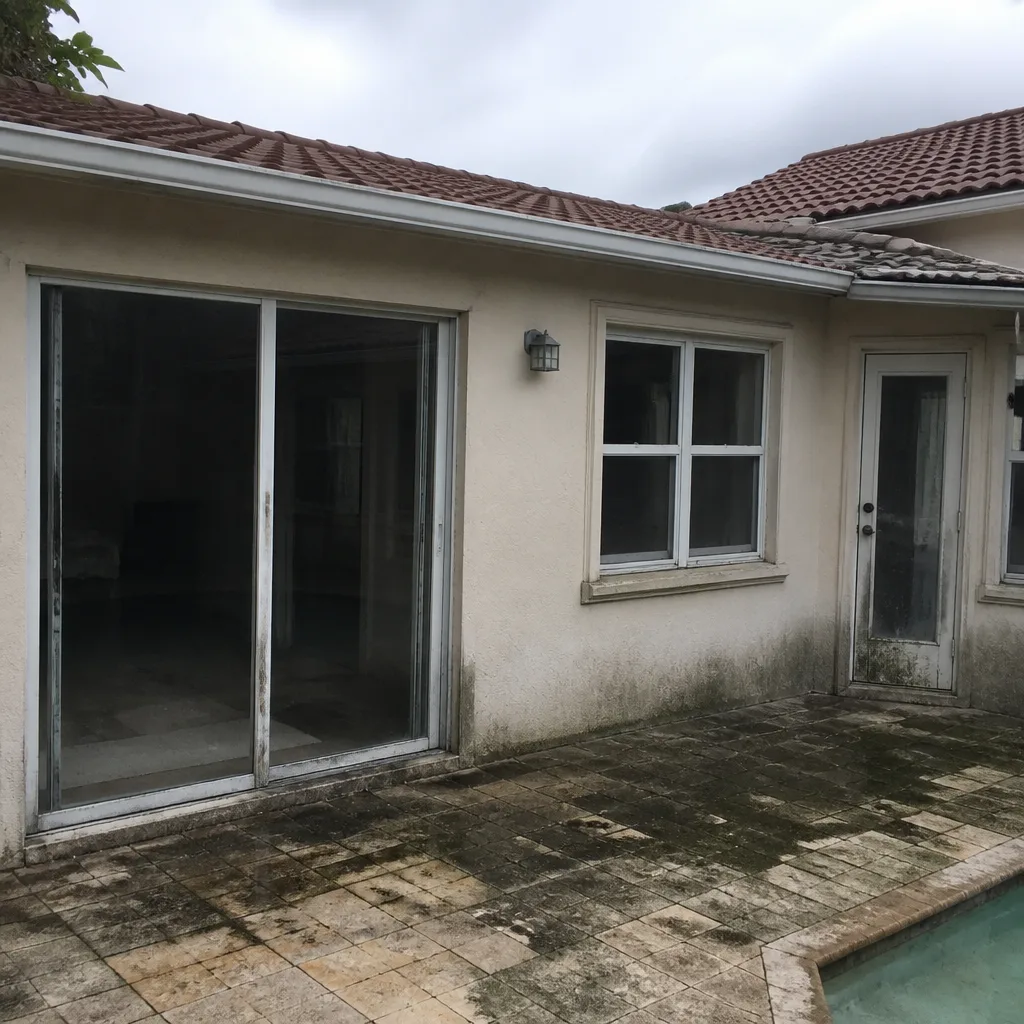 Before
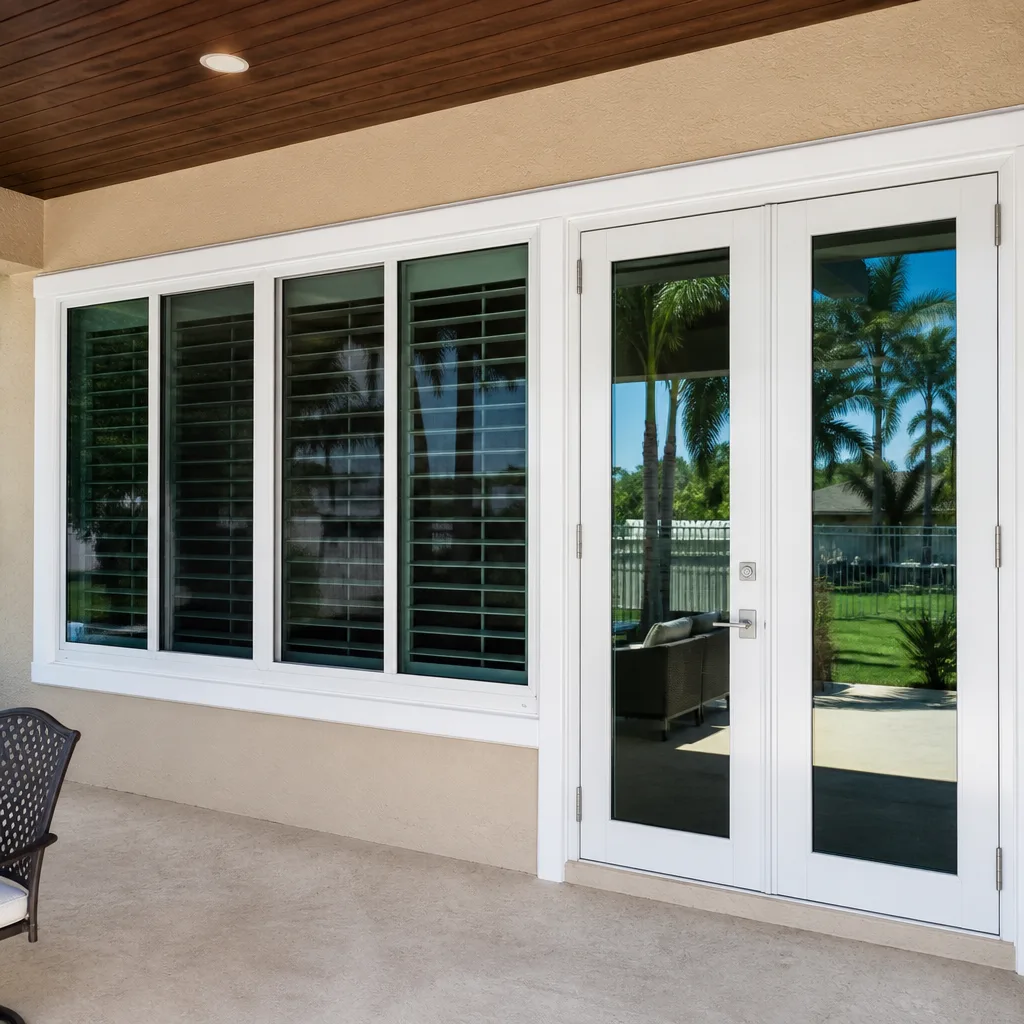 After
After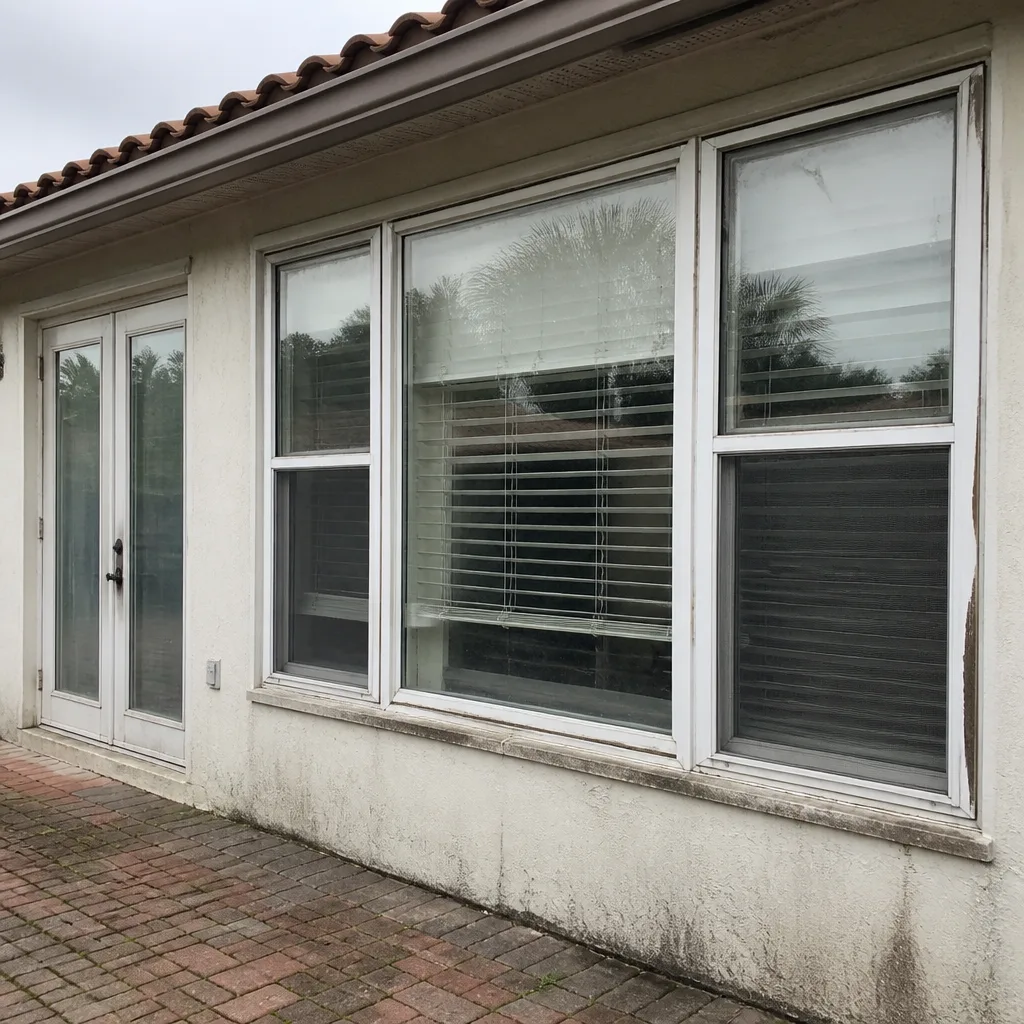 Before
 After
AfterCGI Custom Windows & Doors in Wellington: What to Know First
CGI custom windows and doors in Wellington typically take one to three weeks from measurement to installation, depending on whether we’re building to a custom shape, matching an existing CGI line, or replacing a failed unit. As an independent CGI service provider, TruePane Windows & Doors handles the work CGI dealers won’t always touch: custom shapes, oversized panels, architectural grilles, and the repair of units whose original installers have retired or moved on. Pricing runs honest and upfront, never the cheapest in Wellington, and always in writing before we start. If you own a CGI window or door that’s fogged, binding, or letting water in around the frame, call (561) 349-4826 and we’ll take a straight look at it.
This page is written for the Wellington homeowner who bought CGI because the house sits in a wind zone that punishes cheap glass. You don’t need a brochure. You need to know what fails, what it costs, and whether the fix will hold. That’s what we cover below.
How CGI Products Fail - and How We Fix Them
After three decades setting and sealing glass in Palm Beach County, we see the same CGI failure patterns repeat. Here are the five we run into most often in Wellington, with what causes them and what we do about it.
- Fogged glass on older Sentry and Estate series units. CGI’s Sentry and Estate lines were built strong, but the insulated glass units (IGUs) in units installed fifteen or more years ago are reaching the end of their seal life. Wellington’s humidity and sun load accelerate it. When the desiccant inside the spacer bar saturates, the window fogs from the inside and no cleaning fixes it. We deglaze the sash, replace the IGU with a matching-impact-rated unit, and re-seal to OEM spec. The frame usually stays in place, which keeps the job to one visit.
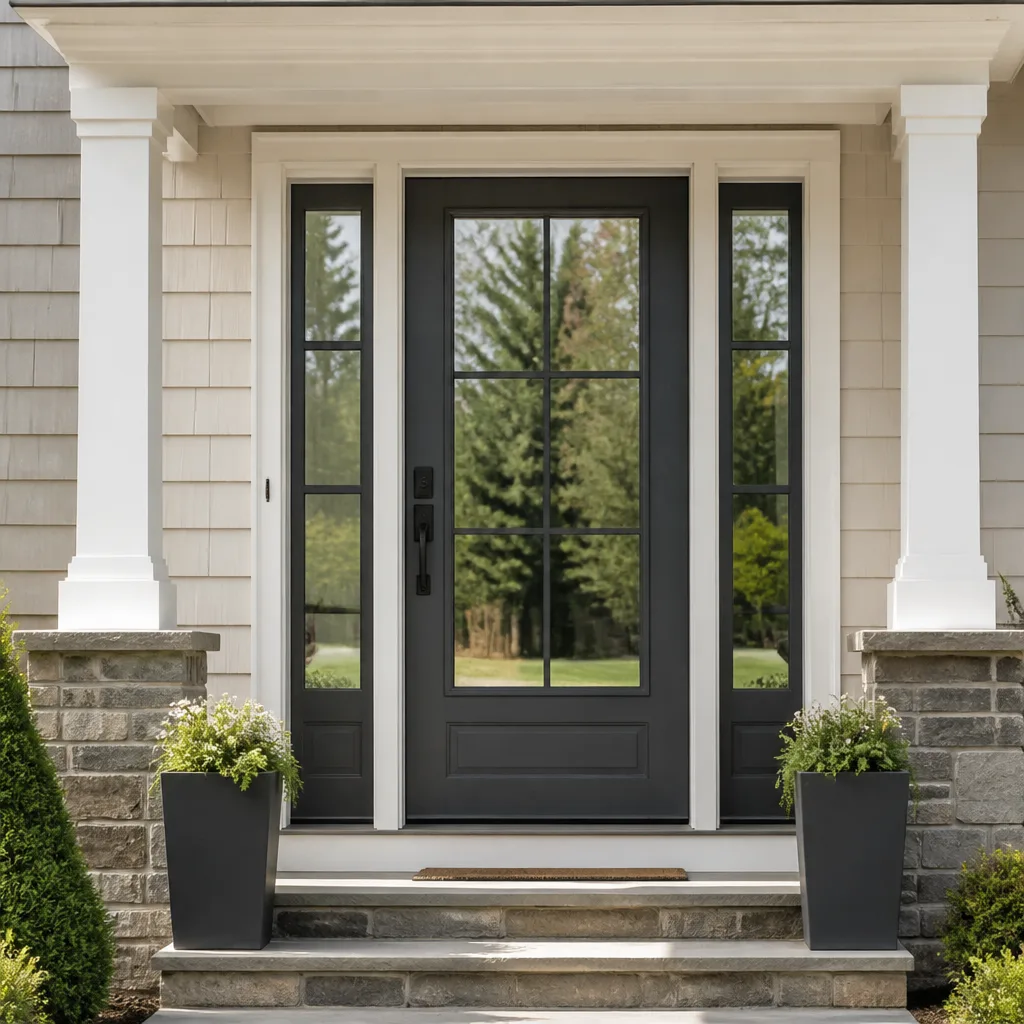
- Binding or sagging on in-swing CGI French doors. Wellington homes settle, and door openings shift with the wet-dry cycle of our soil. A CGI French door that worked fine for a decade can start dragging on the threshold or failing to latch after a few wet summers. The cause is almost always frame racking or worn hinges, not a defective panel. We re-square the frame, shim the hinges properly, and reset the door so it closes with one finger. If the panel itself is out of true, we replace it, but half the time the door is fine and the opening was the problem.
- Water intrusion around custom-shaped CGI windows. Radius tops, trapezoids, and oversized picture windows from CGI are beautiful until the flashing fails. Wellington gets fifty-plus inches of rain most years, and a custom shape channeled into a roof line or stucco reveal is where we find the leaks. The fix is rarely the window; it’s the pan flashing and the sealant joint. We cut back the stucco, re-flash with stainless or galvanized metal, and tool a clean sealant joint that drains instead of dams. If the original installer mudded over the weep holes, that’s the whole story right there.
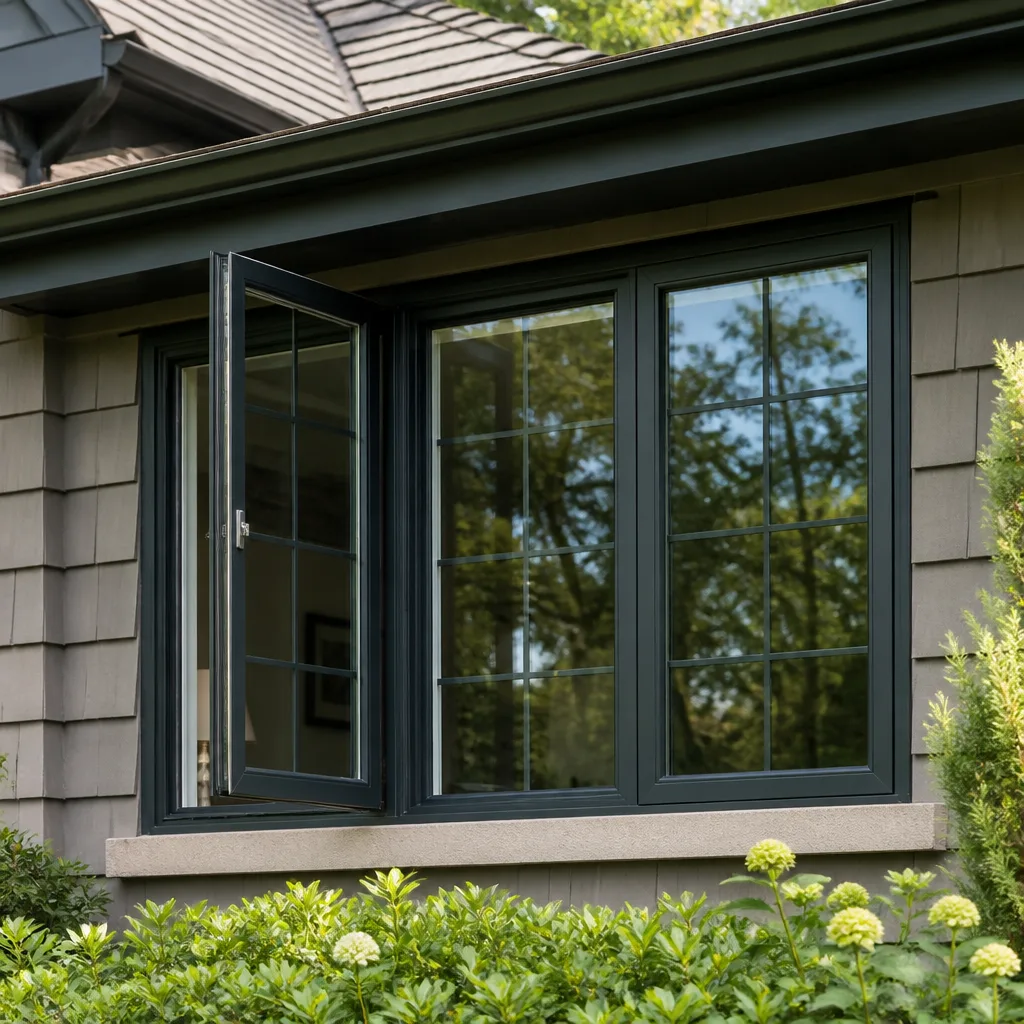
- Rusted or seized hardware on coastal-facing CGI casement windows. CGI casement operators hold up to impact cycles, but the hardware - cranks, hinges, lock points - takes the salt-and-humidity hit on any Wellington house within a few miles of the Everglades or the coast. We replace worn operators with OEM hardware where CGI still supports the line, and use a quality aftermarket equivalent when the line is discontinued. The decision is always on the quote, in writing, so you know exactly what you’re paying for.
- Failed glazing bead or gasket on older CGI single-hung windows. The vinyl or rubber glazing bead that holds the glass in a single-hung sash breaks down over time. Once it shrinks or cracks, the glass rattles, air leaks, and water gets behind the sash. We pull the sash, replace the glazing bead with the correct profile for the series, and reset the glass. It’s a smaller job than most homeowners expect, but it has to be done by someone who knows CGI’s profiles or the new bead won’t seat.
Our CGI Custom Windows & Doors Process
We don’t wing it on a CGI job, and we don’t send a salesperson to “take a look.” You get a technician who measures, diagnoses, and quotes on paper. Here’s how a typical custom windows and doors job goes with us.
- 1
Call and talk to a person. A live person answers at (561) 349-4826, day or night. Tell us what the window or door is doing. We’ll ask a few questions about the unit’s age, the CGI line if you know it, and what you’re seeing. Then we schedule a measurement visit.
- 2
On-site diagnosis and measurements. A background-checked, uniformed tech comes out and measures every opening twice. We check plumb, level, and square, and we look at what’s failing-seal, hardware, frame, or glass. We don’t measure once and hope.
- 3
Written quote, side by side. If we’re replacing or building custom, we quote the CGI-equivalent line next to other manufacturer lines we carry - Andersen, Pella, PGT, or Marvin - on paper, with the price and warranty for each. If it’s a repair, you see the OEM vs. quality aftermarket parts decision in writing.
- 4
Parts ordered or glass cut. We order OEM where the line is supported. Where it isn’t, we source the right aftermarket equivalent and tell you before we order. Custom shapes and oversized panels get cut to the opening’s exact dimensions, not force-fit into a stock size.
- 5
Installation and cleanup. We set the unit, square it, seal it, and test it. The opening gets checked for plumb and level before the trim goes back on. We register both manufacturer warranty layers in writing before the truck leaves the driveway-that’s the Keystone Standard.
- 6
Done right, guaranteed. Every CGI job is covered by our Done Right Promise. If something isn’t right, we make it right, no paperwork fights and no arguing. That’s the deal, and it’s in writing.
What CGI Custom Windows & Doors Costs in Wellington
CGI work is priced by the opening, the series, and the complexity of the shape. Straight replacements near stock sizes cost less than radius tops and oversized panels. Repair work is usually the most affordable path when the frame is still true.
| Service | Price Range in Wellington |
|---|---|
| CGI insulated glass replacement (per lite) | $325 - $650 |
| CGI hardware repair (crank, hinge, lock point) | $140 - $380 |
| Custom-shaped CGI window (radius top, trapezoid) | $900 - $2,200 per unit |
| CGI French door re-square and reset | $350 - $800 |
| Full CGI door replacement (entry or French) | $2,800 - $6,500 |
What moves the price: the series you’re matching, the size of the lite, whether the frame is salvageable, and how much custom cutting is involved. We quote fixed prices with no change orders. Call (561) 349-4826 for an exact number - the estimate is free.
Why Wellington Homeowners Call TruePane Windows & Doors for CGI Work
Dale Kessler grew up in Wellington’s Paddock Park neighborhood, watching half the houses his father drove past leak through aluminum jalousie windows every time a storm rolled in off the Everglades. That bothered him enough to make it his life’s work. He’s been measuring, setting, and sealing windows and doors in Palm Beach County for going on three decades, and the work he’s built a name on is impact-rated installation - the kind where the unit performs the same in year ten as it did on day one.
We’re not the cheapest bid in Wellington, and we won’t pretend to be. What we offer is the last call you should need to make on a CGI window or door: background-checked techs who know CGI’s lines and failure patterns, upfront pricing with no surprise line items, and a Done Right Promise in writing. If your CGI line is discontinued and replacement is the better move, we quote Andersen, Pella, and PGT side by side on paper so you can decide with your eyes open. If it’s not right on the paperwork, it won’t be right on the wall.
FAQs
Yes, we do. If the unit is under warranty, we’ll help you work through the manufacturer claim and install the replacement properly. The original installer matters less than the quality of the work on the replacement, and we register both warranty layers in writing before we leave.
Sometimes, yes. We can source glass and hardware for many older CGI lines, and when OEM parts are gone, we’ll quote a quality aftermarket equivalent and tell you plainly what you’re getting. We never substitute parts without saying so first.
If the frame is square, the sash is intact, and the failure is glass or hardware, repair usually makes sense and costs less. If the frame is out of true or the unit is twenty-plus years old, replacement is often the better money. We’ll tell you which way we’d go, with numbers to back it up.
Typical turnaround runs one to three weeks from measurement to install, depending on the custom shape and parts availability. Custom glass and non-stock shapes take longer than a straight replacement. We’ll give you a real date in writing at the quote, and we’ll be there when we say. Call (561) 349-4826 for a free estimate.
Written by Dale Kessler, Owner, TruePane Windows & Doors at TruePane Windows & Doors, serving Wellington and nearby areas.
Six Reasons Homeowners Choose TruePane Windows & Doors
Impact systems engineered to design pressures up to +/-100, matched to your wind zone - your openings hold when the storm arrives.
Low-E insulated impact glass from our manufacturer lines commonly cuts monthly cooling bills 20-30%.
Laminated impact glass shuts out up to 40% of outside noise - traffic, neighbors, weather.
Monitoring services run $30-90 a month. Laminated impact glass resists forced entry around the clock, with no subscription.
Florida homeowners average around 25% savings on the windstorm portion of their policy after protecting every opening - some homes qualify for more.
A full impact package upgrades curb appeal, buyer confidence and appraised value in one project.