
Free in-home measure and quote - PGT, CGI and CWS impact lines compared on your actual openings, style by style
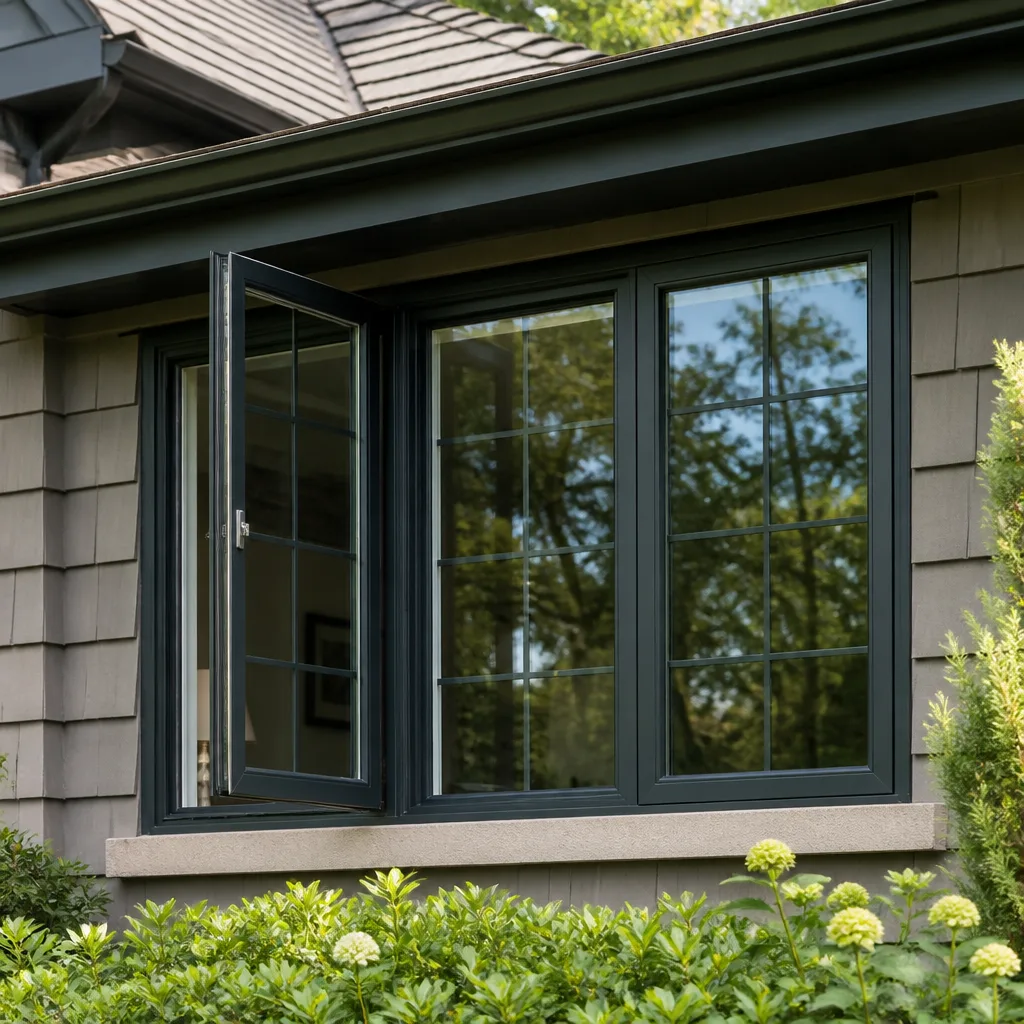
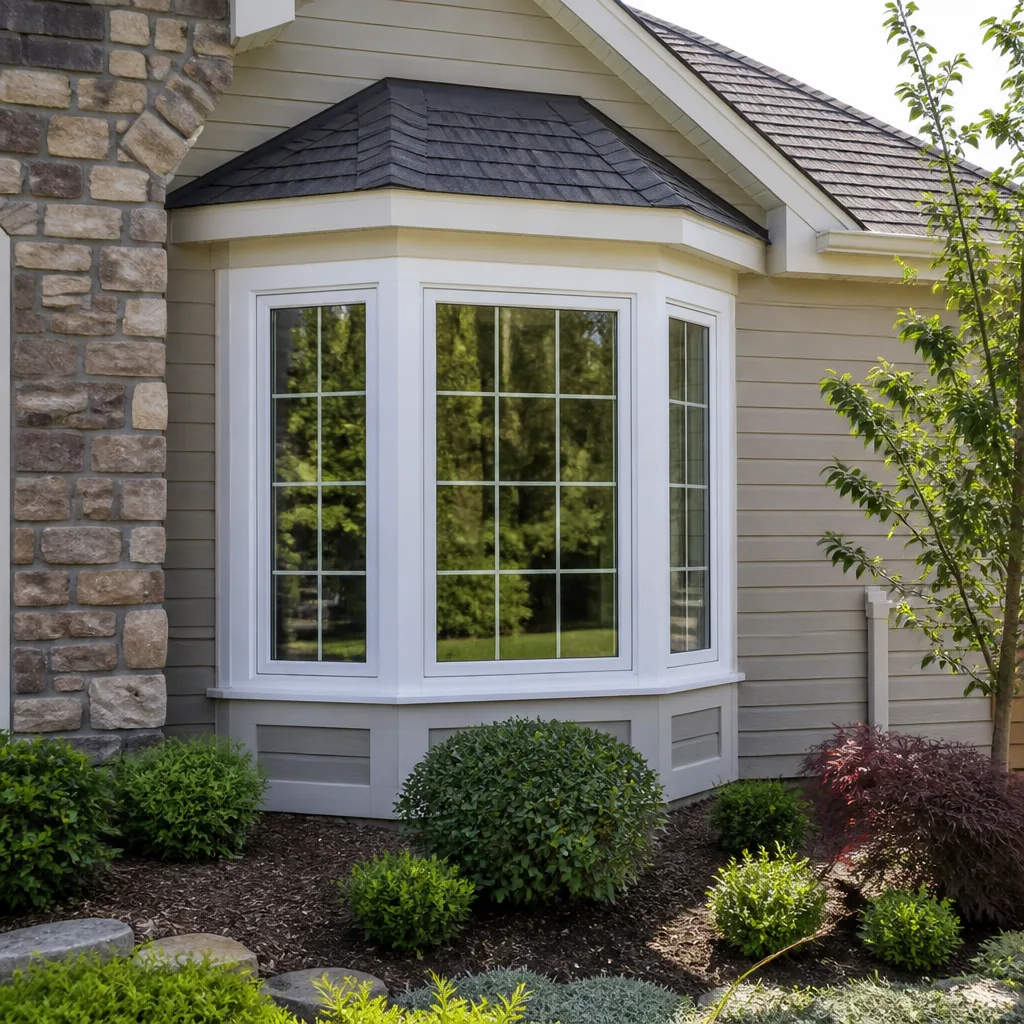
Sliding glass doors
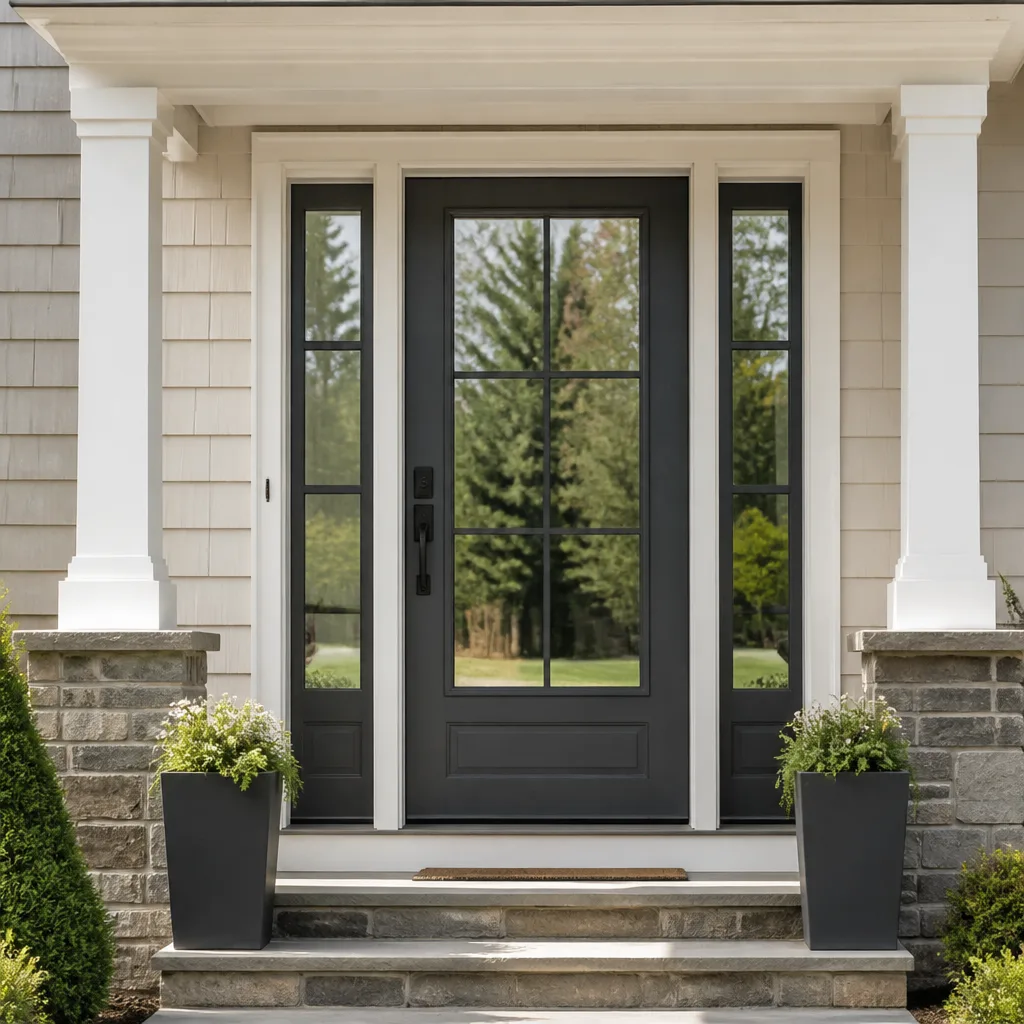
Impact garage doorsPGTCGI
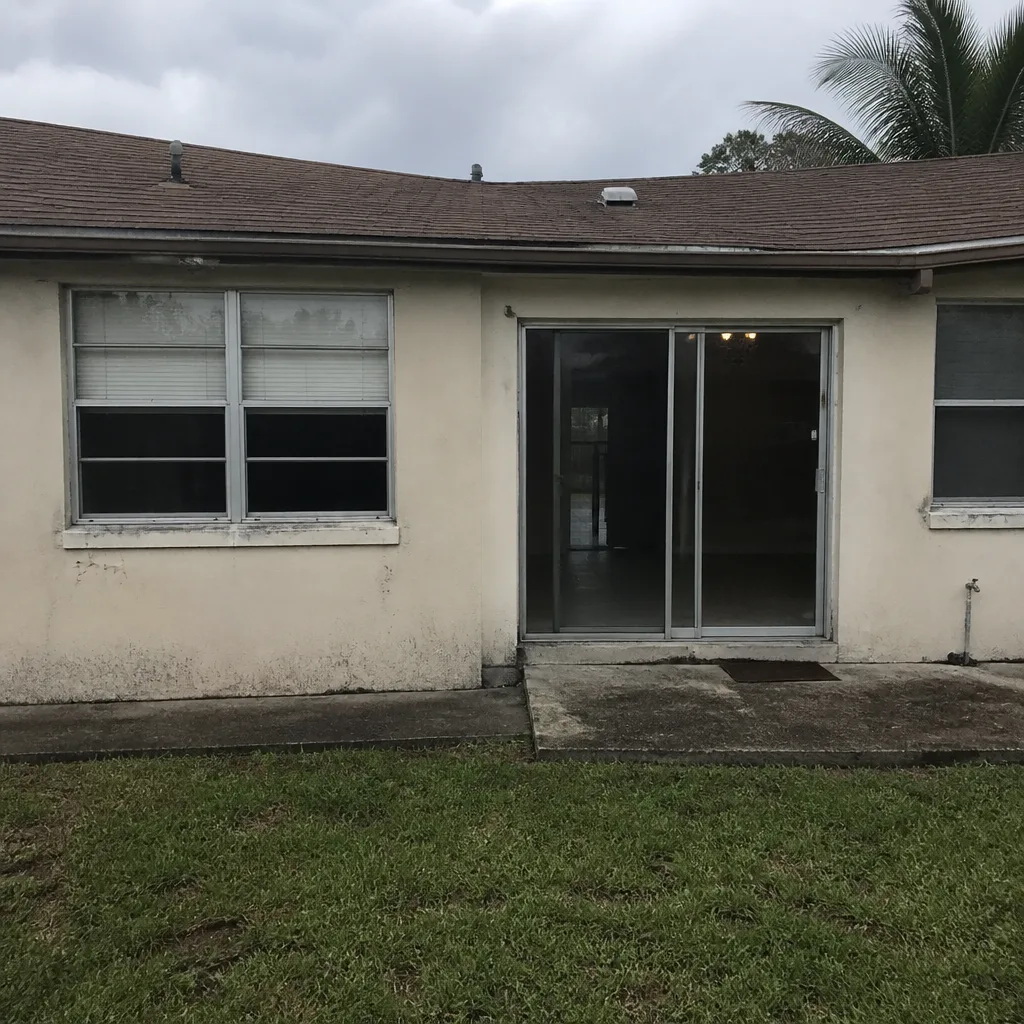 Before
 After
After Before
 After
After Before
 After
AfterCWS Window Installation: The Wellington Owner’s Guide
We stock and install CWS-compatible window parts for Wellington homeowners, with most replacement jobs running $180-$490 per window depending on the hardware and glass involved. If you call by mid-morning, we can usually have a technician out the same day or next morning to assess what failed and get the right part ordered or pulled from the truck. Most owners discover the problem the way you probably did: a crank that suddenly spins without moving the sash, a latch that won’t catch, or a window that drops an inch when you release it. Those small failures matter in Wellington’s humidity, because a window that won’t seal tight is a window that’s quietly letting conditioned air out and damp air in.
TruePane Windows & Doors is an independent service provider. We’re not affiliated with CWS, which works in your favor: we match parts to the unit in your wall, not to a brand loyalty program. We carry CWS-compatible hardware and replace broken glass with specification-matched units, whether the window was installed last year or twenty years ago.
Which CWS Models This Applies To
CWS windows show up across Wellington in a few common configurations: casement and awning windows with roto-gear cranks, single- and double-hung windows with block-and-tackle balances, and horizontal sliders with roller assemblies. The part you need depends on the series, and the series isn’t always printed where you’d think. Look for a small white or silver label on the inside of the frame, usually on the left-hand jamb near the top corner. If that label is worn or painted over, we measure the sash and identify the hardware by profile.
The compatibility gotcha with CWS is the balance system. CWS used different weight ratings on hung windows depending on the glass package, so a balance that fits a single-pane unit may not carry a double-glazed sash. A homeowner with a big-box replacement balance can install it and have the window still not stay up, or worse, have the tension wrong and send the sash slamming. That’s the difference between a part that fits the channel and a part that fits the window. On the OEM-versus-aftermarket question: for hardware like cranks, locks, and latches, quality aftermarket parts from the same regional suppliers we use are functionally identical and cost 30-40% less than chasing OEM packaging. For balances and hinges, we recommend OEM or exact-match equivalents, because tolerances there are tighter and a slightly-off spring curve shows up as a window that never closes quite right.
Signs Your CWS Window Installation Is Failing
- The crank spins but the sash doesn’t move. The gear teeth inside the operator have stripped. In Wellington’s coastal air, the internal grease eventually breaks down and the metal wears against itself. The operator needs replacement; the sash is usually fine.
- The window won’t stay open. On a hung window, that’s a failed balance. We see this most often on windows that face the afternoon sun, where heat has fatigued the spring or the block-and-tackle cord has frayed through.
- The latch won’t catch or the lock won’t throw. The sash has settled or the keeper is misaligned. A window that’s been forced shut against a binding track will eventually damage the latch arm.
- You feel air movement around the closed sash. The weatherstripping has flattened or the sash has shifted out of square. In Wellington’s rainy season, that gap also lets in water and can rot a wooden frame from the inside out.
- The sash is hard to slide or cocks to one side. Roller assemblies on sliders wear flat on one side. Once a roller is flat, the sash drags metal on metal and the track gets scored, which then ruins the next set of rollers if you don’t address the track.
Replacement Cost & What’s Included
Installed CWS window part replacement in Wellington typically runs from $180 to $490 per window. A basic operator or latch swap sits at the low end; a full balance replacement with dual springs and a service call to square the sash lands mid-range; replacing a roller set with a damaged track repair on a larger slider pushes toward the top. The range comes down to how much salvageable hardware is left and whether the sash needs re-trimming to sit square.
Every quote is parts and labor on one line, written out before we start, so you see exactly what you’re paying for. We don’t hand you a surprise line item when we’re done. The part carries its manufacturer warranty, and our labor is covered by the Done Right Promise: if the window doesn’t operate correctly after we leave, we come back and make it right. No paperwork fight, no fine print that covers neither.
DIY or Call Us?
You can safely do two things on your own: clean the track with a dry cloth and check the keeper screws for looseness. That’s the extent of it. Removing a CWS sash with a balance system under tension isn’t in the same category. When a balance lets go, the spring unloads fast, and a metal cassette to the hand or a falling sash to the window frame are real outcomes we’d rather you not experience. The same goes for replacing operators: the arm is under load, and getting the gear alignment right without a jig usually ends with a stripped part and a second trip to the store.
If the window is misbehaving and you’d rather not guess, call (561) 349-4826. We’ll tell you over the phone whether it sounds like a simple fix and what our technician will check on site. The estimate is free.
FAQs
Most CWS hardware lasts 12-18 years in Wellington, though windows facing direct afternoon sun or the prevailing western rain tend to wear out balances and weatherstripping closer to the 10-year mark. Operators and latches can go earlier when a window is forced, dropped, or never kept clean at the track.
In most cases, no. A stripped operator gear, a frayed balance cord, or a flat roller isn’t repairable in any lasting way. We’ll sometimes re-lubricate and re-time an operator that’s stiff but not stripped, but if there’s metal wear, replacing the assembly costs less than a service call to band-aid it twice. Call (561) 349-4826 and we’ll give you an honest read before we schedule anything.
Most single-window part replacements run 45-90 minutes from start to cleanup, assuming the sash doesn’t need to be re-squared. A full house of hardware swaps or a window that requires glass replacement will be quoted with a schedule before we start, so you’ll know the day’s plan on paper.
We stock common CWS operators, latches, keeper sets, and roller assemblies, plus balance system components for the most frequent window sizes we see across Wellington. If your part isn’t on the truck, we order it same day from our local suppliers and return to finish, usually within a couple of business days. We also carry parts for Andersen, and Pella units when a home has a mix of brands.
Dale Kessler grew up in Paddock Park, and the windows in those 1970s houses taught him most of what he’d eventually need to know about failed hardware and Florida weather. When we quote a CWS window repair in Wellington, we’re not reading a manual cold. We’re drawing on three decades of Palm Beach County installs, the kind of work where the unit has to perform the same in year ten as it did on day one. If it’s not right on the paperwork, it won’t be right on the wall.
If your CWS window is sticking, slipping, or leaking air, call (561) 349-4826 for a free estimate. We’ll be there when we say. Done right.
Written by Dale Kessler, Owner, TruePane Windows & Doors at TruePane Windows & Doors, serving Wellington and nearby areas.
Six Reasons Homeowners Choose TruePane Windows & Doors
Impact systems engineered to design pressures up to +/-100, matched to your wind zone - your openings hold when the storm arrives.
Low-E insulated impact glass from our manufacturer lines commonly cuts monthly cooling bills 20-30%.
Laminated impact glass shuts out up to 40% of outside noise - traffic, neighbors, weather.
Monitoring services run $30-90 a month. Laminated impact glass resists forced entry around the clock, with no subscription.
Florida homeowners average around 25% savings on the windstorm portion of their policy after protecting every opening - some homes qualify for more.
A full impact package upgrades curb appeal, buyer confidence and appraised value in one project.