
Free in-home measure and quote - PGT, CGI and CWS impact lines compared on your actual openings, style by style
Sliding glass doors
Impact garage doorsPGTCGI
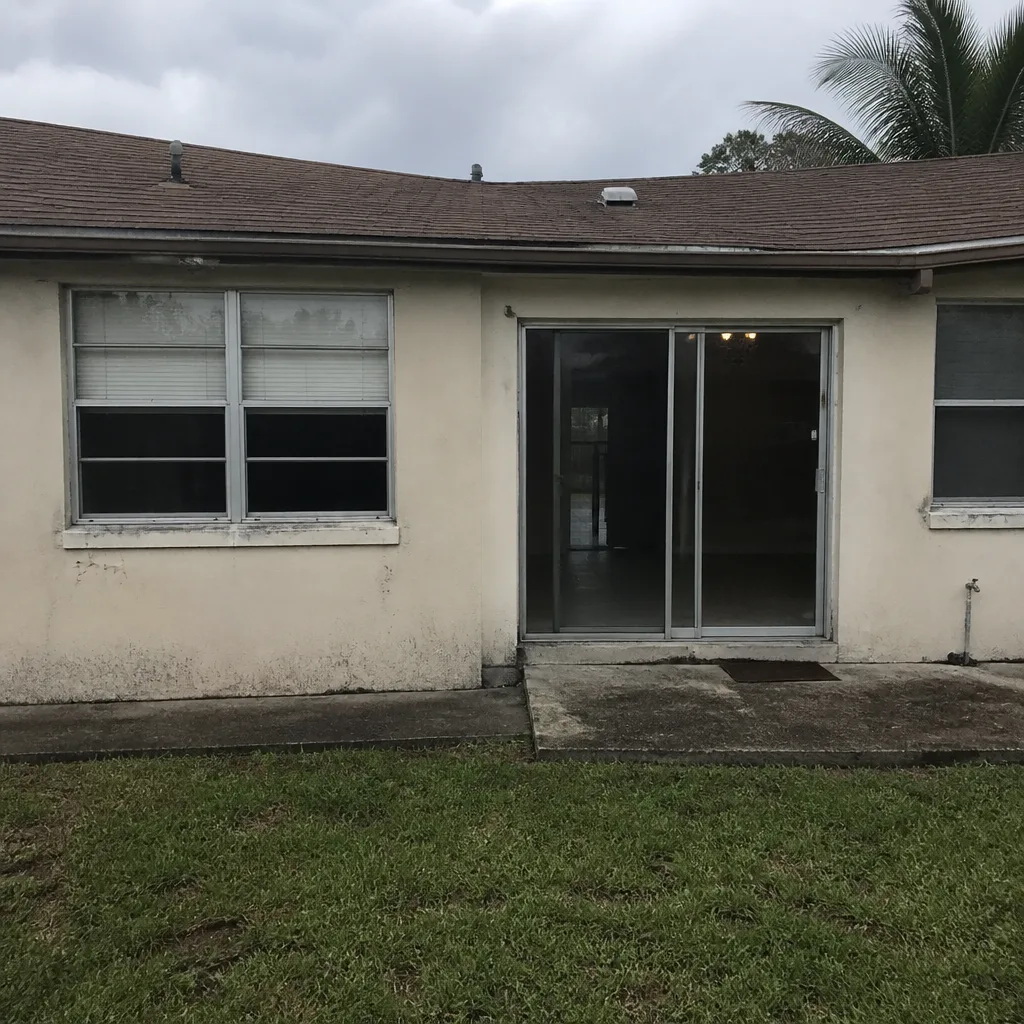 Before
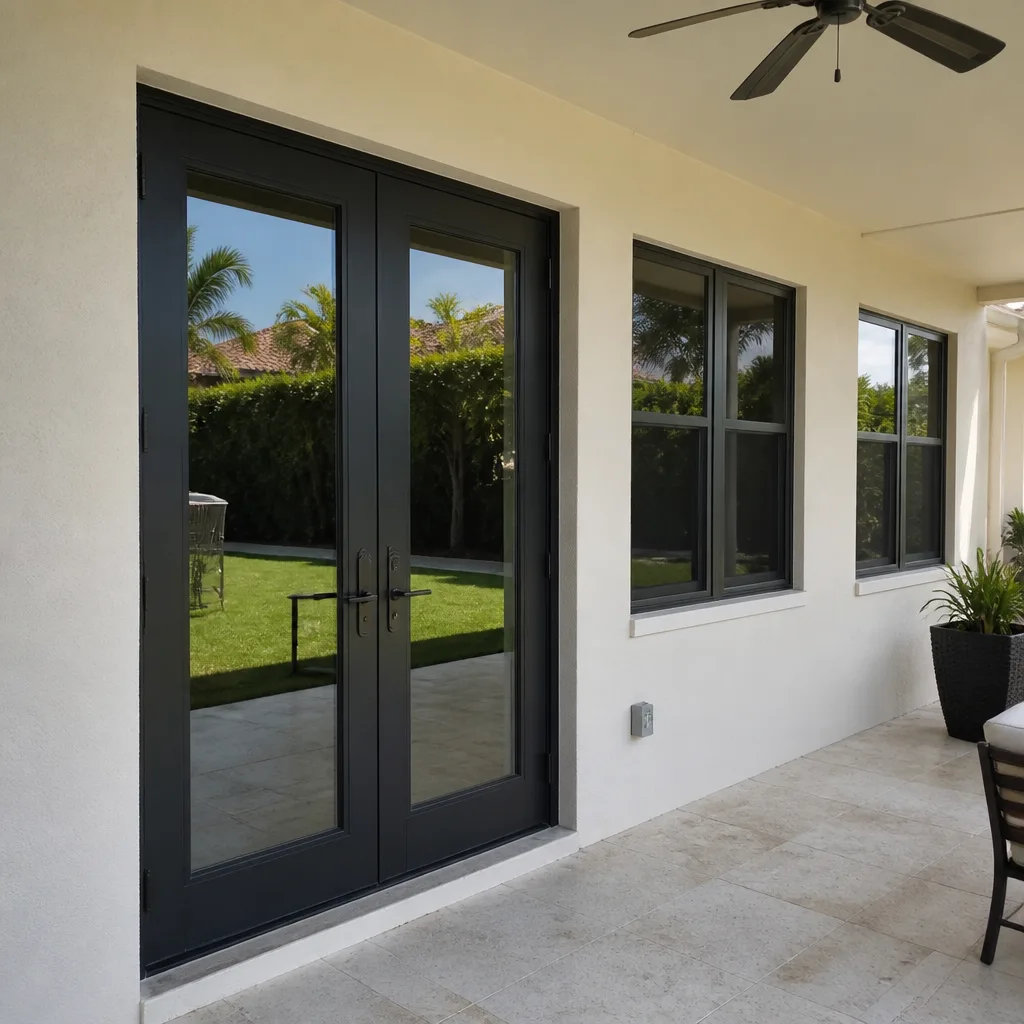 After
After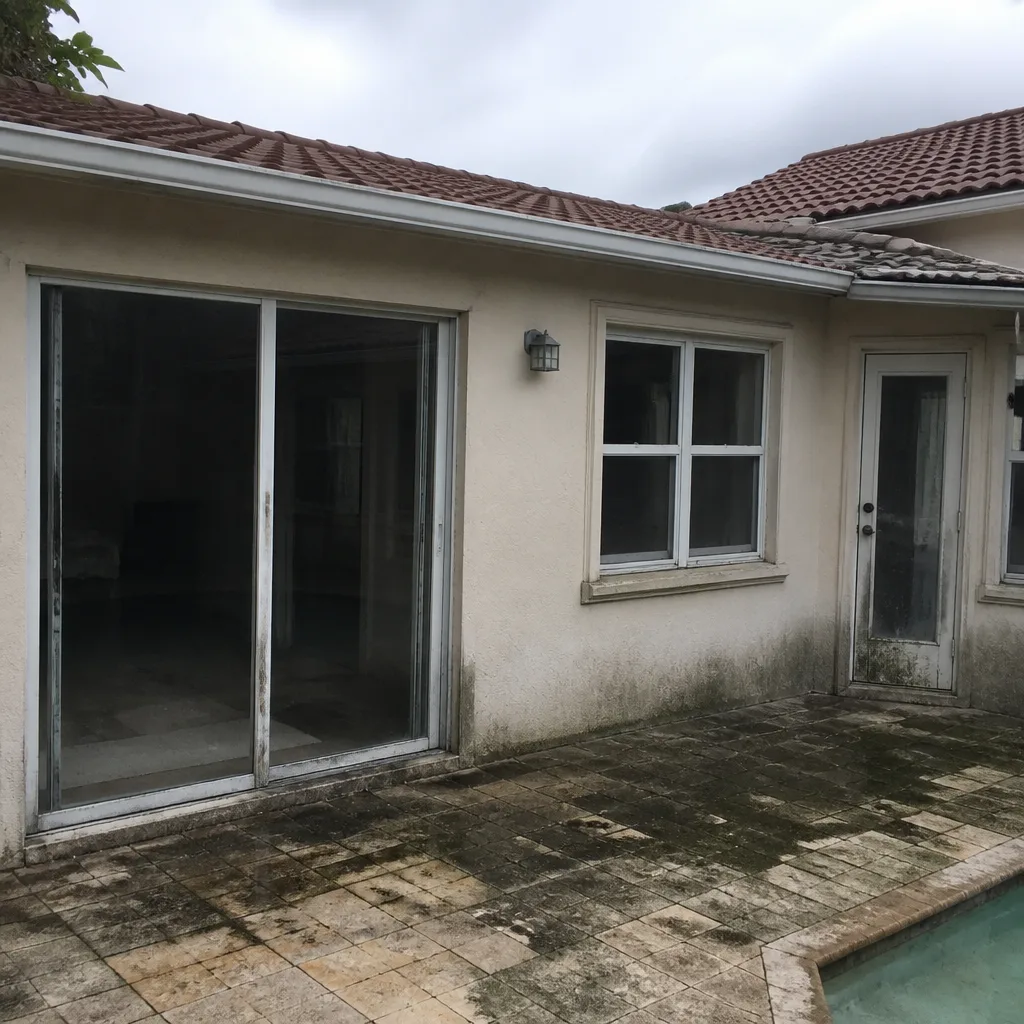 Before
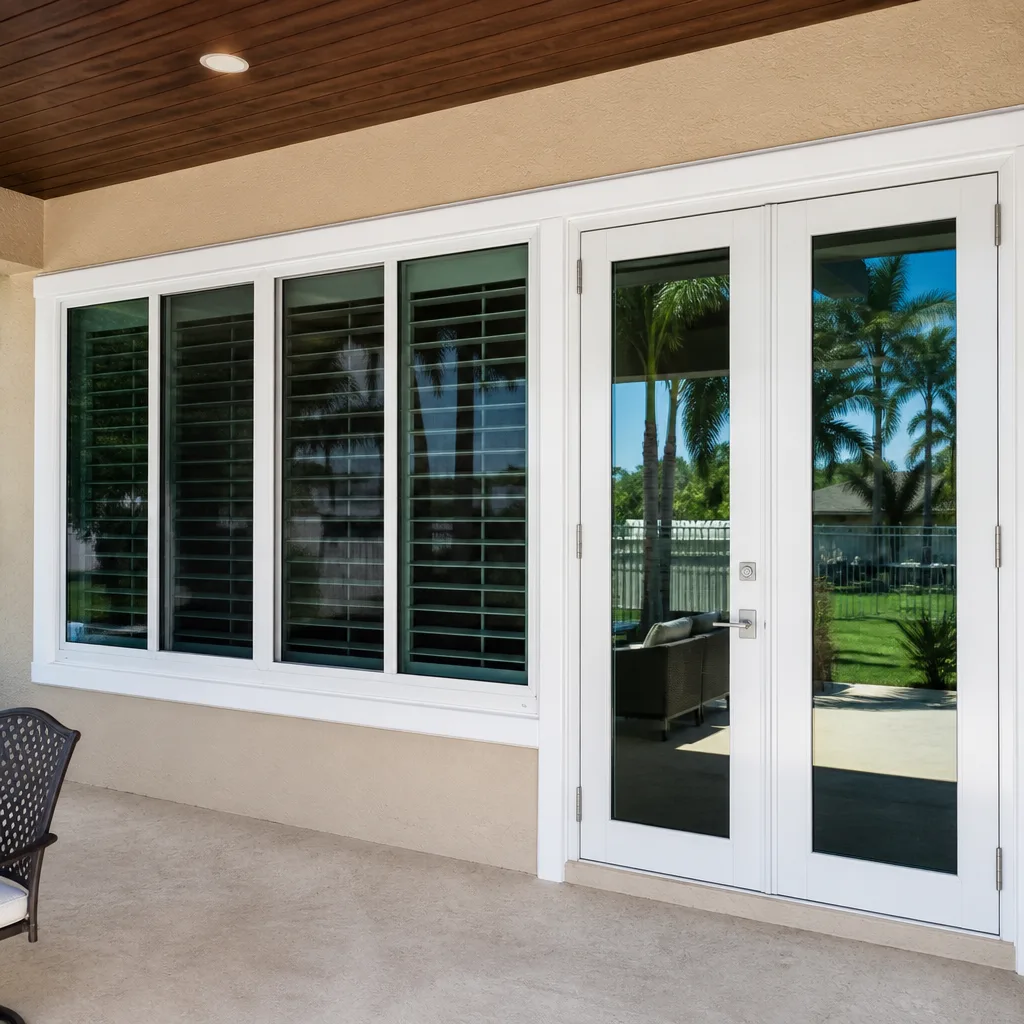 After
After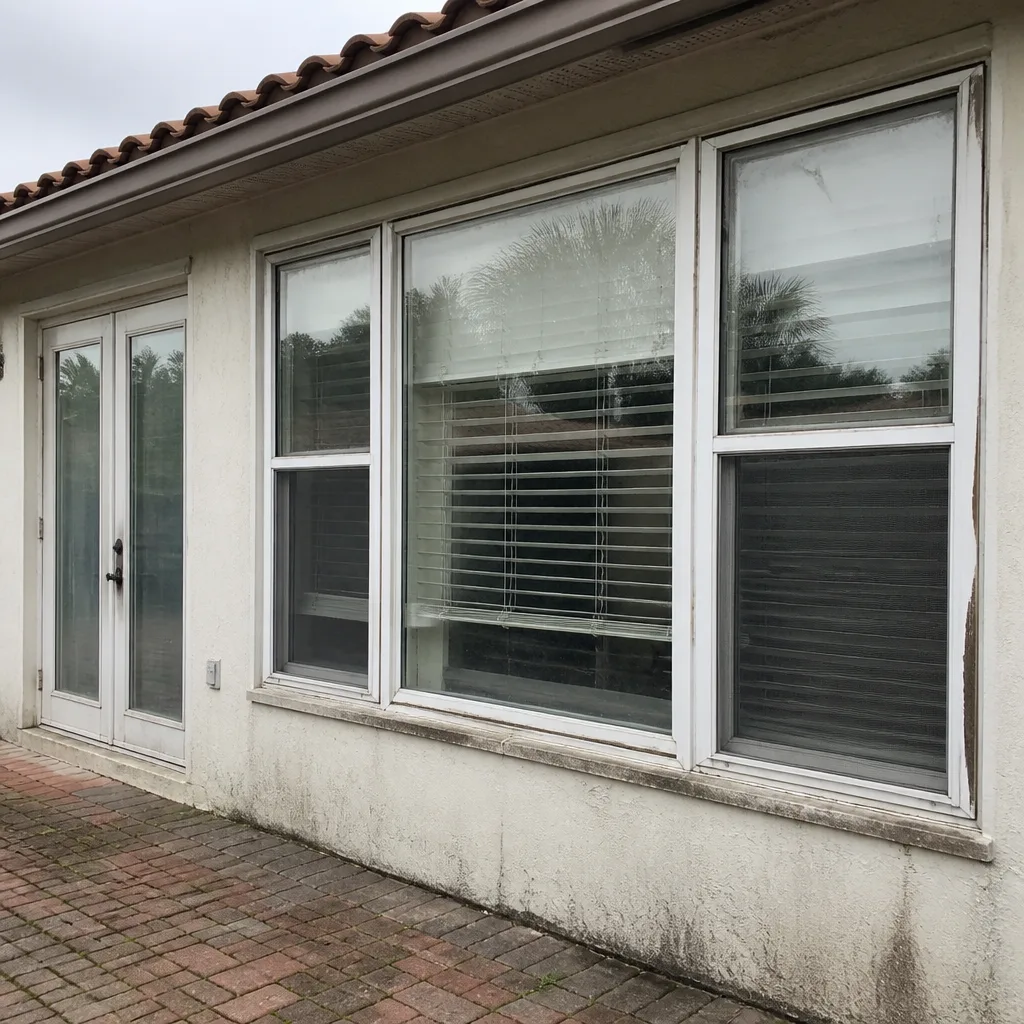 Before
 After
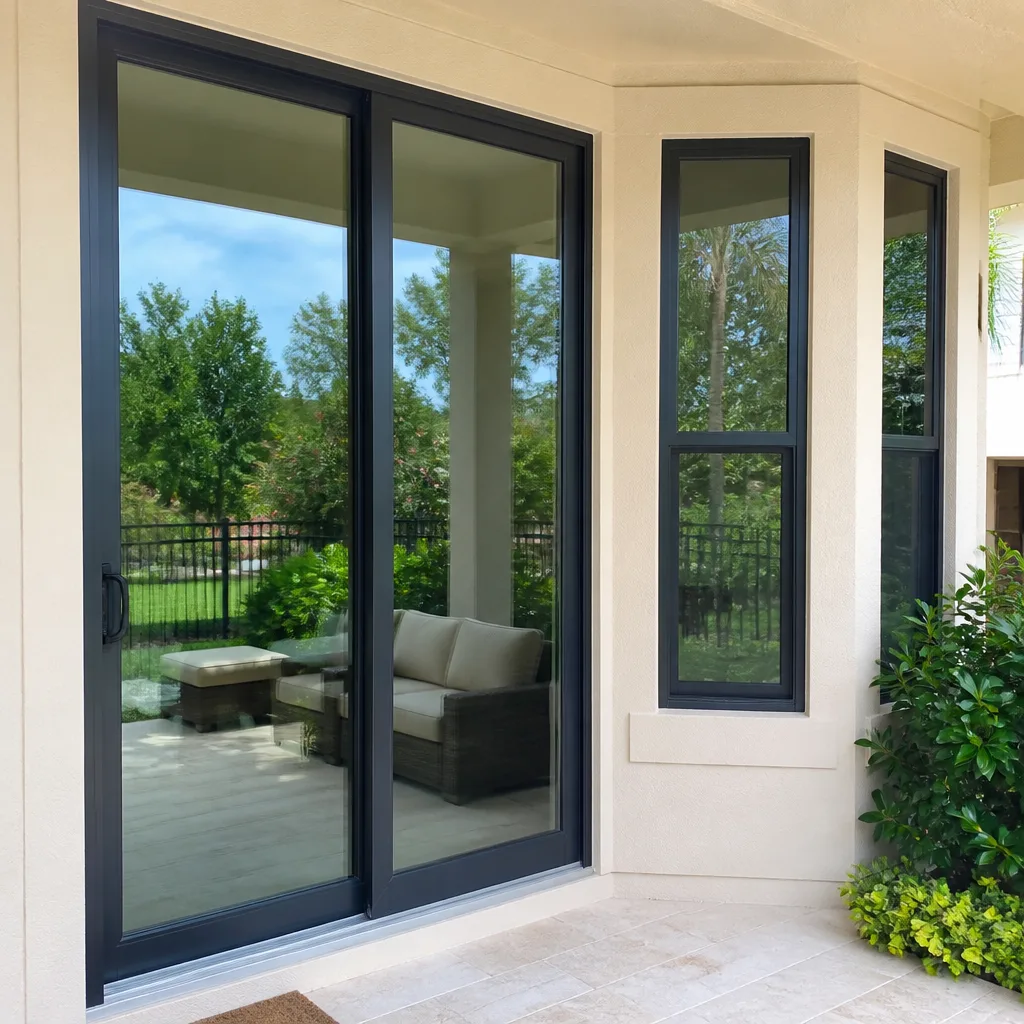
AfterPella Sliding & Patio Doors: The Wellington Owner’s Guide
We stock and install Pella-compatible sliding door rollers, handles, locks, weatherstripping, and glass panels for Wellington homeowners, with most parts replaced same-day. A full parts-and-labor job on a Pella slider in Wellington typically runs $140 to $520 depending on which component failed and whether we’re matching OEM or a quality aftermarket equivalent. Most owners discover a failed part the same way: the door starts dragging like a cinder block across the track, the latch stops catching, or a fogged panel won’t clear. Dale Kessler grew up in Wellington’s Paddock Park neighborhood, and he’s seen how Florida humidity and daily sun take their toll on sliding door hardware faster than manufacturers’ brochures admit.
We’re an independent service provider, not affiliated with Pella Corporation. What we are is a local shop that keeps the most common Pella slider parts on the truck and knows which years and series lines have compatibility quirks you won’t find in a parts catalog.
Which Pella Models This Applies To
Pella’s sliding patio door lines in Wellington fall into three broad families: the Architect Series, the 450 Series, and the newer Lifestyle Series. Each uses different roller housing dimensions and latch geometries, and that’s where most generic “universal” parts go wrong. The Architect Series uses a heavier tandem steel roller rated for wood-panel doors that can weigh over 120 pounds. The 450 Series runs a slightly narrower roller that fits a vinyl track profile. The Lifestyle Series is the most commonly installed Pella slider in Wellington today, and its rollers and locks are the easiest to match correctly.
To identify what you have without pulling the door apart: look at the inside edge of the door panel near the lock stile for a laser-etched code or a silver sticker with a serial number. Most Pella units built after 2005 carry a model code that starts with a three-letter prefix. You can also measure the width of the bottom rail channel where the roller sits. If it’s 1-1/8 inches, you’re looking at a Lifestyle or 450 Series roller. If it’s 1-3/8 inches, it’s typically an Architect Series part. When we quote a repair, we confirm the roller width and wheel diameter on-site before we order or pull anything, because Pella has changed roller specs within the same series line across model years.
The OEM-versus-aftermarket decision matters for Pella specifically. Pella’s OEM rollers are well made but priced at a premium for what is, mechanically, a nylon wheel on a steel axle. We stock both. For most non-warranty repairs in Wellington, our techs recommend a high-quality aftermarket roller from a manufacturer we’ve used for years, one that carries a comparable lifespan at roughly 40% less than the Pella-branded part. If the door is still under Pella’s warranty, we’ll say so plain and tell you to file the claim before paying out of pocket.
Signs Your Pella Sliding & Patio Doors Is Failing
- The door drags or scrapes as you slide it. This is almost always the rollers. In Wellington, sand and fine grit work into the roller bearings, the nylon wheels flat-spot, and the door settles onto the track. You’ll hear a grumbling sound or feel a hitch mid-track.
- You lift the door to get it to move. When the rollers wear down enough, the door panel’s weight shifts to the bottom rail. Lifting to slide is the body compensating for a part that’s already gone. The fix is a roller replacement, and the longer it goes, the more the track wears down too.
- The latch won’t catch or sits loose in the strike plate. Wellington’s seasonal humidity swings make door frames move. A latch that worked in January and sits high in August is usually a frame settlement issue, but a latch that’s always loose is a worn spring inside the handle mechanism or a strike plate that’s backed out over years of use.
- Condensation between the glass panels. This is a failed insulated glass unit seal, and with Pella doors in a humid climate like Wellington’s, once the seal fails the fog won’t clear on its own. The panel needs to be measured and replaced, not the whole door.
- The door is hard to lock from the inside. If the handle turns but the hook or deadbolt doesn’t engage, the internal lock linkage has failed. On Pella Lifestyle doors, this is a known wear point after roughly 10-15 years of daily use.
Replacement Cost & What’s Included
In Wellington, a Pella sliding door roller replacement runs $140 to $280 for parts and labor, depending on whether it’s a single-roller swap or both rollers plus a track clean and adjustment. A latch and handle set typically lands between $120 and $240 installed. Weatherstripping replacement is the most budget-friendly job at $75 to $150, and it’s one we recommend before you assume the door itself has warped. A fogged or cracked insulated glass panel in a Pella slider starts around $420 and goes up from there based on the glass package, low-E coating, and whether impact-rated glass is required for your Wellington home’s wind zone.
Every TruePane quote is a fixed line-item price. We don’t write change orders on parts jobs, and we don’t leave a second appointment hanging. If the door was binding and we address the rollers only to find the track itself is too worn to hold a smooth glide, we say so on the spot, show you the wear, and give you a separate price before any further work happens. The labor carries our Done Right Promise: if the fix isn’t right, we make it right, no fine print.
DIY or Call Us?
Sliding door rollers and handles aren’t gas lines or garage door springs, but a few of these jobs go sideways fast. The door panel on a Pella Architect Series slider can weigh over 150 pounds. Getting it out of the frame without damaging the bottom rail or dropping it through the glass is the part DIY videos tend to skip. We’ve seen Wellington homeowners chip the corner of the panel or bend the track trying to muscle a door out by themselves, and that turns a $160 roller job into a $600 panel replacement.
What you can safely do: clean the track with a vacuum and a dry rag to confirm the rollers are the problem, and tighten visible handle screws with a hand screwdriver, not a drill. If the drag persists after a clean, or the latch won’t catch after tightening, the fix is past the visible surface. Call us at (561) 349-4826 and we’ll send a tech who carries the common Pella parts on the truck, so your door is back to sliding smooth in one visit.
FAQs
Plan on 8 to 12 years for Pella rollers in Wellington’s sand-and-humidity climate, less if the track isn’t kept clean. Beach-adjacent communities with more airborne salt see failures on the sooner end. If you’re at year ten and the door is starting to drag, it’s the rollers. Call (561) 349-4826 for an exact quote on what’s worn, and the estimate is free.
The roller assembly is a sealed cartridge, so repair means replacement. We swap the cartridge, clean the track, and adjust the ride height so the door glides square. On most Pella models, the swap takes under an hour. Call us and we’ll confirm your door’s series while you’re on the phone.
A roller replacement, latch swap, or weatherstripping job runs 45 minutes to two hours for most Pella sliders in Wellington. Glass panel replacement requires measuring and ordering the correct insulated unit, so that job is usually a week from order to install. We’ll tell you which timeline you’re on before we start.
We keep the most common Pella roller sizes, latch sets, and weatherstripping profiles on our service trucks, covering the Lifestyle, 450, and Architect Series. For less common parts, we source directly from our supplier network and install for a flat labor rate. We also stock compatible hardware for Andersen, and PGT sliding doors. Call (561) 349-4826 and we’ll confirm right over the phone what’s on hand for your model.
Written by Dale Kessler, Owner, TruePane Windows & Doors, serving Wellington and nearby areas.
Six Reasons Homeowners Choose TruePane Windows & Doors
Impact systems engineered to design pressures up to +/-100, matched to your wind zone - your openings hold when the storm arrives.
Low-E insulated impact glass from our manufacturer lines commonly cuts monthly cooling bills 20-30%.
Laminated impact glass shuts out up to 40% of outside noise - traffic, neighbors, weather.
Monitoring services run $30-90 a month. Laminated impact glass resists forced entry around the clock, with no subscription.
Florida homeowners average around 25% savings on the windstorm portion of their policy after protecting every opening - some homes qualify for more.
A full impact package upgrades curb appeal, buyer confidence and appraised value in one project.